At a Glance
  • Duration18 Days
  • DestinationNepal
  • Difficulty Level Strenuous
  • Max. AltitudeLarkya La Pass (5,106 m/16,752 ft)
  • Group Size2-16
  • Trip StyleTrekking
  • StartsKathmandu
  • EndsKathmandu
  • Best TimeMarch-May & Sept-Nov
Highlights
  • Step into a secluded Manaslu Circuit Tsum Valley Trek, which is known as a "Beyul," a sacred hidden valley that remained largely closed to outsiders until 2007.
  • Immerse yourself in the authentic lifestyle of the Tsumbos people. The language, dress, and traditions of these tribes have been preserved for centuries.
  • Visit the historic Mu Gompa (the valley's highest monastery at 3,700m) and Rachen Gompa, a serene nunnery housing both male and female monastics.
  • Explore the legendary Piren Phu (Pigeon Cave), where the Tibetan saint Milarepa once meditated. This place features ancient murals, stone-carved scripts, and Buddhist relics.
  • Experience a profound "no-kill" zone where hunting and animal slaughter are strictly prohibited, fostering a peaceful atmosphere and a primarily plant-based local diet.
  • Witness stunning panoramas of the Ganesh Himal range, Mt. Manaslu (8,163m), Himalchuli, and Shringi Himal from various points along the trail.
  • Traverse through lush rhododendron and pine forests, cross dramatic suspension bridges over the Budhi Gandaki River, and admire countless thundering waterfalls.
  • Spot elusive species in the Manaslu Conservation Area, including the snow leopard, Himalayan blue sheep (Thar), musk deer, and the vibrant Lophophorus bird.
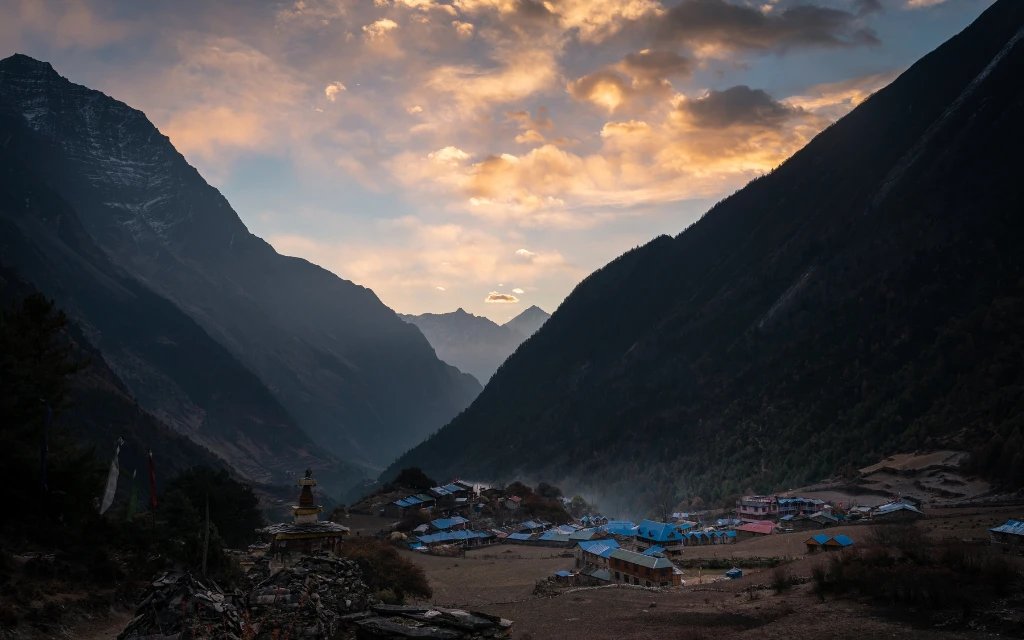
  • Stay in remote villages like Chhokangparo and Chumling, characterized by traditional houses built from local stone and wood with unique slate roofs.
  • Conquer the dramatic Larkya La Pass (5,160m), offering some of the most spectacular views of glaciers, icefalls, and peaks like Annapurna II.

The Manaslu Circuit Tsum Valley Trek is a legendary 18 to 22 day adventure that takes you into the heart of northern Nepal’s most secluded wilderness. This journey is more than just a hike; it is a deep immersion into a world where time has stood still, circling Mount Manaslu, the eighth-highest peak on Earth at 8,163 meters.

What makes this adventure truly extraordinary is the inclusion of the secluded Tsum Valley, famously known as the "Hidden Valley of Happiness". Having remained largely isolated from the outside world for centuries and only opening to trekkers in 2007, it serves as a living museum of ancient Tibetan Buddhist culture. You will walk along the northern Tibetan border, passing through traditional stone-and-wood villages where the Tsumbo people continue to preserve centuries-old spiritual traditions.

The trail offers a stunning contrast of landscapes. You will begin in lush subtropical forests and terraced farmlands, navigate through vibrant rhododendron and pine groves, and cross dramatic suspension bridges over the thundering Budhi Gandaki River. As you ascend, the greenery gives way to rugged alpine terrain, massive glaciers, and turquoise high-altitude lakes.

The ultimate crowning achievement of this trek is conquering the Larkya La Pass (5,160m). Reaching the summit of this pass provides a 360-degree panorama of towering peaks. including Ganesh Himal, Himlung Himal, and Annapurna II, offering a sense of triumph that few other trails can match.

Because this is a restricted area, the trek remains uncrowded and pristine, maintaining an "off-the-beaten-path" feel that is rare in modern tourism. To protect this delicate cultural and natural ecosystem, the government requires special permits and the company of a licensed guide. This ensures that your journey is as safe and respectful as it is unforgettable. For those seeking an authentic Himalayan experience that blends physical challenge with profound spiritual depth, this is the definitive trek of a lifetime.

Outline Itinerary of Manaslu Circuit Tsum Valley Trek

The Manaslu Circuit and Tsum Valley Trek is far more than a simple hike; it is a legendary 18 to 22 day into one of the most secluded corners of the Himalayas. This journey circles Mount Manaslu, the eighth-highest peak on Earth (8,163m). This offers you a rare blend of wild natural beauty and profound spiritual depth.

What sets this trek apart is the inclusion of the secluded Tsum Valley, famously known as the "Hidden Valley of Happiness". The valley serves as a living museum of ancient Tibetan Buddhist culture. Here, non-violence is a way of life, and centuries-old monasteries like Mu Gompa stand as silent sentinels of faith. From lush subtropical forests and thundering waterfalls to the high-altitude challenge of the Larkya La Pass (5,160m), every step on this trail reveals a world that time forgot.

This itinerary is designed to ensure proper acclimatization while maximizing your cultural and scenic experience.

Day

Route

Max Altitude

Highlights & Experience

1

Kathmandu to Machha Khola

930 m

A scenic, bumpy drive through lush hills and along riverbanks.

2

Machha Khola to Jagat

1,340 m

Trekking through waterfalls and crossing wobbly suspension bridges.

3

Jagat to Lokpa

2,240 m

Entering the restricted area; the gateway to the hidden Tsum Valley.

4

Lokpa to Chumling

2,386 m

Views of the Ganesh Himal range begin to unfold.

5

Chumling to Chhokangparo

3,031 m

Entering the upper Tsum Valley; stone houses and wide yak pastures.

6

Chhokangparo to Nile

3,361 m

Passing the sacred Milarepa’s Cave (Piren Phu).

7

Acclimatization: Mu Gompa

3,700 m

Visiting the highest monastery in Tsum Valley near the Tibet border.

8

Nile to Chumling

2,386 m

Descending back through the valley with new perspectives on the peaks.

9

Chumling to Deng

1,860 m

Rejoining the main Manaslu Circuit trail along the Budhi Gandaki River.

10

Deng to Namrung

2,630 m

The culture shifts to a distinct Tibetan character.

11

Namrung to Shyala

3,500 m

Panoramic views of Mt. Manaslu, Himalchuli, and Peak 29.

12

Shyala to Sama Gaun

3,530 m

Entering the principal village of the Nubri people beneath Mt. Manaslu.

13

Acclimatization: Base Camp

4,800 m

A steep hike to Manaslu Base Camp or the glacial Birendra Lake.

14

Sama Gaun to Samdo

3,865 m

A short walk to the last inhabited village before the high pass.

15

Samdo to Dharmasala

4,460 m

Also known as Larkya Phedi; the final staging point before the pass.

16

Dharmasala to Bimthang

5,160 m

Conquering Larkya La Pass; stunning views of Annapurna II and Himlung Himal.

17

Bimthang to Dharapani

1,860 m

Descending through ancient rhododendron and pine forests.

18

Dharapani to Kathmandu

1,300 m

A scenic drive via Besisahar, marking the end of your adventure.

Note: This itinerary typically spans 17 to 21 days depending on the specific side trips (such as visiting the Tibetan border or Ganesh Himal Base Camp) or your personal pace.

Is the Manaslu Circuit Tsum Valley Trek Right for You?

The Manaslu Circuit and Tsum Valley Trek are widely classified as strenuous adventures. Unlike more commercialized routes, this is a remote odyssey into the "Hidden Valley of Happiness" and around the world's eighth-highest peak, requiring a blend of physical grit and mental resilience. You will cover roughly 177 to 200 kilometers of rugged Himalayan terrain over the course of 18 to 22 days.

What makes it challenging?

  • Sustained Effort: You will be hiking for 6 to 8 hours nearly every day.
  • Varied Terrain: The path takes you across everything from lush subtropical forests and narrow cliff-hanging trails to rocky glacial moraines and high-altitude snow.
  • The High Pass: The crown jewel and the greatest physical test is the Larkya La Pass, standing at a formidable 5,160 meters (16,929 feet).

Training Your Body for Manaslu Circuit Tsum Valley Trek

You don’t need to be a professional mountaineer, but good physical fitness is essential to safely enjoy this trek. We recommend beginning a focused training regimen 1 to 2 months before your trip. Your routine should focus on 3 pillars:

  1. Cardiovascular Endurance: Build your lung capacity and heart health through hiking, running, or cycling. This helps your body cope with the thinning air at high altitudes.
  2. Leg Strength: Focus on strength exercises (like squats and lunges) to prepare your muscles for the steep ascents and long descents that characterize the trail.
  3. Backpack Conditioning: Don't just train in a gym; go on practice hikes with a weighted backpack to get your body used to the gear you’ll be carrying on the trail.

The Mental Game

Physical strength will get you up the mountain, but mental resilience will keep you smiling. This trek journeys through isolated regions with limited infrastructure. You should be mentally prepared for:

  • Rustic Living: Especially in the Tsum Valley, teahouse facilities are basic, often featuring twin-sharing rooms with thin mattresses and shared "squat" toilets.
  • Disconnecting: Access to Wi-Fi, electricity for charging, and hot showers becomes limited and expensive as you go higher.
  • Unpredictable Nature: Be ready to embrace cold nights and changing mountain weather with a flexible attitude.

Altitude and Health

High altitude is the most significant factor in this trek’s difficulty, with the air growing significantly thinner above 2,500 meters. Acute Mountain Sickness (AMS) is a real risk.

To ensure your safety, our itineraries are designed with built-in acclimatization days in villages like Sama Gaun (3,530m) and Nile (3,361m). The secret to success is "Bistaari, Bistaari" (Slowly, Slowly). Walk at a steady pace, stay hydrated, and listen to your licensed guide, who is trained in first aid and altitude awareness.

Pro Tip: Hiring a porter can significantly reduce your physical burden, allowing you to carry only a light daypack with essentials while supporting the local economy.

                                      Service Details

                                      Includes
                                      • All Necessary Permits: Navigating the paperwork for a restricted area is complex, but we handle it all for you. This includes the Manaslu Restricted Area Permit (RAP), the Tsum Valley RAP, and both the Manaslu and Annapurna Conservation Area Permits (MCAP & ACAP).
                                      • Your Mountain Home: You will have teahouse accommodation in traditional mountain teahouses. These are cozy, family-run lodges that offer a real taste of Himalayan life.
                                      • Fuel for the Trail: We provide 3 hearty meals a day (breakfast, lunch, and dinner) during the trekking period. You can expect a variety of local and international dishes. with a focus on organic, plant-based meals like Dal Bhat, which is the "power fuel" of the Himalayas.
                                      • Expert Guidance: You will be accompanied by a licensed, English-speaking guide trained in first aid and altitude awareness. They aren't just navigators; they are your bridge to local traditions and cultural stories.
                                      • Smooth Logistics & Transport: Your journey includes airport transfers for your international flights and transportation to and from the trailhead via public bus. We also provide a sturdy duffel bag (if you hire a porter) and a first aid kit with basic medication.
                                      • Small Comforts: To keep you going, we include fresh seasonal fruit and some snacks like cookies or nuts during the trek.
                                      Excludes

                                      While the essentials are covered, there are several "extras" that allow you to customize your experience or cover personal requirements:

                                      • The "Extras" on the Trail: As you go higher, resources become scarcer. You should budget for hot showers, Wi-Fi access, and electronic device charging, all of which teahouses charge a small fee for (typically $3–$5 per service).
                                      • Drinks & Personal Cravings: While your meals are included, alcoholic beverages, soft drinks, and specialty coffees are extra. We also recommend bringing your own favorite energy bars or chocolates for that extra mid-afternoon boost.
                                      • Optional Upgrades: If you prefer a more comfortable start to your trip, you can upgrade from a public bus to a private jeep. Additionally, while a guide is included, hiring a porter to carry your main luggage (up to 20-25kg) is an optional service available at checkout.
                                      • Administrative & Global Travel: You will need to handle your own international flight tickets and the Nepal entry visa fee (which can be easily obtained at the Kathmandu airport).
                                      • Mandatory Safety: For your peace of mind, travel insurance is a requirement. It must specifically cover high-altitude trekking (up to 6,000m) and emergency helicopter evacuation.
                                      • The Gift of Gratitude: Tipping your guide and porter is a heartfelt tradition in Nepal. While not mandatory, a tip of 10% to 15% of your trip cost is a wonderful way to show appreciation for their hard work and companionship.

                                      Pro Tip: We recommend carrying around $12-15 (approx. NPR 1,850) per day in local currency to cover these personal expenses on the trail, as there are no ATMs once you leave the main towns.

                                      Essential Information

                                      Best Time for Manaslu Circuit Tsum Valley Trek

                                      Choosing the right time for your Himalayan adventure is the difference between a good trek and a once-in-a-lifetime experience. For the Manaslu Circuit Tsum Valley Trek, the windows of opportunity are dictated by the dramatic shifts of the high-altitude seasons.

                                      Here is a detailed guide to finding your perfect moment on the trail:

                                      The Golden Windows: Spring and Autumn

                                      Most trekkers agree that Spring (March to May) and Autumn (September to November) are the "Goldilocks" seasons—not too hot, not too cold, and with the most stable weather for crossing high passes.

                                      Spring Season (March–May)

                                      If you love nature in full bloom, Spring is your season. As the mountains shake off their winter slumber, the lower trails become a vibrant tapestry of color.

                                      • Floral Spectacle: This is the best time to witness the rhododendron forests in full bloom, painting the hillsides in shades of red and pink.
                                      • Milder Weather: Daytime temperatures are comfortable, typically ranging from 10°C to 20°C, making for pleasant hiking conditions.
                                      • Gradual Snow Melt: The winter snow begins to recede, making high-altitude transitions like the Larkya La Pass more accessible and safer.
                                      • Photography: You can expect clear mornings with occasional afternoon clouds, providing soft light that is perfect for capturing the peaks.
                                      • Crowds: While popular, Spring is generally less crowded than Autumn, offering a slightly more serene experience.
                                      Autumn Season (September–November)

                                      For many, this is the definitive trekking season. After the monsoon rains have washed the dust from the air, the Himalayas reveal themselves in high definition.

                                      • Crisp Skies: This season is famous for its dry, stable weather and deep blue skies, offering the most dramatic and unobstructed mountain panoramas of Manaslu, Himlung, and Ganesh Himal.
                                      • The Best Pass Conditions: Because the air is dry and the weather is steady, this is often considered the safest time to tackle the 5,160m Larkya La Pass.
                                      • Festive Spirit: You may find yourself trekking during major Nepali festivals like Dashain and Tihar, adding a rich layer of local celebration to your journey.
                                      • Popularity: Be prepared for a lively atmosphere; this is the busiest time on the trail, and teahouses fill up quickly.

                                      The Challenging Off-Seasons

                                      While it is technically possible to trek at other times, these months are generally reserved for those seeking extreme adventure or solitude.

                                      • Winter (December – February): The mountains become a frozen fortress. You can expect deep snow and freezing temperatures that often force teahouses at higher elevations (like Dharmasala and Mu Gompa) to close for the season. Crossing the high pass becomes highly risky due to unpredictable snowstorms and avalanches. It is only recommended for highly experienced trekkers who are well-prepared for extreme cold.
                                      • Monsoon (June–August): The "Hidden Valley" becomes quite literal as heavy rains bring thick clouds and poor visibility. Trails become slippery, and leeches are common in the lower forests. More importantly, the region becomes prone to landslides and floods, which can block trails and roads.

                                      Accommodation and Food Services on the Trail

                                      Your home for the night isn't just a place to sleep; it’s an invitation into the lives of the local families. This journey relies on teahouse trekking, where cozy, rustic lodges provide the essential comforts you need to recharge after a long day on the trail.

                                      Here is what you can expect from the accommodation and food services as you travel through this remote corner of the Himalayas.

                                      Your Mountain Home: Life in the Teahouses

                                      Trekking through these regions offers a fascinating contrast in living standards. In the Tsum Valley section, the experience is authentically rustic. These teahouses are basic, reflecting the remote nature of a valley that only recently opened to the world. As you transition to the Manaslu Circuit, particularly in larger villages like Namrung and Sama Gaun, you will find lodges that are more developed, offering a few more modern amenities.

                                      • The Rooms: Bedrooms are typically twin-sharing with two single beds. While simple mattresses, pillows, and blankets are provided, it is highly recommended to bring a -10°C to -15°C rated sleeping bag for extra warmth, as rooms are unheated and can get quite cold at night.
                                      • The Dining Hall: This is the beating heart of every teahouse. It is usually the only heated room, kept warm by a central wood or yak-dung stove. It’s here that you’ll share hot meals, swap stories with fellow trekkers, and charge your devices.
                                      • Facilities: In the Tsum Valley, expect traditional squat toilets, often located outside the main building. On the Manaslu side, some lodges offer Western-style toilets with bucket-flush systems.
                                      • Monastic Shelter: A highlight for many is the stay at Mu Gompa. This is a functioning monastery rather than a commercial lodge, offering very simple dormitory-style rooms that provide a unique glimpse into monastic life.

                                      Fueling Your Journey: Food on the Trail

                                      Despite the remoteness, the "trekking menu" is surprisingly varied, blending Nepali staples with Tibetan and Western influences.

                                      • The "Power Food" (Dal Bhat): You will quickly learn the saying "Dal Bhat Power, 24 Hour!" This traditional meal of lentil soup, rice, and vegetables is the gold standard for trekkers because it comes with unlimited refills, ensuring you have the calories needed for high-altitude climbs.
                                      • Diverse Options: Menus also feature Tibetan items like Momos (dumplings), Thukpa (noodle soup), and Tibetan bread, alongside Western-style comfort foods like pasta, pancakes, porridge, and eggs.
                                      • The "No-Kill" Tradition: In the sacred Tsum Valley, a centuries-old decree prohibits the killing of animals. Consequently, the valley is a strictly vegetarian region. Even on the Manaslu Circuit, experts recommend sticking to a vegetarian diet because the lack of refrigeration makes meat consumption risky for your stomach.
                                      • Hydration: Staying hydrated is vital to preventing altitude sickness. You can purchase bottled water, but using purification tablets or filters with local spring water is a more eco-friendly and cost-effective choice.

                                      Small Comforts & Extra Costs

                                      While your main meals and lodging are typically covered in your package, the remote landscape makes certain luxuries a bit more expensive as you climb higher. You should budget some local currency for:

                                      • Hot Showers: Usually available for a small fee ($2–$5), often using gas or solar power.
                                      • Connectivity: Wi-Fi is rare in Tsum Valley but may be available in Manaslu villages for a fee ($2–$5), though it can be unreliable during bad weather.
                                      • Charging: Charging phones and power banks typically incurs a small hourly or per-device fee.
                                      • Personal Snacks: While fresh fruit is often provided, bringing your own power bars, chocolate, and dried fruits can provide a much-needed energy boost during the most challenging stretches of the trail.

                                      Safety, Security, and Altitude Sickness Awareness

                                      The Manaslu Circuit and Tsum Valley Trek is a journey of profound beauty, but because it traverses some of the most remote and high-altitude terrain in the Himalayas, your well-being is the absolute priority. Below is a detailed look at how we ensure your journey is as secure as it is spectacular.

                                      A Secure Journey in the Land of Hospitality

                                      Nepal is widely recognized as a safe and welcoming destination, where local communities are known for their legendary hospitality. Crime targeting travelers is extremely rare, especially in these high-mountain regions. However, because this is a government-restricted area near the Tibetan border, trekking with a licensed guide is mandatory. These guides act as your primary safety net; they are experts in the local terrain. They are also trained in first aid and altitude awareness and serve as a vital link to the culture and language of the villages you visit.

                                      Altitude Sickness Awareness

                                      Altitude is the most significant factor on this trek, as you will reach a staggering 5,160 meters (16,929 ft) at the summit of the Larkya La Pass. The risk of Acute Mountain Sickness (AMS) generally increases once you rise above 2,500 meters.

                                      What to look for: Our guides monitor your health daily for common symptoms, which can include:

                                      • Headaches and dizziness.
                                      • Loss of appetite or nausea.
                                      • Shortness of breath and persistent tiredness.

                                      Our Strategy for Success: To ensure your body adjusts safely, we follow a "hike high, sleep low" philosophy and build mandatory acclimatization days into the itinerary at key locations like Sama Gaun (3,530m) and Nile (3,361m).

                                      Proactive Prevention: Your Role on the Trail

                                      While our team handles the logistics, your daily habits are crucial for staying healthy at high altitudes:

                                      • Hydration is Key: Aim to drink 3 to 4 liters of water daily to help your body cope with the thinning air.
                                      • The "Slow and Steady" Rule: We emphasize a steady pace to avoid overexertion; there is no need to rush.
                                      • Dietary Choices: We recommend avoiding alcohol and caffeine at high altitudes, as these can dehydrate you and mask symptoms of altitude sickness.
                                      • Listen to Your Body: Always communicate openly with your guide about how you are feeling.

                                      Prepared for the Unexpected

                                      Even with the best preparation, nature can be unpredictable. Our guides carry comprehensive first aid kits and oximeters to track your oxygen saturation levels. We maintain constant contact with our Kathmandu headquarters via mobile or satellite communication to manage any logistics in real-time.

                                      Mandatory Travel Insurance: Because this trek ventures into extreme wilderness, all trekkers must have comprehensive travel insurance. This policy must specifically cover:

                                      1. High-altitude trekking up to 6,000 meters.
                                      2. Emergency helicopter evacuation and medical expenses.

                                      By combining expert guidance, a carefully paced itinerary, and your own mindful preparation, we turn a challenging high-altitude crossing into a safe and triumphant life experience.

                                      Transportation and Logistics

                                      When you sign up for the Manaslu Circuit and Tsum Valley Trek, your adventure begins long before your boots hit the trail. Navigating the diverse terrain of Nepal requires a mix of sturdy wheels and careful planning. Here is everything you need to know about the journey to and from the mountains.

                                      The Journey Begins: Getting to the Trailhead

                                      The trek traditionally kicks off with a drive from the bustling streets of Kathmandu to Machha Khola, the gateway to the hidden valleys.

                                      • The Road Trip Experience: This is a full day’s journey, approximately 160 kilometers (99 miles). It will take anywhere from 7 to 9 hours depending on road conditions. You will wind through lush green hills, pass through vibrant towns like Dhading Besi and Arughat, and follow the banks of the thundering Budhi Gandaki River.
                                      • Bumpy but Beautiful: It is important to embrace a bit of "Himalayan massage", while the scenery of terraced fields and rural villages is captivating, the final stretch of road is notoriously bumpy and unpaved.

                                      Choosing Your Ride: Bus vs. Jeep

                                      We offer two distinct ways to reach the start of your trek, allowing you to choose the experience that fits your style:

                                      • The Local Bus (Standard): Included in your package, the local bus is the ultimate way to travel like a local. It’s budget-friendly and offers an authentic, albeit long and crowded, introduction to Nepalese travel.
                                      • Private Jeep (The Comfort Upgrade): For those seeking a smoother start, we highly recommend upgrading to a private jeep. Jeeps are faster, more flexible for photo stops, and offer a much higher level of comfort on the rugged sections of the road.

                                      The Return Loop: Coming Home

                                      After you conquer the high passes and descend into the lush forests of the Annapurna region, the logistics shift once more to get you safely back to civilization.

                                      • Dharapani to Besisahar: The trek ends in Dharapani, where you’ll hop into a shared or private jeep for a 3-hour ride down to the transport hub of Besisahar.
                                      • Kathmandu or Pokhara? From Besisahar, most travelers take a bus back to Kathmandu. However, if you have your sights set on the lakeside charm of Pokhara, we can arrange a transfer there at no extra cost, ensuring your post-trek relaxation begins as soon as possible.

                                      Seamless Logistics: Behind the Scenes

                                      To ensure you can focus entirely on the mountains, our team handles the heavy lifting of Himalayan administration:

                                      • Permit Management: Because this trek visits a restricted area near the Tibetan border, a licensed guide is mandatory. We take care of the complex paperwork, including the Manaslu and Tsum Valley Restricted Area Permits (RAP) and conservation fees.
                                      • Arrival & Briefing: Your experience starts the moment you land with airport pickups. Before heading to the trailhead, we host a pre-trek briefing in Kathmandu to check your gear, meet your guide, and go over the itinerary day-by-day.
                                      • Support on the Trail: If you choose to hire a porter to lighten your load, we provide a sturdy duffel bag to ensure your gear stays protected as it’s carried through the mountain passes.

                                      Ready to start the engine on your adventure? If you have specific questions about upgrading to a private jeep or extending your stay in Pokhara, feel free to ask!

                                      Culture, Etiquette, and Traditions in the Region

                                      The Manaslu and Tsum Valley region is more than just a trekking destination. It is a living museum of ancient traditions where the pulse of the mountains is intertwined with deeply rooted spiritual practices. As you journey through this remote landscape, you aren’t just a tourist but a guest in a world where time seems to have stood still.

                                      Here is a guide to the rich culture, etiquette, and traditions that make this region so profoundly special:

                                      A Tapestry of People and Beliefs

                                      The region is a vibrant melting pot of ethnic groups, including the Gurung, Lama, and the Tibetan-origin Tsombos people. While the lower regions host a mix of Brahmin, Chhetri, and Magar communities, the higher you climb, the more the culture takes on a distinct Tibetan character. Tibetan Buddhism is the heartbeat of life here, evidenced by the colorful prayer flags fluttering in the wind and the constant presence of ancient religious monuments.

                                      The Sacred Landmarks: Mani Walls and Chortens

                                      As you walk, you will frequently encounter Mani walls (stone walls with special carvings) and Chortens (Buddhist shrines).

                                      • The Golden Rule of Etiquette: To show respect for local spiritual traditions, always walk to the left of these structures, passing them in a clockwise direction.
                                      • Prayer Wheels: You will see large, spinning prayer wheels in almost every village. Spinning these with a gentle hand is a common practice for both locals and trekkers, believed to send prayers into the world.

                                      The "No-Kill" Zone of Tsum Valley

                                      The Tsum Valley, known as the "Hidden Valley of Happiness," holds a unique status as a sacred sanctuary. For centuries, the valley has strictly enforced a non-violence policy.

                                      • A Vegetarian Haven: Hunting and the slaughter of animals are entirely prohibited. Consequently, the Tsum Valley is a meat-free zone, and trekkers are expected to respect this by sticking to a hearty vegetarian diet while in the valley.

                                      Monasteries and Sacred Caves

                                      The landscape is dotted with centuries-old monasteries that serve as the center of community life.

                                      • Mu Gompa & Rachen Gompa: Mu Gompa is the highest and most important monastery in the valley, while Rachen Gompa is a serene nunnery home to female monastics.
                                      • Milarepa’s Cave (Piren Phu): This legendary site is where the Tibetan saint Milarepa once meditated. Inside, you can still find ancient murals and Buddhist relics that reflect the valley's spiritual significance.

                                      Everyday Etiquette and Interaction

                                      Himalayan hospitality is legendary, and a little respect goes a long way in building connections with the locals.

                                      • Greetings: A warm smile and a greeting of “Namaste” or the Tibetan “Tashi Delek” will almost always be returned with kindness.
                                      • Photography: While the scenery and people are beautiful, always ask for permission before taking a photo of a local person.
                                      • Dress Modestly: To respect the conservative and spiritual nature of the villages, it is important to dress modestly, covering your shoulders and knees.

                                      Living with the Seasons and Faith

                                      The local lifestyle revolves around agriculture (farming barley, buckwheat, and potatoes) and rearing livestock like yaks. If your timing is right, you might even witness a local festival like Losar (Tibetan New Year), where the villages come alive with traditional songs, dances, and ceremonies.

                                      By following these simple guidelines, you help preserve the sanctity of this "Hidden Valley" and ensure that the traditions of the Manaslu region continue to thrive for generations to come.

                                      Hiring a porter for the Manaslu Circuit Tsum Valley Trek

                                      Hiring a porter for the Manaslu Circuit and Tsum Valley Trek is one of the best ways to transform a grueling physical challenge into a more soulful and enjoyable adventure. These incredible individuals are often considered the "unsung heroes" of the Himalayas, acting as your companions, a vital safety net, and a bridge to the local culture.

                                      Here is a detailed look at why porter services are a game-changer for your trekking experience:

                                      The Freedom of a Light Load

                                      The most immediate benefit of hiring a porter is the physical freedom it provides. Instead of hauling a 15 to 20 kg backpack over rugged terrain for up to 18 to 22 days, you only need to carry a light daypack with your essentials.

                                      • Focus on the View: Without the weight of a heavy pack, you are free to take impromptu photographs, climb up to better viewpoints, or simply soak in the stunning panoramas of Mount Manaslu and the Ganesh Himal.
                                      • Save Your Energy: Pacing is crucial at high altitudes; by offloading your main gear, you significantly reduce the strain on your body, helping you maintain stamina for the long 6 to 8-hour trekking days and the final push over the 5,160m Larkya La Pass.

                                      Practical Logistics & Shared Support

                                      Porter services are designed to be flexible and supportive of your needs throughout the journey.

                                      • Weight Limits: A single porter typically carries a maximum load of 20 to 25 kg (44 to 55 lbs).
                                      • Sharing the Cost: Many trekkers choose to share a porter; as long as your combined gear remains within the weight limit, two people can split the cost and support.
                                      • The Duffel Bag: Most trekking companies provide a sturdy duffel bag to ensure your belongings are well-protected and easier for the porter to carry safely across the mountain trails.
                                      • What You Carry: You will only need to carry a small daypack containing items you'll need frequently, such as water, sunscreen, a camera, snacks, and a raincoat.

                                      Making a Positive Impact

                                      Hiring a porter is a powerful way to practice sustainable and ethical tourism.

                                      • Community Support: By employing a porter, you are directly supporting their family and the wider local community through the money they earn.
                                      • Cultural Connection: Your porter often has deep roots in the region and can offer unique insights into the history and traditions of the Manaslu and Tsum Valley landscapes that you won't find in a guidebook.

                                      Cost and Tipping Etiquette

                                      While porter services are typically an optional add-on during checkout, they provide immense value for the price.

                                      • Daily Rates: Depending on the package, hiring a porter generally costs between USD 20 to USD 30 per day.
                                      • Included Expenses: The cost you pay covers the porter's salary, insurance, food, and accommodation on the trail.
                                      • Tipping: At the end of the trek, it is customary and deeply appreciated to offer a tip as a gesture of gratitude. A common guideline is to tip 10% to 15% of your total trip cost, shared between your guide and porter.
                                      Why you should book a HAT trips?
                                      • Hiking Adventure Staff are loved and cared
                                        Hiking Adventure Staff are loved and cared

                                        Hiking Adventure Team is committed to a supportive and enabling working environment. We continue to invest in comprehensive training for our team, with the goal to foster an excellent working atmosphere. We believe that motivated, capable employees are crucial for reaching our shared objectives while providing valuable benefits to the community at large.

                                      • We Help You Plan Your Journey
                                        We Help You Plan Your Journey

                                        We offer you your dream adventure in trekking and tours around Nepal, Bhutan, India, and Tibet. From the thrilling high mountain expeditions to the charm of ancient landmarks and the richness of cultural experiences, we plan the best for your journey.

                                      • Quality Travel Service Since 2011
                                        Quality Travel Service Since 2011

                                        Planning a trip to Nepal? We have been offering premium travel experiences, expert guidance combined with immersive adventure since 2011. From thrilling trekking routes to enriching cultural tours, we promise authentic journeys that leave a mark on your soul.

                                      • We help build Community-Driven Social Responsibility
                                        We help build Community-Driven Social Responsibility

                                        We promote community-based social responsibility through capacity building programs, job creation, and empowerment initiatives. Our customer trust-driven approach cultivates friendships and sustains our thriving travel community.

                                      Confused about what to choose? Contact us!

                                      We are a team of experts in Nepal Travel Industry with over fifteen years of experience. Let's together plan a wonderful holiday for you. Contact us to discuss further for an amazing Travel Itinerary.