At a Glance
  • Duration10 Days
  • DestinationNepal
  • Difficulty Level Strenuous
  • Max. Altitude5,320 meters
  • Group Size2-20
  • Trip StyleTrekking
  • StartsKathmandu
  • EndsKathmandu
  • Best TimeMarch-May & Sept.-Oct.
Highlights
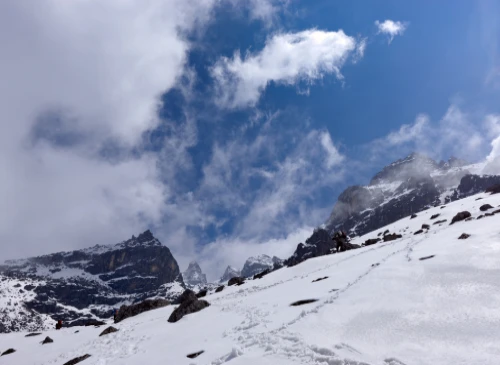
  • Conquer this high mountain pass at 5,320 meters, which offers hypnotic, 360-degree views of Annapurna II, Gangapurna, and Tilicho Peak.
  • Explore these two ancient, stone-built villages where Tibetan-influenced culture and architecture have remained intact for centuries.
  • Experience the spiritual serenity of a night stay at Nar Phedi Monastery (Satek Gomba), where you can join the resident monks for their morning prayers and rituals.
  • Witness an exceptional diversity of terrain, including slender canyons, eroded rock formations, hanging glaciers, and high-altitude desert landscapes reminiscent of the Tibetan Plateau.
  • Visit one of the world's most significant Buddhist monasteries in Phu village, receiving blessings from high-ranking Lamas in a site steeped in history.
  • Keep your eyes peeled for the elusive Blue Sheep, Himalayan griffons, and even traces of the rare snow leopard within the protected Annapurna Conservation Area.
  • Encounter the local Bhotia people, witness their traditional lifestyle of spinning prayer wheels and weaving woolen blankets, and learn about their unique BonPo and Buddhist heritage.
  • Traverse deep river gorges and cross thrilling suspension bridges, including one hanging 80 meters over the Lapche River.
  • Marvel at the up-close views of the Annapurna Massif, Lamjung Himal, Machhapuchhre, and Mt. Manaslu.
  • Benefit from a quieter trail experience due to the special trekking permit requirements, ensuring you escape the typical tourist crowds.

If you are looking to escape the crowded trails of the Annapurna Circuit and step into a world where time has stood still for centuries, the Nar Phu Valley Trek is your ultimate Himalayan sanctuary. Tucked away in the remote corners of the Manang district, this "off the beaten path" adventure leads you into a restricted region that only opened to the world in 2003. For the 2026/27 trekking season, this 10-day journey remains one of Nepal’s best-kept secrets, offering a raw blend of unspoiled Tibetan culture, high-altitude desert landscapes, and dramatic canyons.

The trek navigates between the towering giants of Annapurna and Manaslu, taking you through narrow river gorges and ancient "Dzongs" (forts) that whisper stories of the Khampa people. Unlike more modernized routes, the villages of Nar and Phu remain primordial, with inhabitants still practicing age-old traditions of yak herding and subsistence agriculture. 

Whether you are standing atop the breathtaking Kang La Pass (5,320m) or sharing butter tea with monks in the Satek Gomba, this trek is designed for peace seekers and adventurous souls who crave an authentic mountain experience. Prepare for an unforgettable expedition into the "Hidden Valley," where every turn reveals a landscape of eroded cliffs and snowy peaks that rival the beauty of Tibet.

Outline Itinerary for Nar Phu Valley Trek

Below is the detailed outline itinerary for your 10-day Nar Phu Valley Trek. This journey offers a perfect blend of high-altitude adventure and deep cultural immersion in one of Nepal’s most secluded regions

Day

Route

Duration

Max Altitude

01

Drive Kathmandu to Dharapani via Besisahar

9–10 Hours

1,960 m

02

Trek Dharapani to Koto

5–6 Hours

2,610 m

03

Trek Koto to Meta

6–7 Hours

3,560 m

04

Trek Meta to Kyang

4–5 Hours

3,840 m

05

Trek Kyang to Phu Village

5–6 Hours

4,080 m

06

Trek Phu Village to Nar Phedi

6–7 Hours

3,700 m

07

Trek Nar Phedi to Nar Village

5–6 Hours

4,110 m

08

Trek Nar Village to Ngawal via Kang La Pass

7–8 Hours

5,322 m

09

Trek Ngawal to Humde; Drive to Besisahar

2–3 hrs (Walk) / 4–5 hrs (Drive)

3,320 m

10

Drive Besisahar to Kathmandu

6–7 Hours

1,350 m

Why is the Nar Phu Valley Trek?

Choosing a trek in the Himalayas often feels like a trade-off between iconic views and crowded trails. However, the Nar Phu Valley Trek offers a rare middle ground. It is a journey that is so secluded that it was only opened to the world in 2003. This is not just a walk through the mountains; it is a profound journey into a "Hidden Valley" where time has stood still for centuries.

Here is why this trek is the ultimate sanctuary for adventurous souls in the 2026/27 season:

Remote Cultural Experience

Stepping into Nar and Phu is like entering a living museum of Tibetan-influenced Bhotia culture. Because these villages remained isolated for so long, their ancient traditions, language, and stone-built architecture remain unblemished by modernity.

You can visit the Tashi Lhakhang Gompa, an epitome of noble work by Lama Karma Sonam Rimpoche, where you can receive blessings amidst a 360-degree mountain panorama.

Spending a night at the Nar Phedi Monastery (Satek Gomba) offers an intimate look at the lives of monks, allowing you to join their morning prayers and breathe in the scent of burning juniper.

Diverse Landscapes

The trail is a visual masterpiece that shifts dramatically every day. It begins with lush, enchanting forests of rhododendron, bamboo, and pine, then narrows into thrilling river gorges and slender canyons.

As you ascend, the greenery vanishes, replaced by a high-altitude desert landscape of milky rocks, juniper shrubs, and eroded cliffs that mirror the wild terrain of the Tibetan Plateau.

You will encounter "absolutely amazing rock formations," including a monolith that famously resembles the leaning tower of Pisa.

Spectacular Mountain Views

For mountain lovers, this trek provides an "up-close and personal" view of some of the world's most regal peaks. You aren't just looking at the mountains from a distance; you are walking through their shadows.

Expect breathtaking glimpses of the Annapurna Massif (I, II, III, and IV), the 8,163m Mt. Manaslu, the 8,167m Dhaulagiri, and the iconic Machhapuchhre (Fishtail).

You will also see Tilicho Peak, Gangapurna, and the towering Himlung Himal (7,126m) looming directly above the valley.

The Thrill of Kang La Pass (5,322m)

The Kang La Pass is the ultimate endurance test and the emotional high point of the journey. Reaching the summit at 5,322 meters (approx. 17,460 ft) rewards you with one of the most hypnotic views in all of Nepal.

From the top, you gain a wild alpine perspective of Annapurna II, Gangapurna, and Tilicho Peak, looking down into the vastness of the Marshyangdi Valley below.

This pass serves as the vital link between the secluded Nar village and the more vibrant Manang region.

Untouched Nature

In a world of rapidly developing tourism, Nar Phu remains a bastion of pristine wilderness. Because it requires a restricted area permit and a licensed guide, the trails are much quieter than the mainstream Annapurna Circuit.

The valley is a sanctuary for unique species. Keep a sharp eye out for Blue Sheep (Bharal) grazing on the rugged cliffs and Himalayan griffons circling above. If you are lucky, then you can even trace the elusive snow leopard within the Annapurna Conservation Area.

This trek is designed for "peace lovers" who want to escape the crowds and experience the raw, primordial beauty of the Himalayas.

What permits are required for the Nar Phu Valley Trek?

Since the Nar Phu Valley is a restricted area located near the border of Tibet, the Nepalese government requires specific documentation to ensure the preservation of its culture and environment. Solo trekking is strictly prohibited; you must be in a group of at least two people and be accompanied by a licensed government guide.

For the 2026/27 season, you will need the following three permits:

  1. Nar Phu Valley Restricted Area Permit (RAP): The cost of this permit is seasonal. During the peak autumn months (September to November), it costs USD 100 per person for the first week. From December to August, the cost drops to USD 75–80 per person for the first week. Any additional days beyond the first week cost USD 15 per day.
  2. Annapurna Conservation Area Permit (ACAP): This is required for all treks within the Annapurna region and costs approximately USD 28–30 (NPR 3,000) for foreign nationals.

These permits must be processed through a registered trekking agency in Nepal before you start your journey.

The mountains seen during the Nar Phu Valley Trek

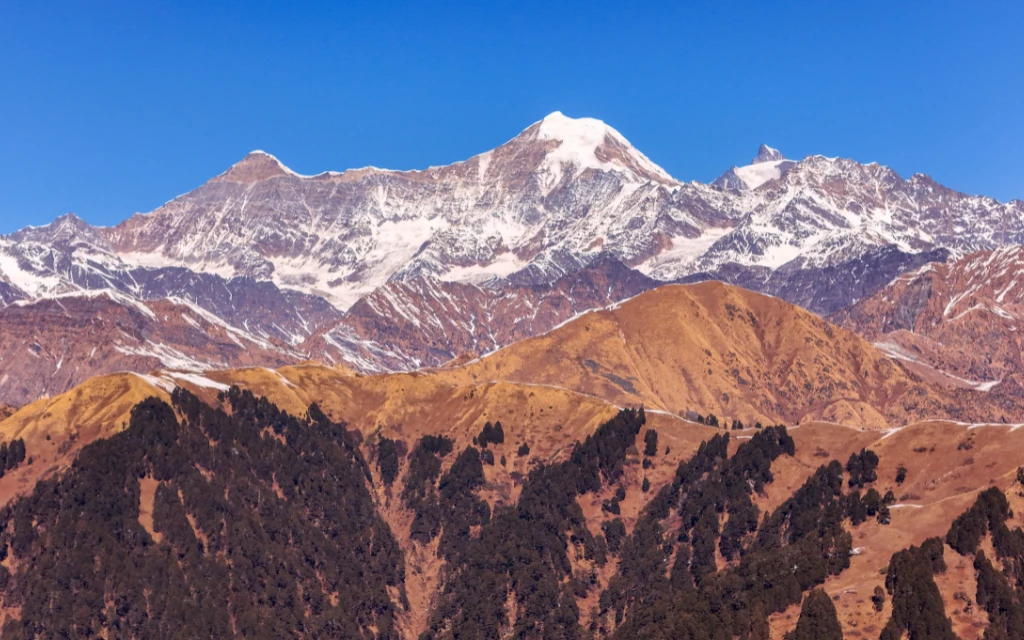
The Nar Phu Valley Trek is a paradise for mountain lovers, offering "up-close and personal" views of some of the most iconic peaks in the Annapurna and Manaslu ranges. The visual landscape is dominated by towering snow-capped giants and jagged silver peaks.

Key mountains visible during the trek include:

  • Annapurna Massif: You will see Annapurna II (7,937m), Annapurna III (7,555m), and Annapurna IV in spectacular detail, especially from the Kang La Pass.
  • Mt. Manaslu (8,163m): The world’s eighth-highest mountain is often visible during the early stages of the trek near Dharapani and Timang.
  • Tilicho Peak (7,134m) & Gangapurna (7,455m): These peaks provide a dramatic backdrop as you cross the high passes.
  • Dhaulagiri (8,167m) & Nilgiri (7,061m): Visible toward the end of the trek as you descend toward the Kali Gandaki Valley and Muktinath.
  • Himlung Himal (7,126m): This peak towers over the village of Phu and is a major highlight of the exploration days in the upper valley.
  • Other notable peaks: You will also catch glimpses of Lamjung Himal, Machhapuchhre (Fishtail), Pisang Peak, Amotsang Himal, and Kang Garu.


Your Nar Phu Valley Trek begins with an early morning departure from the bustling streets of Kathmandu. You will travel along the Prithvi Highway, winding beside the roaring Trishuli River with views of lush green hills and terraced farmlands. After reaching the hub of Besisahar, you will transition to an adventurous off-road drive in a private jeep.

The road follows the Marshyangdi River, passing spectacular sights like the Ghermu and Chamje waterfalls. As the landscape shifts from subtropical to rugged alpine, you may catch your first glimpses of Mt. Manaslu peeking behind the hills. You will eventually arrive in Dharapani, a traditional stone-built village where the Annapurna Circuit and Manaslu trails converge.

  • Max. Altitude:1,960 m
  • Accommodation:Teahouse
  • Meals:Breakfast, Lunch, Dinner

Today, you officially set foot on the trail, beginning with a steady climb through enchanting rhododendron, bamboo, and pine forests. Following the ancient Annapurna Circuit route, you will pass through small settlements like Bagarchhap. This is a village once entirely swept away by an avalanche, and Timang, which offers breathtaking views of Annapurna II and Manaslu.

The path is a beautiful blend of steep ascents and flat sections through verdant woods where you will encounter local mule trains and smiling villagers. Your destination is Koto, a serene Gurung village that serves as the gateway to the restricted region. Here, the peaks tower over a gently rolling countryside, providing a peaceful backdrop for your evening.

  • Max. Altitude:2,610 m
  • Accommodation:Teahouse
  • Meals:Breakfast, Lunch, Dinner

This morning is filled with excitement as you register your restricted area permits at the police checkpoint and leave the crowded Annapurna Circuit trail behind. You will cross a suspension bridge over the Marshyangdi River and enter the narrow, forested canyon of the Nar Khola.

The trail is rugged and dramatic, leading you through narrow gorges, past hidden caves known as "Dharamshala", and under roaring waterfalls. As you climb steeply through the woods, the valley eventually opens up, revealing a landscape of "milky rocks" and juniper shrubs that signal your arrival on the Tibetan Plateau. At Meta, you are rewarded with wide alpine vistas and a sense of true Himalayan isolation.

  • Max. Altitude:3,560 m
  • Accommodation:Teahouse
  • Meals:Breakfast, Lunch, Dinner

Today’s journey is a relatively shorter but visually stunning walk through high-altitude desert terrain reminiscent of the Sierra Nevada. The trail regularly rises and declines, passing colorful Tibetan chortens with fluttering prayer flags. You will trek through semi-permanent settlements like Chyakhu, where you can witness groups of people still practicing subsistence agriculture and yak herding.

As you approach Kyang, an extensive winter settlement for the people of Phu, you will be treated to up-close views of Pisang Peak and Annapurna II. The village lies on a plateau high above the dwindling river, offering a profound sense of peace and primordial beauty.

  • Max. Altitude:3,840 m
  • Accommodation:Teahouse
  • Meals:Breakfast, Lunch, Dinner

You are now entering the heart of the "Hidden Valley." The trek involves walking along rocky cliffs over the Phu River, a thrilling experience that leads to the ancient Phu Gate, known as Pupigyal Kwe. Beyond the gate, the ruins of ancient "Dzongs" (forts) and lines of vibrant chortens appear, leading you into the main village of Phu.

Phu is one of the most beautifully preserved Tibetan-style settlements in the world, where time has stood still for centuries. After settling into your lodge, you can visit the Tashi Lhakhang Gompa, one of the 108 most significant Buddhist monasteries globally. Here, you might receive a blessing from high-ranking Lamas while taking in 360-degree views of Himlung Himal.

  • Max. Altitude:4,080 m
  • Accommodation:Teahouse
  • Meals:Breakfast, Lunch, Dinner

Bidding farewell to Phu, you retrace your steps back down the valley. This descent is vital for acclimatization as you prepare for the high pass in the coming days. You will navigate narrow canyons and cross several suspension bridges over glacial streams.

The highlight of the day is crossing Mahendra Pul, a historic bridge that spans 80 meters over the deep gorge of the Lapche River. From here, a short climb brings you to Nar Phedi Monastery (Satek Gomba). Staying here is a rare privilege; you will spend the night in the monastery’s guest house, sharing a communal dinner with the resident monks and experiencing their spiritual way of life.

  • Max. Altitude:3,700 m
  • Accommodation:Teahouse
  • Meals:Breakfast, Lunch, Dinner

Wake up to the scent of burnt juniper and the rhythmic sound of the monks' morning Puja ceremony. After participating in the prayers and sharing breakfast with the monks, you head toward Nar Village. The trail leads uphill past ancient Mani walls and beautifully painted chortens with bamboo-topped roofs.

As you reach the Nar Gates, the village reveals itself: a bowl-shaped settlement surrounded by vibrant barley and mustard fields and guarded by silver peaks. Nar is more social and lively than Phu; you will see women weaving woolen blankets and spinning prayer wheels in the squares. The afternoon is yours to explore the four ancient colorful Gompas or rest before the challenging pass crossing.

  • Max. Altitude:4,110 m
  • Accommodation:Teahouse
  • Meals:Breakfast, Lunch, Dinner

This is the most challenging and rewarding day of your trek. An early start is essential as you ascend through high yak meadows and moraines toward Kang La Pass. The climb is long and requires mental endurance, especially if there is snow.

Standing at 5,322 meters, the summit offers a hypnotic 360-degree view of the Annapurna Massif, Gangapurna, and Tilicho Peak. After soaking in the panoramic vistas, you will begin a steep and steady descent into the Neyshang Valley. As you reach the medieval village of Ngawal, you are greeted by cobbled streets, prayer wheels, and an architecture that serves as a religious hub for the region.

  • Max. Altitude:5,322 m
  • Accommodation:Teahouse
  • Meals:Breakfast, Lunch, Dinner

After a delicious breakfast with views of the Annapurna range, you will take an easy 2-hour walk through traditional villages toward Humde. Humde is home to a high-altitude airport that sits amidst a smooth, wide valley.

Following lunch, you will board a local jeep for the journey back to Besisahar. The drive is bumpy but scenic, allowing you to watch the landscape transform from the high-altitude alpine desert back into the subtropical greenery of the lower Marshyangdi Valley. You will spend your final night in the mountains at a lodge in Besisahar, reflecting on the journey you've just completed.

  • Max. Altitude:3,320 m
  • Accommodation:Teahouse
  • Meals:Breakfast, Lunch, Dinner

The final leg of your adventure is a scenic 6–7 hour drive back to the capital. Traveling along the Prithvi Highway, you can enjoy the view of the countryside, rivers, and hills from the bus window. Upon arrival in Kathmandu, you will be transferred to your hotel for some well-deserved rest. In the evening, you can enjoy a celebratory farewell dinner with your trekking team to mark the successful completion of your Nar Phu Valley expedition.

  • Max. Altitude:1,350 m
  • Meals:Breakfast, Lunch

Service Details

Includes

Expert Trail Team

  • An experienced professional to lead the way, share cultural insights, and ensure your safety throughout the trek.
  • One porter for every two trekkers (carrying up to 12-14 kg of your luggage), allowing you to walk with just a light daypack.
  • All insurance, salary, meals, accommodation, and necessary equipment for our guides and porters are fully covered.

Restricted Area Permits

  • Nar Phu Restricted Area Permit (RAP)
  • Annapurna Conservation Area Permit (ACAP)

Transportation & Transfers

  • Comfortable private car transfers between Kathmandu and Besisahar at the start and end of your journey.
  • Shared local jeep transfers for the rugged sections between Besisahar to Dharapani and Humde to Besisahar.

Full Board Accommodation & Meals

  • Nine nights of standard teahouse accommodation in the mountains.
  • Three hygienic, high-energy meals per day (Breakfast, Lunch, and Dinner) during the trek.
  • A complimentary cup of tea or coffee is served with each meal.

Gear & Souvenirs

  • Goodsleeping bag and mini spikes (crampons) to ensure comfort and safety on high passes like Kang La.
  • A durable bag is provided for your porter to carry your main luggage.
  • A detailed Nar Phu Valley trekking map and exclusive company souvenirs to take home.
Excludes
  • International Logistics & Insurance
  • Personal Comfort & Gear
  • Fees for charging electronic devices (phones/cameras) and Wi-Fi access in remote tea houses.
  • Costs for hot showers were available in the mountains.
  • Tips for your hardworking guide and porter, which are customary and highly appreciated at the end of the trek.
  • Any additional costs arising from flight delays, weather-related changes, natural disasters, or unexpected government regulations.
Dates & Availability
Select a Departure Month
DateMar 06, 2026 - Mar 15, 2026
PriceUS$1400
AvailabilityAvailable
DateMar 13, 2026 - Mar 22, 2026
PriceUS$1400
AvailabilityAvailable
DateMar 20, 2026 - Mar 29, 2026
PriceUS$1400
AvailabilityAvailable
DateMar 27, 2026 - Apr 05, 2026
PriceUS$1400
AvailabilityAvailable
Essential Information

Preparing for the Nar Phu Valley Trek in 2026/27 requires more than just booking a flight; it’s about preparing your body and mind for a journey where time has stood still. To ensure you get the most out of this "off-the-beaten-path" sanctuary, here is a deeper look at the first four essential travel topics.

Weekly Training Plan for Nar Phu Valley Trek

Preparing for the rugged terrain of Nar Phu is a commitment that should begin weeks or even months before your departure. Because you will be navigating high-altitude desert terrain and steep mountain passes, your training should focus heavily on cardiovascular endurance. Incorporating morning walks, cycling, and jogging into your weekly routine is vital.

Since the trek involves walking anywhere from 10 to 20 kilometers daily, often for 4 to 6 hours, you should simulate these conditions by hiking with a weighted pack. Physical fitness is only half the battle. You must also be emotionally motivated, as a lack of confidence can lead to unnecessary discomfort and worry on the trail. If you have a history of respiratory or cardiac issues, it is highly recommended to consult a doctor before committing to this high-altitude journey.

Accommodation During the Nar Phu Valley Trek

Accommodation in the Nar Phu region is a charmingly basic experience that connects you directly with local mountain life. You will stay in tea houses or lodges, which serve as a combination of a restaurant, hotel, and social gathering place. While these facilities are improving yearly, they remain simple; bedrooms are typically furnished with twin beds and very little else.

Most tea houses provide blankets, but for the 2026/27 season, we strongly suggest bringing your own high-quality sleeping bag for guaranteed warmth. Restrooms are generally shared and may feature either sitting or traditional squatting toilets. A crown jewel of this itinerary is the stay at Nar Phedi Monastery (Satek Gomba), where you can spend the night in the monastery’s guest house and even share a meal with the resident monks, a truly immersive spiritual experience.

Meals and Drinking Water on the Trek

The food in the Nar Phu Valley is surprisingly diverse and often features fresh, locally grown organic vegetables. You will find a mix of traditional staples and international favorites, including:

  • Traditional Power Foods: Dal Bhat (lentil soup and rice), Thukpa (noodle soup), Momos (dumplings), and Sherpa Stew.
  • Breakfast Favorites: Tibetan bread, Tsampa porridge, pancakes, and various egg dishes.
  • Himalayan Specialties: You must try the local Tibetan tea, made with butter and salt.

A critical health tip for this region: avoid eating meat products once you climb past Koto. Meat is often carried up from lower regions by porters or mules and may not remain fresh by the time it reaches high-altitude kitchens. For hydration, always use refillable water bottles. You can fill these from local taps, but you must use purification tablets or filters to ensure the water is safe. Boiled water is also available at tea houses for a small fee, typically ranging from USD 3 to 4 per liter.

Difficulty Level and Required Fitness

The Nar Phu Valley Trek is officially rated as moderate to strenuous. The primary challenges are the high altitude and the ruggedness of the terrain, particularly when crossing the Kang La Pass (5,320m). Unlike some modernized trails, you will be traversing ancient paths that can be narrow, rocky, and steep.

However, this trip is not considered "difficult" for those with basic walking habits and a moderate level of fitness. If you can comfortably walk 5 to 7 hours a day over several days, you can conquer this trek. The key to success is proper acclimatization; the 10-day itinerary includes vital rest days in the villages of Nar and Phu to help your body adjust to the low oxygen levels. Prior experience with high-altitude hiking is not mandatory, but it is a massive advantage for your comfort and safety.

Best Seasons for the Nar Phu Valley Trek

Choosing the right time to visit the Himalayas is the difference between a cloudy walk and a life-changing panoramic experience. For the 2026/27 season, the Nar Phu Valley Trek is most popular during the Spring (March to May) and Autumn (September to November).

  • Spring (March–May): This is a season of rebirth. From mid-March onwards, temperatures begin to climb, making the lower trails comfortably warm. As you walk through the lower forests, you’ll be treated to vibrant displays of red, pink, and white rhododendron blooms. The skies are generally clear, providing crisp views of the Annapurna Massif before the summer haze sets in.
  • Autumn (September–November): Often considered the "gold standard" for trekking, Autumn offers the most stable weather and the sharpest mountain visibility. By early September, the monsoon rains have washed the dust from the air, leaving the lowlands lush and green. October is particularly famous for its deep blue skies and clear nights, perfect for stargazing over the silver peaks.
  • Monsoon (June–August): Unlike many other treks in Nepal, Nar Phu is a fantastic "rain shadow" trek. Because it sits behind the giant Annapurna and Manaslu ranges, it receives very little rainfall even in the height of summer. Flower lovers will find this season magical, as the high-altitude desert is dotted with rare Himalayan wildflowers.
  • Winter (December–February): While trekking is technically possible with specialized gear, we generally discourage it for most. The extreme cold and heavy snow can often block the Kang La Pass, making the journey much more dangerous.

Packing List and Trekking Gear Checklist

Think of your gear as your lifeline in the mountains. The Nar Phu Valley features diverse climates, ranging from subtropical riverbanks to high-altitude deserts. So, you need a "layering" strategy.

  • The Essentials: You will need sturdy, broken-in hiking boots to protect your ankles on rocky, steep terrain. Pair these with high-quality trekking socks to prevent blisters.
  • Layering for Warmth: Pack moisture-wicking base layers, fleece jackets, and a heavy down jacket for the freezing nights in Nar and Phu. A waterproof and windproof outer shell is essential for crossing the 5,322m Kang La Pass.
  • Specialized Equipment: For the 2026/27 season, ensure you have a high-altitude sleeping bag rated for at least -15°C. Trekking poles are highly recommended to save your knees during the 1,600-meter descent from the pass. Depending on the snow conditions, mini-spikes or crampons may also be required for safety.
  • Personal Care: High SPF sunscreen and UV-protection sunglasses are non-negotiable, as the sun’s reflection off the snow can be intense. Also, bring water purification tablets or a filter bottle, as the local tap water must be treated before drinking.

Altitude Sickness, Safety, and Health Tips

Safety is our top priority in the "Hidden Valley." The greatest concern on this trek is Acute Mountain Sickness (AMS), which typically occurs above 3,000 meters.

  • Recognizing Symptoms: Early signs of AMS include persistent headaches, nausea, dizziness, and loss of appetite. Our itineraries are designed with built-in acclimatization days in Phu and Nar villages to help your body adjust to the thinning air.
  • Prevention is Key: The golden rule is to "climb high, sleep low" and maintain a slow, steady pace, never rush. Stay hydrated by drinking at least 3-4 liters of water daily, and avoid alcohol, which dehydrates the body and mimics altitude symptoms. Many trekkers carry Diamox after consulting their doctor to help with the adjustment.
  • Trail Etiquette: Safety also applies to the trail itself. When passing mule trains, donkeys, or yaks, always stay on the "inside" of the trail (cliffside). These heavy-laden animals can accidentally push you toward the edge. Always keep a safe distance from yaks, as they can be unpredictable.

Weather Conditions in Different Seasons

The weather in the Nar Phu region is a world of extremes. Even in the "warm" seasons, the higher you go, the more the temperature drops.

  • In Spring: You can expect pleasant daytime temperatures around 10°C to 12°C, but as soon as the sun sets, it can drop to -3°C. The air is generally dry, making for excellent trekking conditions.
  • In Autumn: The daytime is slightly cooler, averaging around 8°C, while the nights can get quite chilly at -6°C or lower at high-altitude settlements. However, the lack of wind and clear skies often makes it feel warmer during the day.
  • In Monsoon: While lower regions may be humid and misty (15°C to 25°C), the Nar Phu Valley remains relatively dry. You may encounter some clouds obscuring the mountain peaks, but the lush, green landscapes are a unique trade-off.
  • Universal Truth: Regardless of the season, high-altitude points like the Kang La Pass and Thorong La Pass are always cold and subject to sudden wind-chill, so you must always be prepared for winter-like conditions at the summits.

Related or Side Trails during the Nar Phu Valley Trek

While the core 10-day loop of the Nar Phu Valley is an odyssey in itself, this region is a gateway to several spectacular side trails and related adventures that allow you to dive even deeper into the Himalayan wilderness. If you have a few extra days or a thirst for high-altitude "side quests," the area surrounding Phu and Nar offers hidden gems that most trekkers miss. For instance, from the ancient stone village of Phu, you can do a rewarding hike to the Himlung Himal Base Camp. This roughly 3 hour journey leads you to the foot of a 7,126m giant, offering a raw, front-row seat to glaciers and climbing routes that feel worlds away from civilization. For those looking for a panoramic perspective of the "Hidden Valley," a separate 3 hour ascent to the Phu Viewpoint provides a dizzying, bird’s-eye look at the entire valley and the surrounding jagged peaks.

As you move toward Nar, the side trails shift from mountaineering vistas to spiritual sanctuary. An essential acclimatization hike often involves a five-hour round trip to the Nar Phedi Monastery (Satek Gomba). This trail isn't just about fitness; it’s a beautiful altitude rotation that lets you visit one of the region's most colorful and tranquil Tibetan Buddhist sites while helping your body prepare for the 5,322m Kang La Pass. For the truly ambitious, Nar Phu also serves as a base for technical peak climbing expeditions toward Ratna Chuli, Kang Guru, and Gyajing Kang, though these require specialized permits and gear.

Perhaps the most legendary extension is the connection to the Annapurna Circuit and Tilicho Lake. Once you descend from Kang La Pass and reach Ngawal, you are officially on the "Apple Pie Trail." From here, many trekkers choose to branch off toward Tilicho Base Camp to witness the turquoise brilliance of the world’s highest lake, Tilicho (4,919m), before continuing over the mighty Thorong La Pass (5,416m). This combined route takes you from the most secluded corners of the Himalayas to the sacred pilgrimage site of Muktinath, famous for its 108 holy water spouts. Whether you are relaxing in the natural hot springs of Tatopani or staring into the depths of the Kali Gandaki Gorge, these related trails transform your 10-day trek into a comprehensive Himalayan epic.

Nar Phu Valley Trek 10 days | Itinerary and Cost for 2026/27 FAQs

  • While both villages are steeped in Tibetan Buddhist heritage, they each offer a distinct atmosphere. Phu Village is often described as more secluded, peaceful, and primordial, where time has truly stood still for its roughly 300 inhabitants. In contrast, Nar Village is more social, vibrant, and lively. In Nar, you will find squares filled with residents weaving woolen blankets, pounding mustard seeds, or painting prayer flags. Interestingly, nearly every family in Nar sends at least one child to live and study at the local Gompa, filling the village with the sounds of chanting and cymbals.

  • Both passes offer high-altitude thrills but differ in scale and perspective:

    • Kang La Pass (5,322m): This pass is considered rewarding and not overly technical, though it is long and can be challenging if there is heavy snow. It provides hypnotic, 360-degree views of Annapurna II, Gangapurna, and Tilicho Peak.
    • Thorong La Pass (5,416m): As one of the highest passes in the world, Thorong La is higher and generally more strenuous. It offers a different panorama, featuring the Annapurna range and the heavily glaciated Khatungkang, with the massive Dhaulagiri standing in the distance during the descent.
  • The region is a treasure trove of ancient Buddhist architecture. In Phu, the highlight is the Tashi Lhakhang Gompa, one of the 108 most significant monasteries in the world, where you can receive blessings from high-ranking Lamas. You can also explore the ancient Phu Gate (Pupigyal Kwe) and the ruins of historical "Dzongs" (forts). In Nar, you can visit four ancient, colorful Gompas and walk past beautifully painted, bamboo-topped chortens and extensive Mani walls.

  • Staying at Nar Phedi Monastery (Satek Gomba) is a profound spiritual highlight. Trekkers stay in the monastery’s dedicated guest house and share communal meals with the resident monks in their dining hall. The experience is immersive; you will wake up to the smell of burnt juniper and can participate in the morning Puja ceremony, witnessing daily rituals that have remained unchanged for centuries.

  • Preparation requires both physical and mental readiness:

    • Physical Training: Engage in cardio exercises like morning walks, cycling, and jogging for several weeks or months before the trek.
    • Acclimatization: Our 10-day itinerary includes vital acclimatization days in Phu and Nar to help your body adjust to the thinning air.
    • Mental Focus: Confidence is key, as a positive attitude helps manage the exhaustion of long trekking days.
    • Gear: Use high-quality trekking poles for stability, and ensure you have broken-in hiking boots.
  • The descent from the summit of Kang La to Ngawal village is quite steep and takes approximately three hours. To protect your joints, it is highly recommended to use hiking poles to take the weight off your knees and ankles. While the human-made trail is generally safe, it can be slippery, so maintaining a slow, steady pace is essential. Proper acclimatization at higher altitudes earlier in the trek will also ensure you have the energy and coordination needed for this long descent.

Why you should book a HAT trips?
  • Hiking Adventure Staff are loved and cared
    Hiking Adventure Staff are loved and cared

    Hiking Adventure Team is committed to a supportive and enabling working environment. We continue to invest in comprehensive training for our team, with the goal to foster an excellent working atmosphere. We believe that motivated, capable employees are crucial for reaching our shared objectives while providing valuable benefits to the community at large.

  • We Help You Plan Your Journey
    We Help You Plan Your Journey

    We offer you your dream adventure in trekking and tours around Nepal, Bhutan, India, and Tibet. From the thrilling high mountain expeditions to the charm of ancient landmarks and the richness of cultural experiences, we plan the best for your journey.

  • Quality Travel Service Since 2011
    Quality Travel Service Since 2011

    Planning a trip to Nepal? We have been offering premium travel experiences, expert guidance combined with immersive adventure since 2011. From thrilling trekking routes to enriching cultural tours, we promise authentic journeys that leave a mark on your soul.

  • We help build Community-Driven Social Responsibility
    We help build Community-Driven Social Responsibility

    We promote community-based social responsibility through capacity building programs, job creation, and empowerment initiatives. Our customer trust-driven approach cultivates friendships and sustains our thriving travel community.

Confused about what to choose? Contact us!

We are a team of experts in Nepal Travel Industry with over fifteen years of experience. Let's together plan a wonderful holiday for you. Contact us to discuss further for an amazing Travel Itinerary.