Showing 3Packages
![Manaslu Circuit Trek]()
Manaslu Circuit Trek- Larkya La Pass (5,106 M)
Starting fromUS$1398US$1700![Manaslu Circuit Tsum Valley Trek]()
Manaslu Circuit Tsum Valley Trek | 18 Days Cost & Itinerary
Starting fromUS$1750US$1880![tsum valley trek]()
Tsum Valley Trek - 14 Days
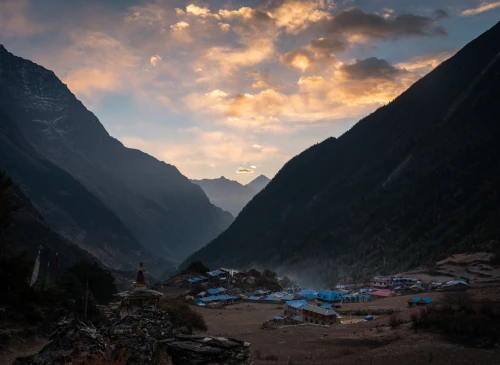
For trekkers who believe the journey itself is the destination, the Manaslu Region is a revelation. Tucked away in north-central Nepal, this is a realm where raw Himalayan majesty meets profound cultural authenticity, away from the well-trodden trails of Everest and Annapurna. Circling the eighth-highest mountain in the world, Mount Manaslu (8,163m), this region isn't just a trek—it's an immersion.
Manaslu, derived from the Sanskrit word Manasa, meaning "intellect" or "soul," lives up to its name. The entire region feels like a sanctuary. It was a restricted area until 1991, which has preserved its pristine landscapes and traditional ways of life. Today, it offers a carefully managed trekking experience that prioritizes sustainability and cultural respect over mass tourism. This is for the adventurer seeking solitude, challenging passes, and a genuine connection with the Himalayas.
Manaslu Tsum Valley and Ganesh Himal Trek lie in the same region and on the same routes, which are also under the Great Himalayan Trails, which is a beautiful Himalayan trekking adventure perfect for soul travelers. This region is an alternative to the Annapurna Circuit Trek; these days, a lot of travelers choose the Manaslu Circuit Trek, a challenging trek for adventure seekers. Exploring the region of the 8th highest mountain in the world is worthwhile with remoteness, serenity, and fewer crowds. It’s a peaceful adventure.
Journeying through the river and high mountain valleys towards the remote Himalayan setting and walking over a high mountain pass quenches the travel thirst like no other destination can. While you are on this adventure, you will experience one of the best remote mountain trekking experiences in the world. The trek that starts with a river valley walk takes you higher to the mountain wilderness and eventually to the top of the Larke Pass at an elevation of 5,106 meters above sea level. Although the adventure goes in there on Mt. Manaslu (8,156 m), the trek doesn’t follow base camp on the regular trail. However, you can hike to the Manaslu base camp on the acclimatization day along the trail. To commence this trek, the Arught Bazaar is the main gateway of the Manaslu Tsum Valley and also requires an MCAP permit and a special permit issued from the Department of Immigration.
While Manaslu dominates, the skyline is a crowded theater of giants. The region is part of the Gurkha Massif, which includes:
This is the cultural heart of the trek. The region is predominantly inhabited by Nubri and Tsum communities, ethnic groups of Tibetan origin who crossed the border centuries ago.
The journey is part of the adventure. There are no direct flights into the region.
We are a team of experts in Nepal Travel Industry with over fifteen years of experience. Let's together plan a wonderful holiday for you. Contact us to discuss further for an amazing Travel Itinerary.