At a Glance
  • Duration17 Days
  • DestinationNepal
  • Difficulty Level Moderate
  • Max. Altitude5545 (Kalapatthar)
  • Group Size1-20
  • Trip StyleTrekking
  • StartsKathmandu
  • EndsKathmandu
  • Best TimeMarch-May & Sept.-Nov.
Highlights
  • Take a flight to one of the world’s most thrilling airstrips, Lukla and enjoy the panoramic mountain views.
  • A gradual introduction to Sherpa culture in Phakding and Namche Bazaar, with opportunities to visit local markets, monasteries, and viewpoints.
  • Acclimatization hikes to Everest View Hotel and Khumjung for stunning vistas of Everest, Ama Dablam, Lhotse, and Thamserku.
  • Trekking through Sagarmatha National Park, a UNESCO World Heritage Site rich in wildlife, forests, and dramatic landscapes.
  • Immersive encounters with centuries-old Buddhist monasteries such as Tengboche, known for its spiritual ambiance and iconic backdrop of Ama Dablam.
  • Crossing high-altitude terrain, including Dingboche, Lobuche, and Gorak Shep, with close-up views of towering Himalayan giants.
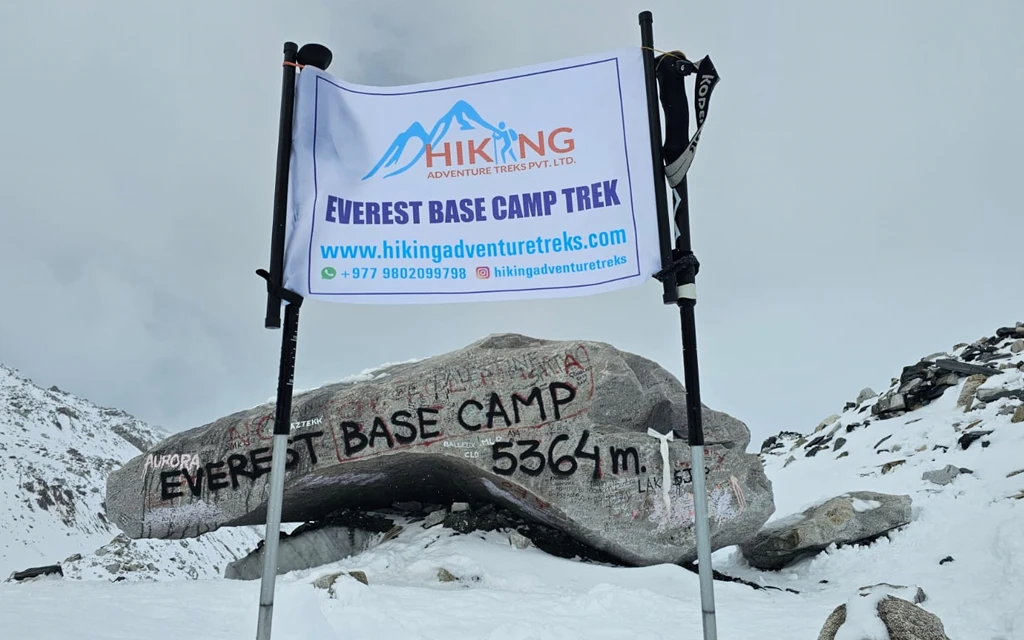
  • A memorable visit to Everest Base Camp at 5,364 m, standing at the foot of the world’s highest peak.
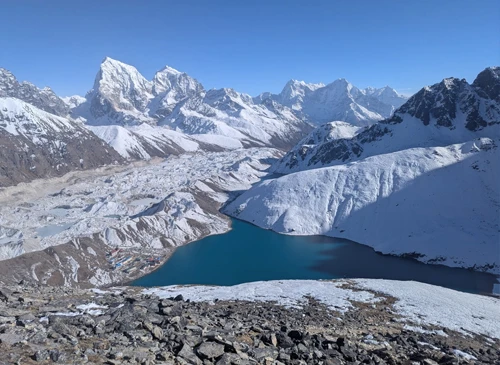
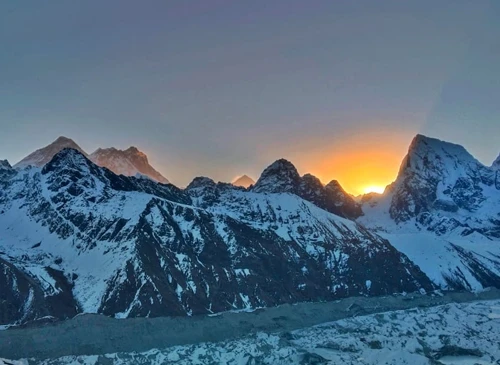
  • Sunrise ascent of Kala Patthar (5,545 m) for the best panoramic viewpoint of Mount Everest and the surrounding peaks.
  • Continuous cultural experiences with Sherpa communities, showcasing traditional lifestyles, prayer wheels, chortens, and colorful prayer flags.
  • Gradual descent following the classic route back to Lukla, offering a reflective journey through changing landscapes and villages.

The Everest Base Camp Trek offers a gradual and immersive journey into the heart of the Khumbu, allowing you to experience the Himalayas in both their cultural richness and raw natural grandeur. The adventure begins with the scenic flight to Lukla, where the trail winds through dense pine forests, suspension bridges draped in prayer flags,. You will also pass through small Sherpa settlements that reflect the region’s Buddhist heritage. As you move through Phakding, you will arrive in Namche Bazaar. This village is a vibrant trading hub of the Khumbu. You gain your first sweeping views of Everest and settle into the rhythm of acclimatization days, side hikes, and slow elevation gains. Trekking further into Tengboche introduces you to the region’s spiritual core, with the famed monastery set against the backdrop of Ama Dablam. The landscape gradually shifts from forested hillsides to the windswept, high-altitude terrain of Dingboche, Lobuche, and Gorakshep. The air thins, the temperatures drop, and the mountains appear overwhelmingly close.

The final push to Everest Base Camp leads across glacial moraine and rugged, moon-like terrain shaped by centuries of ice movement. Arriving at Base Camp is a deeply emotional experience. You stand on the very ground where legendary expeditions prepare to climb the world’s highest summit. Massive ice formations surround the landscape, the creaking Khumbu Glacier, and the towering west face of Everest looming silently above. The atmosphere is a blend of stillness and power, no crowds of climbers, no structures, just the untouched forces of nature. Many trekkers describe the moment as surreal: a profound mix of pride, humility, and awe as you realize you are standing at 5,364 meters, face-to-face with the highest peak on earth. The journey to Base Camp is not only an achievement of endurance but also a deep connection to the Himalayas, offering insight into Sherpa life, mountain spirituality, and the vastness of the natural world.

A Typical Day on the Everest Base Camp Trek

A typical day on the Everest Base Camp Trek follows a steady mountain rhythm designed to balance comfort, acclimatization, and steady progress toward higher altitudes. Your morning usually begins early, around 6:30–7:00 AM. We will then have a hearty breakfast in the lodge dining hall. Eggs, porridge, Tibetan bread, muesli, or pancakes are popular options to fuel the day’s walk. After packing your duffel and daypack, you step onto the trail by 8:00 AM, moving at a relaxed but consistent pace through changing landscapes. You will cross forested paths, river crossings over suspension bridges, open valleys, and increasingly rugged, rocky terrain as you gain altitude. The walk typically lasts 4–6 hours, with short rests for tea, photographs, or admiring panoramic Himalayan views. You will be greeted with peaks such as Thamserku, Ama Dablam, Lhotse, and eventually Everest itself.

Around midday, your group stops at a teahouse for lunch. You can have simple but nourishing meals like dal bhat, noodles, potato items, or fried rice. We will then continue the final stretch to your destination village. You normally reach the lodge by mid-afternoon, giving you time to settle into your room, sip hot tea, take a brief nap, or explore the surroundings. Higher up, your afternoons may include acclimatization hikes to nearby ridges for better altitude adjustment. Evenings revolve around the warm stove in the common dining area, where we can gather to talk, read, review the next day’s plan, or simply enjoy the peaceful mountain atmosphere.

Dinner is served around 6:30–7:00 PM, followed by an early rest, since temperatures drop quickly and fatigue sets in faster at altitude. This steady routine of walking, resting, acclimatizing, and sleeping helps maintain your energy, ensures safe altitude adaptation, and allows you to fully absorb the daily beauty and rhythm of the Khumbu Valley.

Your 17 days Everest Base Camp Trek begins at the moment you land at Tribhuvan International Airport. Kathmandu greets you with its energetic streets, vibrant markets, and a unique blend of ancient and modern cultures. As you drive to your hotel, you’ll notice beautifully carved temples, colorful prayer flags, and a warm, welcoming atmosphere. The city’s rich Buddhist and Hindu heritage sets a spiritual tone for your Himalayan journey.

After settling in, you may explore nearby attractions or simply rest from your flight. Thamel is the popular tourist district, is filled with trekking shops, cafes, and handicraft stores. In the evening, your trekking guide conducts a detailed briefing about the upcoming trek, covering altitude, gear, safety, and the daily schedule. This orientation helps you mentally prepare for the journey ahead.

    You leave Kathmandu early in the morning to avoid traffic, beginning a scenic drive toward Ramechhap. The journey takes you through lush hillsides, terraced farms, fast-flowing rivers, and rural settlements that reflect Nepal’s countryside charm. The landscape gradually shifts from urban to peaceful greenery as you move deeper into the hilly region. This drive also provides a gentle transition from the busy city to the calm mountain environment.

    As you approach Ramechhap (Manthali), you can feel the atmosphere change. The air becomes fresher, the roads quieter, and the surroundings more serene. Manthali serves as the gateway for flights to Lukla, especially during peak trekking months. You settle into your lodge, prepare your bags for the early flight the next morning, and get some rest before the journey truly begins.

      The day begins before sunrise as you head to the small airport for your flight to Lukla. The 20–25 minute flight is thrilling, offering breathtaking aerial views of rolling hills, deep valleys, and snow-covered peaks. Landing at Lukla’s famous airstrip is a memorable experience, marking the official start of your Everest trek. The moment you step off the plane, crisp mountain air, fluttering prayer flags, and the sight of Sherpa porters create an immediate sense of adventure.

      The trek to Phakding is a gentle introduction to the trail. You walk past stone houses, prayer wheels, mani walls, and picturesque Sherpa villages. The trail winds along the Dudh Koshi River, whose turquoise waters accompany you throughout the day. You cross several small suspension bridges and enjoy views of peaks like Kusum Kanguru. Phakding, located beside the river, is a peaceful village where you spend the night and adjust to the high-altitude environment.

        Today’s trek is one of the most rewarding and challenging early sections of the journey. The trail continues alongside the Dudh Koshi River, passing through pine forests and charming villages like Toktok, Benkar, and Monjo. You enter the Sagarmatha National Park, where permits are checked and the landscape becomes more pristine. The sound of the river, the forest canopy, and snow-capped peaks peeking through the trees create a beautiful and immersive atmosphere.

        The final stretch from Jorsalle to Namche is a steep uphill climb that requires steady pacing. You cross the iconic Hillary Suspension Bridge, the highest bridge on the trail, offering dramatic views of the gorge below. As you ascend toward Namche, you may get your first glimpse of Mount Everest on a clear day. Namche Bazaar, built on a natural amphitheater-like slope, is the bustling commercial and cultural hub of the Khumbu region.

          This acclimatization day is essential for reducing the risk of altitude sickness. After breakfast, you take a short hike to Syangboche Airport and onward to the Everest View Hotel. It is a famous viewpoint offering incredible panoramas of Everest, Ama Dablam, Thamserku, and Lhotse. The hike helps your body adapt while rewarding you with unforgettable Himalayan scenery. The clear mountain views from this ridge often become a highlight of the early part of the trek.

          After returning to Namche, spend the afternoon exploring the Sherpa museum, local monasteries, artisan shops, and cozy cafss. Namche’s lively atmosphere combined with its mountain backdrop makes it a perfect acclimatization stop. You can also observe the daily life of Sherpa people, who are known for their warm hospitality and strong mountaineering heritage.

            The trail from Namche begins with gentle, level walking along a ridge offering constant views of Ama Dablam’s iconic pyramid-shaped summit. As you walk toward Kyangjuma, the panoramic scenery opens up, showcasing Everest, Lhotse, and Thamserku in the distance. The path then descends gradually to the small village of Phunki Tenga, where you cross a river and prepare for the day’s main ascent.

            The climb to Tengboche is steady but rewarding, taking you through forests of fir and rhododendron. Tengboche is home to the famous Tengboche Monastery, the largest in the Khumbu region. Surrounded by soaring peaks, the monastery is a serene place where you can observe evening prayers or simply enjoy the peaceful mountain ambience. Sunrise and sunset here are unforgettable, with Ama Dablam glowing beautifully in golden light.

              From Tengboche, the trail descends through a forested path to Deboche and then gradually climbs toward Pangboche, one of the oldest Sherpa villages in the region. The views of Ama Dablam dominate the skyline throughout the day, becoming closer and more dramatic as you approach the higher valley. Beyond Pangboche, the landscape shifts into an alpine terrain with fewer trees and more rugged beauty.

              As you reach Dingboche, you enter the wide Imja Valley surrounded by steep ridges and stunning mountain walls. Dingboche is known for its stone-walled fields that protect crops from strong Himalayan winds. The village offers close-up views of Island Peak, Lhotse, and the Ama Dablam ridge. The high-altitude environment becomes more noticeable, and the pace slows naturally to conserve energy.

                This acclimatization day includes an optional hike to Nangkartsang Peak, which offers sweeping views of Makalu, Ama Dablam, Lhotse, and the Imja glacier. The trail is steep and rocky but incredibly rewarding. These high-altitude hikes help your body adjust before moving toward the upper Khumbu region.

                After returning to the village, the rest of the day is for rest and recovery. Dingboche’s open valley offers peaceful mountain scenery, where yaks graze and clouds drift over snow-covered ridges. This day also provides time to hydrate, warm up in the lodge dining room, and prepare mentally for the colder and more challenging sections ahead.

                  The trail from Dingboche climbs gently toward Dughla, a small village located at the base of the Khumbu Glacier. As the air gets thinner, the landscape becomes rocky and barren, creating a dramatic high-altitude atmosphere. You walk along mountain slopes with views of peaks like Taboche and Cholatse dominating the skyline.

                  A steep ascent brings you to Thukla Pass, where memorial chortens honor climbers who lost their lives on Everest. This emotionally powerful place, surrounded by the world’s highest mountains, offers time for reflection. From the pass, the trail continues gradually to Lobuche, a settlement tucked between towering peaks. The cold, crisp air and glacial winds remind you that you are now close to Everest Base Camp.

                    This section takes you into the heart of the high Himalayas. The trail follows the lateral ridge of the Khumbu Glacier, weaving through rocky moraine and uneven terrain. The views become increasingly striking, with Nuptse, Pumori, and the glacier’s massive ice formations creating a surreal environment.

                    Gorakshep is the last settlement before Everest Base Camp. Located on a sandy glacial plain surrounded by jagged peaks, it feels like a true Himalayan outpost. The altitude is challenging, and movements become slower, but the anticipation of reaching Everest Base Camp adds excitement to the day.

                      You start early, often before dawn, to climb Kala Patthar. The trail is steep and demanding, but the reward is one of the most spectacular sunrise viewpoints in the world. As the sun rises, the face of Mount Everest, along with Nuptse, Lhotse, and a vast sea of Himalayan peaks, glows in golden light. Standing here is an emotional and unforgettable highlight of the trek.

                      After returning to Gorakshep for breakfast, you begin descending back toward Lobuche. The lower altitude brings relief, and the landscape starts to feel less harsh. The return journey allows time to reflect on the incredible experience of standing before the world’s highest peak.

                        The trail continues with a steady descent past the glacier region and back into greener valleys. You pass through Pheriche and Pangboche, villages with stone houses and views of rolling hills below. The walk feels refreshing after days spent at very high altitude.

                        By the time you reach Tengboche, the air feels richer and warmer. The monastery stands proudly against the backdrop of Ama Dablam and Everest. The mountain views are breathtaking, and the peaceful environment makes Tengboche a perfect place to rest after long days in the higher regions.

                          The descent continues through rhododendron forests, river crossings, and scenic hill paths. With each step, the landscape becomes greener, the temperature warmer, and the energy livelier. The route between Tengboche and Namche provides beautiful views of Everest and the surrounding peaks from different angles.

                          Namche Bazaar feels surprisingly comfortable after days of remote mountain terrain. You can enjoy bakeries, cafes, souvenir shops, or simply walk around the amphitheater-like village. It’s also the perfect place to celebrate the accomplishment of reaching Everest Base Camp.

                            Today, you retrace your steps along the Dudh Koshi River, passing Phakding and several suspension bridges. The trail becomes busy with porters, yaks, and trekkers heading in both directions. The mixture of pine forests, river sounds, and cheerful village life creates a lively atmosphere.

                            Arriving in Lukla marks the official completion of your trek. You spend the evening relaxing with your guide and porters, celebrating the journey you have completed through the world’s most famous trekking route.

                              You board an early flight back to Kathmandu, once again enjoying beautiful aerial views of the Himalayas. Arriving in the city feels completely different after your time in the mountains warmer, noisier, and filled with color. You can spend the rest of the day relaxing, enjoying a meal, or visiting cultural sites around Kathmandu Valley.

                                This day acts as a buffer in case of Lukla flight delays. If everything goes smoothly, it becomes a free day to explore Kathmandu. You can visit Bhaktapur, Patan, Swayambhunath, or Pashupatinath or simply enjoy a relaxing spa day and souvenir shopping in Thamel. It is a pleasant way to unwind after nearly two weeks of trekking.

                                  After breakfast, you are transferred to the airport for your international flight. As you leave Nepal, the memories of Everest Base Camp, the Sherpa culture, and the breathtaking Himalayan landscapes stay with you, becoming a cherished part of your travel story.

                                    During the peak trekking seasons (spring and autumn), all flights to Lukla are redirected from Kathmandu Airport to Ramechhap Airport to reduce air traffic congestion and ensure safer, more reliable flight operations. Kathmandu is extremely busy with domestic and international flights, making it difficult to secure the early-morning takeoff window required for Lukla’s short runway and weather-sensitive conditions.

                                    Ramechhap Airport offers a less crowded environment, faster processing, and greater flexibility for pilots, which increases the chances of on-time departures. Although it requires a 4–5 hour drive from Kathmandu, this shift helps minimize delays and cancellations, creating a smoother travel experience for trekkers heading to the Everest region.

                                    Service Details

                                    Includes
                                    • Full board meals while trekking (Breakfast, Lunch & Dinner).
                                    • Private Arrival & Departure transfers on both domestic and international flights.
                                    • Hotel Accommodation in Kathmandu 3 star hotel on a twin share bed/Single and breakfast as per the itinerary.
                                    • Accommodation in teahouse ( Best Mountain Lodge ) or lodge while trekking.
                                    • Welcome / fare- well dinner as listed in the itinerary with Local Cultural Dance
                                    • The sightseeing city tour with world heritage entrance fees as listed in itinerary.
                                    • All Domestic flights and airport tax as listed in the itinerary.
                                    • Private transportation to and from the starting and ending points of the trek as applicable.
                                    • Sleeping bag, duffel bag etc for the use during the trip, Plastic garbage bags.
                                    • Professional local experienced Trek Leader / Guide trained in Wilderness First Aid.
                                    • Comprehensive First Aid Kit.
                                    • Respective region (Everest) trekking map, TIMS Card.
                                    • Necessary Porters to carry all personal gear and group equipment.
                                    • Proper Insurance of all staff including porters.
                                    • Warm clothing & trekking gear for staff including porters: Gortex jacket & trousers, fleece jacket and pant, trekking shoes / boots, woolen hat, gloves, shocks, sunglasses etc.
                                    • A Trekking t-shirt
                                    • Comprehensive pre-departure information and trip dossiers
                                    Excludes
                                    • Meals on the cities except Welcome Dinner (Tentative US$8-$12.00 per meals)
                                    • Nepal entry visa fee which you will get it in to Kathmandu airport on upon arrival
                                    • Personal trekking equipment
                                    • Items of a personal nature expenses such as alcoholic drinks, cold drinks, laundry, mineral water, hot shower, battery charge, Telephone, etc.
                                    • Single Supplenment (USD 200 per person)
                                    • International airfare and airport taxes, excess baggage charges.
                                    • Valid Travel Insurance with Medical evacuation in case of emergency
                                    • Expenses incurred due to accidents, landslide, strikes and other unpredictable events.
                                    Essential Information

                                    Best season to travel to Everest Base Camp Trek- 17 Days

                                    The best seasons for the Everest Base Camp Trek are spring (March–May) and autumn (September–November). During spring, the trail comes alive with blooming rhododendrons, milder temperatures, and steady weather patterns. Clear mornings allow uninterrupted views of Everest, Lhotse, Ama Dablam, and other peaks, while afternoons remain comfortable for trekking. This season is ideal for trekkers who enjoy vibrant landscapes and stable conditions.

                                    Autumn is equally popular due to post-monsoon clarity, crisp air, and exceptional visibility. The skies stay clear throughout the day, offering some of the most dramatic Himalayan panoramas of the entire year. Nights begin to get cooler at higher altitudes, but the weather remains stable, making this season reliable for a long itinerary like the 17-day trek. Winter and monsoon trekking are possible but require more preparation due to snow, rain, and unpredictable weather.

                                    Everest Base Camp Altitude

                                    Everest Base Camp sits at an altitude of 5,364 meters (17,598 ft), placing it in the high-altitude zone where oxygen levels drop significantly. The 17-day itinerary is designed to manage this elevation gradually, with acclimatization days in Namche Bazaar and Dingboche. These stops help your body adapt to reduced oxygen and reduce the risk of altitude-related problems.

                                    Beyond Dingboche, the terrain becomes harsher and more exposed as you trek through places like Lobuche and Gorakshep. Daily progress is slow and steady, and hydration, rest, and controlled pacing become increasingly important. The feeling of reaching Base Camp at this height is profound. The thin air, massive ice formations, and sheer scale of the surrounding peaks create an atmosphere unlike anywhere else on earth.

                                    What is the food like on the Everest Base Camp Trek?

                                    Food on the Everest Base Camp Trek is designed to keep you warm, energized, and nourished throughout long days at altitude. But the options and availability change as you climb higher. In the lower sections, Lukla, Phakding, and Namche Bazaar you will find some of the most diverse menus. The dishes will range from Nepali dal bhat and Sherpa stew to pasta, fried rice, pancakes, omelets, soups, and even occasional bakery items. These meals are freshly prepared in teahouse kitchens using locally sourced vegetables where possible, and although simple, they are hearty and filling.

                                    As you ascend toward Tengboche, Dingboche, and Lobuche, the variety gradually decreases because every ingredient must be carried up by porters or yaks. Despite this, teahouses still offer reliable staples such as noodles, potato dishes, vegetable curries, momos, and rice-based meals. Hot soups, especially garlic soup, believed to help with acclimatization become a common choice among trekkers due to the cold temperatures and reduced appetite at higher altitudes.

                                    Nutrition becomes more important the higher you go. Your body burns significantly more calories at altitude, even at rest, so the food is intentionally carb-heavy to provide sustained energy. Dal bhat remains the healthiest and most consistent option, offering unlimited refills of rice, lentils, and vegetables, making it ideal for endurance. Meat dishes are available at lower altitudes, but are not recommended after Namche because proper refrigeration becomes uncertain.

                                    Teahouses also offer a wide range of hot drinks like ginger tea, lemon honey tea, milk tea, hot chocolate which are crucial for hydration in the dry mountain environment. Clean drinking water is available everywhere, either boiled or purified, but trekkers should always carry purification tablets or a filter to avoid buying plastic bottles. Overall, the food on the Everest Base Camp Trek is simple but nourishing, designed specifically to support long trekking days, cold conditions, and the physical demands of high-altitude travel.

                                    Breakfast Options

                                    Breakfast on the Everest Base Camp Trek is served early in the morning and focuses on warm, energy-rich meals to fuel the first half of the day. Most teahouses offer a consistent menu that includes porridge, muesli with warm milk, oatmeal with honey, chapati or Tibetan bread, pancakes, toast with eggs (fried, boiled, scrambled, or omelet), and sometimes hash browns or vegetable omelets, depending on altitude. These foods are easy to digest and provide long-lasting energy, which is essential in the cold morning air when you begin walking.

                                    As you climb higher, the breakfast menu remains similar, but portion sizes and hot drinks become more important because your body burns calories faster at altitude. Many trekkers rely on porridge or eggs as a dependable base meal, paired with a hot drink like milk tea, lemon honey tea, ginger tea, or hot chocolate. The goal of breakfast on the trek is not luxury but sustained energy, warmth, and nourishment before heading out for several hours of trekking.

                                    Lunch and Dinner Options

                                    Lunch is typically eaten at a teahouse along the trail and consists of hearty, carb-rich meals such as dal bhat, fried rice, noodles, vegetable curries, soups, and momos. Dal bhat is especially popular because refills are offered at no extra cost, providing consistent energy throughout the afternoon. Other common lunch items include pasta, chow mein, thukpa (noodle soup), and potato dishes. These meals support endurance, hydration, and recovery during the most physically active part of the day.

                                    Dinner is served after you reach your lodge for the night and mirrors a similar menu but with an emphasis on warm, filling food, as temperatures drop rapidly in the evening. Many trekkers choose dishes like Sherpa stew, garlic soup, vegetable fried rice, pasta, or pizza (available in lower regions). Higher up, meals become simpler because ingredients are harder to transport, but they remain wholesome and satisfying. Dinner is often the main social time in the teahouse dining area, where you gather around the stove, recharge, discuss the day, and prepare for the next morning.

                                    Snacks and Drinks

                                    Snacks play an essential role in keeping your energy levels stable throughout the trek, especially during long ascents. Most trekkers bring their own snacks from Kathmandu because they are lighter, cheaper, and come in a greater variety. Popular choices include energy bars, granola bars, nuts, dried fruit, chocolate, biscuits, and trail mix. These snacks provide quick bursts of energy and help maintain consistent calorie intake between meals.

                                    Teahouses also sell snacks like pringles, cookies, candy bars, instant noodles, and basic packaged items, but prices increase significantly with altitude due to transport costs. As for drinks, hot beverages such as ginger tea, lemon honey tea, black tea, milk tea, hot chocolate, and coffee are widely available and help you stay warm and hydrated.

                                    Hydration is critical at altitude, so most trekkers drink at least 3–4 liters of fluids per day. Bottled water is available but expensive and discouraged for environmental reasons. Instead, you can refill with boiled water or use purification tablets, iodine drops, or filtration bottles to ensure safe drinking water throughout the trail.

                                    Important notes for Everest Base Camp Trek

                                    • Altitude gains are significant on the EBC trail, and acclimatization days in places like Namche Bazaar and Dingboche help your body adjust. Skipping them increases the risk of Acute Mountain Sickness (AMS) and can jeopardize your entire trek.
                                    • Accommodation on the trail is simple, with wooden rooms, thin walls, and shared bathrooms. Heating is usually available only in the dining area, and hot showers may cost extra. Carry a warm sleeping bag for comfort.
                                    • The Khumbu region can shift from sunny to snowy or windy within minutes. Pack layered clothing, a reliable down jacket, gloves, a warm hat, and waterproof gear to stay comfortable in variable conditions.
                                    • The Kathmandu–Lukla flight is highly weather-dependent. Delays and cancellations are common. Add at least one extra day before international departures to avoid disruptions.
                                    • Anyone can be affected, regardless of age or fitness. Know the symptoms—headache, nausea, dizziness, loss of appetite—and descend immediately if they worsen. Hydration and slow walking are essential.
                                    • Tap water on the trail is not safe. Carry purification tablets, a filtration bottle, or buy boiled water from teahouses. This helps prevent stomach issues during the trek.
                                    • Connectivity decreases as you ascend, and most teahouses charge for Wi-Fi or charging. Power cuts are also common, so carry a power bank.
                                    • ATMs above Namche Bazaar are unreliable or unavailable. Bring sufficient Nepalese rupees for meals, hot showers, charging, Wi-Fi, snacks, and any emergency needs.
                                    • Keep your backpack manageable, ideally under 12 kg for porters. Prioritize warm layers, good waterproof shoes, gloves, sunglasses, sunscreen, and personal medications.
                                    • Your insurance must include coverage for trekking up to at least 5,600 meters and helicopter evacuation. This is crucial for emergencies, especially altitude-related issues.
                                    • The Khumbu region is deeply spiritual. Walk clockwise around mani walls and stupas, ask permission before taking photos of people, and respect monastery rules and quiet spaces.
                                    • Carry your waste, avoid single-use plastics, and stay on marked trails. The Everest region is fragile, and responsible trekking helps preserve it for future generations.

                                    Difficulty Level of Everest Base Camp Trek

                                    The Everest Base Camp Trek is classified as moderate to challenging, primarily due to the altitude rather than the technical difficulty of the trail. Most sections involve steady ascents and descents on well-trodden paths. But the long walking hours typically includes 7-8 hours per day which demand good stamina. The higher you go, the thinner the air becomes, making even short inclines feel significantly harder than they would at sea level. This makes physical endurance and a steady pace more important than raw athletic ability.

                                    The most challenging days occur after Dingboche, when you move toward Lobuche, Gorakshep, and Base Camp. Cold temperatures, rocky moraines, and the altitude together create strenuous conditions. While the trek does not require any technical climbing skills, it does require mental resilience and patience. Fatigue is common, and rest, hydration, and slow pacing become essential strategies.

                                    Despite its difficulty, the trek is achievable for most people who prepare properly and respect the altitude. Thousands of trekkers complete the journey every year, proving that determination and preparation are often more important than prior high-altitude experience.

                                    Accommodation during the Everest Base Camp Trek

                                    Accommodation along the trail consists mainly of teahouses. They are simple but welcoming lodges run by local families. Rooms typically include two single beds, a mattress, pillows, and blankets, though you should bring a warm sleeping bag since temperatures drop sharply at night. Lower-altitude teahouses offer more amenities, such as attached bathrooms, thicker mattresses, and a wider menu selection. As you ascend, rooms become simpler but remain clean and comfortable enough for a good night’s rest.

                                    The heart of every teahouse is the dining room, where a large stove burns wood or yak dung to keep trekkers warm. This communal space serves meals, offers charging facilities, and becomes a social hub where trekkers from around the world share stories. Higher-altitude lodges may feel more basic, but they still provide a cozy atmosphere and the hospitality the Khumbu region is known for.

                                    Facilities vary depending on altitude, but overall, teahouse accommodation provides an authentic Himalayan experience. The teahouses are simple, warm, and perfectly suited to the conditions of the trail.

                                    Are there hot showers and electricity on this trek?

                                    Hot showers are available in most teahouses but usually come with an extra fee. In Lukla, Namche, and Tengboche, you can expect gas-heated or solar-heated showers. As you climb higher, the availability of hot water becomes less reliable due to colder temperatures and limited resources. Many trekkers skip showers in the higher sections of the trail because it is simply too cold or because facilities are basic bucket-style hot-water services.

                                    Electricity is available throughout the trek, but charging electronic devices also requires payment. Lower areas use hydroelectric power, whereas higher-altitude teahouses rely heavily on solar panels, making electricity more limited. Charging slows down significantly as you gain altitude, especially during cloudy weather. Bringing a fully charged power bank, extra batteries, and keeping devices warm at night are recommended to conserve energy.

                                    While these basic services are available, you should adjust expectations and prepare for a more rustic but manageable living style in the high mountains.

                                    Booking a Trek: Independent vs. Guided

                                    Choosing between an independent trek and a guided trek depends on your experience level, comfort with altitude, and preference for logistical support. An independent trek offers full control over your pace, daily schedule, and accommodation choices. It is suitable for experienced trekkers who are confident navigating trails, organizing permits, and managing emergency situations without external support. However, going alone means handling altitude issues, weather changes, and potential complications entirely by yourself.

                                    A guided trek provides structured support and removes uncertainty. Guides arrange all permits, accommodations, and logistics, allowing you to focus solely on walking and enjoying the experience. They monitor your health, help you acclimatize safely, and provide local insights into Sherpa culture, monasteries, and the mountains around you. Porters ease the physical burden by carrying your duffel bag, making the trek more enjoyable. For most travelers, a guided trek offers safety, comfort, and a more immersive cultural experience.

                                    Ultimately, both options are valid, but guided treks remain the most reliable and stress-free choice for the Everest region.

                                    Extend your trip after Everest Base Camp

                                    After completing the Everest Base Camp Trek, many people choose to extend their journey with additional explorations. A popular add-on is a hike like Gokyo Lakes or Three high passes, offering turquoise glacial lakes and a quieter, less crowded route. Others explore the peaceful Sherpa villages of Khumjung, Kunde, or Phortse, which provide cultural immersion and stunning views without the pressure of high-altitude ascents.

                                    Beyond the Everest region, you can unwind in Kathmandu or Pokhara, visit monasteries, enjoy a jungle safari in Chitwan, or take a short cultural tour through ancient heritage sites. These extensions provide a relaxing contrast to the demanding trek and allow you to experience more of Nepal’s diverse landscapes and traditions.

                                    For those with limited time, even a short wellness retreat, spa day, or scenic mountain flight around Everest makes a wonderful post-trek reward.

                                    Packing list for the Everest Base Camp Trek for 17 days

                                    Packing wisely is essential for a successful Everest Base Camp Trek, especially because flights to Lukla and porter weight limits require efficient gear management. Clothing should follow a layering system: moisture-wicking base layers, insulating mid-layers, fleece jackets, and a warm down jacket for cold evenings. Waterproof jackets and pants are necessary for unpredictable weather. A good pair of broken-in trekking boots, warm gloves, hats, thermal socks, and comfortable trekking pants are all must-haves.

                                    For sleeping, a four-season sleeping bag rated for sub-zero temperatures is essential. Your daypack should carry items you need throughout the day Water, snacks, sunscreen, sunglasses, a headlamp, extra layers, and a basic first-aid kit. Hydration systems, water purification tablets, and personal medications are also key for safety.

                                    Electronics such as power banks, extra charging cables, and a camera should be packed carefully, keeping them warm at night to preserve battery life. Trekking poles, a quick-dry towel, toiletry essentials, and lightweight slippers for teahouses complete the list. Aim for practicality: every item should serve a purpose, and unnecessary weight should be avoided to make the trek more comfortable.
                                    Everest Base Camp Trek 17 days FAQs

                                    • The trek is considered moderately difficult. It does not require technical climbing skills, but the high altitude, long walking days, and rugged terrain make it physically demanding. Anyone with good fitness, proper preparation, and a steady pace can complete it. Acclimatization days built into the 17-day itinerary help reduce the risk of altitude sickness.

                                    • The ideal times are spring (March–May) and autumn (September–November). These seasons offer stable weather, clear skies, and excellent mountain visibility. Winter (December–February) is also possible for those who prefer fewer crowds, though temperatures are very cold. Monsoon (June–August) is the least preferred due to rain and cloudy conditions.

                                    • You need two permits: Sagarmatha National Park Entry Permit and Khumbu Pasang Lhamu Rural Municipality Permit. Both are checked along the trail. Your trekking agency usually arranges these on your behalf.

                                    • You will stay in mountain teahouses, which offer simple rooms with twin beds, blankets, and shared bathrooms. Facilities become more basic at higher altitudes. Dining rooms are usually heated, while bedrooms are not, so a warm sleeping bag is essential.

                                    • Yes. Teahouses serve a variety of meals, including dal bhat, noodles, soups, rice dishes, pasta, eggs, and fried potatoes. Breakfast, lunch, and dinner are available at all stop points. For water, you can buy boiled water at teahouses or use purification tablets or a filter bottle. Avoid drinking untreated tap water.

                                    • Altitude sickness is a genuine risk, as the trek reaches over 5,500 meters. Symptoms include headache, nausea, dizziness, and difficulty sleeping. The 17-day itinerary includes acclimatization days to reduce risk. Walking slowly, drinking enough water, and recognizing symptoms early are essential. If symptoms worsen, descending immediately is the safest option.

                                    • Yes. Travel insurance is mandatory for the Everest region. Your policy must cover high-altitude trekking up to 5,600 meters and include emergency helicopter evacuation. This is essential for a quick response in case of altitude sickness or other emergencies.

                                    • Yes, many beginners complete this trek by preparing well in advance. Building stamina through hiking, walking, or cardio training for 1–2 months before departure is recommended. With a gradual itinerary, a guided group, and a positive mindset, the trek is very achievable.

                                    • While it is possible to trek independently, hiring a guide is highly recommended for safety, easier navigation, and cultural insight. A porter helps carry your main luggage, allowing you to enjoy the trek without extra strain. Guided treks also make permits, logistics, and accommodations much easier.

                                    Why you should book a HAT trips?
                                    • Hiking Adventure Staff are loved and cared
                                      Hiking Adventure Staff are loved and cared

                                      Hiking Adventure Team is committed to a supportive and enabling working environment. We continue to invest in comprehensive training for our team, with the goal to foster an excellent working atmosphere. We believe that motivated, capable employees are crucial for reaching our shared objectives while providing valuable benefits to the community at large.

                                    • We Help You Plan Your Journey
                                      We Help You Plan Your Journey

                                      We offer you your dream adventure in trekking and tours around Nepal, Bhutan, India, and Tibet. From the thrilling high mountain expeditions to the charm of ancient landmarks and the richness of cultural experiences, we plan the best for your journey.

                                    • Quality Travel Service Since 2011
                                      Quality Travel Service Since 2011

                                      Planning a trip to Nepal? We have been offering premium travel experiences, expert guidance combined with immersive adventure since 2011. From thrilling trekking routes to enriching cultural tours, we promise authentic journeys that leave a mark on your soul.

                                    • We help build Community-Driven Social Responsibility
                                      We help build Community-Driven Social Responsibility

                                      We promote community-based social responsibility through capacity building programs, job creation, and empowerment initiatives. Our customer trust-driven approach cultivates friendships and sustains our thriving travel community.

                                    Confused about what to choose? Contact us!

                                    We are a team of experts in Nepal Travel Industry with over fifteen years of experience. Let's together plan a wonderful holiday for you. Contact us to discuss further for an amazing Travel Itinerary.