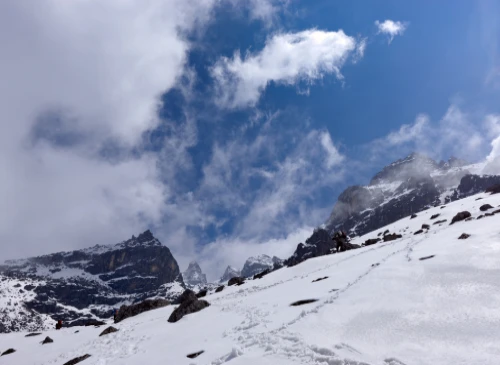
At a Glance
  • Duration9 Days
  • DestinationNepal
  • Difficulty Level Moderate
  • Max. AltitudeAnnapurna Base Camp (4,130 m)
  • Group Size1-20
  • Trip StyleTrekking
  • StartsPokhara
  • EndsPokhara
  • Best TimeMarch-May & Sept-December
Highlights
  • Rise before dawn and ascend to Poon Hill (3,210m). Watch in awe as the first rays of the sun ignite the snow-capped peaks of Dhaulagiri, Annapurna I, and the entire Annapurna Himalayan panorama.
  • Feel humbled and exhilarated as you finally step into the sacred glacial basin of ABC (4,130m).
  • This is a cultural trek as much as a scenic one. Take your time in traditional tea houses, and share smiles with locals in timeless villages.
  • After days of ascent, reward your muscles with a blissful soak in the natural riverside hot springs.
  • Enjoy ever-changing, close-up views of Nepal’s most iconic and sacred mountain, Machhapuchhre. Its distinctive fishtail summit guides your way, offering countless photo opportunities

Imagine a journey that begins with the first golden light of dawn spilling over a frosted sea of peaks and culminates in standing in the very heart of the mighty Himalayas, surrounded by a colossal amphitheater of ice and stone. This is not just a trek; it’s a curated passage through the soul of Nepal, blending iconic panoramas with intimate cultural encounters.

The trek to ABC via Poon Hill is our masterpiece itinerary, designed for those who refuse to choose between a breathtaking view and a transformative journey. We weave together the legendary Poon Hill sunrise, a panoramic spectacle over the Annapurna and Dhaulagiri, with the profound accomplishment of reaching Annapurna Base Camp (ABC) at 4,130 meters.

Your path will unfold like a story. You will trek through vibrant rhododendron forests that blush red in season, cross thrilling suspension bridges over rushing turquoise rivers, and step into the timeless traditions of Gurung and Magar villages. Each cup of milk tea in a cozy teahouse and each "Namaste" from a local child adds a stitch to the rich tapestry of your experience.

The crescendo arrives as you ascend the Modi Khola valley into the sacred sanctuary. While doing a Trek to ABC via Poon Hill, you are not just looking at the mountains; you are living within them. The towering walls of Annapurna I, Machhapuchhre (Fishtail), and Hiunchuli encircle you in a silent, awe-inspiring embrace, a moment of pure, humbling magic that stays with you forever.

We have crafted every step to ensure immersion, comfort, and safety. This trek is for the dreamer who yearns for postcard-perfect moments and the seeker who longs for authentic connection. It’s a challenging yet deeply accessible adventure that rewards you not just with altitude, but with attitude. A renewed sense of wonder for the world and your place in it.

Outline itinerary for trek to ABC via Poon Hill

Day

Route

Key Activity & Altitude

Trekking Time

Distance (Approx.)

1

Drive to Hile, Trek to Ulleri

Begin adventure; ascend stone steps to charming village. (2,070 m)

3–4 hours

~5 km

2

Trek from Ulleri to  Ghorepani

Trek through lush rhododendron forests to the famous viewpoint town. (2,850 m)

6–7 hours

~8 km

3

Hike to Poon Hill & back to Chuile

Sunrise at Poon Hill (3,210 m), then descend through the valleys to Chuile. (2,300 m)

7–8 hours

~12 km

4

Trek from Chuile to Sinuwa

Enter the Modi Khola valley and cross suspension bridges. (2,360 m)

6–7 hours

~11 km

5

Trek from Sinuwa to Deurali

Ascend into the alpine zone with closer mountain vistas (3,230 m)

7–8 hours

~9 km

6

Trek from Deurali to Annapurna Base Camp

Climax: Reach the sacred amphitheater of ABC (4,130 m).

4–5 hours

~6 km

7

Trek from ABC to Bamboo

Long descent through changing landscapes, retracing steps. (2,310 m)

6–7 hours

~13 km

8

Trek from Bamboo to Jhinu Danda

Optional side trip to natural hot springs. (1,780 m)

5–6 hours

~8 km

9

Drive from Jhinu Danda to Pokhara

Short trek to the roadhead; scenic drive to Lakeside Pokhara (820 m)

2–3 hrs trek + 3 hrs drive

~5 km trek

Note: Distances and times are approximate and can vary based on trail conditions, group pace, and weather.

Why trek to ABC via Poon Hill

Forget choosing between a sunrise and a summit. This legendary trek is the Himalayan equivalent of having your cake and eating it too—where every day serves a new, breathtaking slice of Nepal’s soul. The Annapurna Base Camp (ABC) trek via Poon Hill is a curated journey through the very heart of the Annapurnas, designed for those who crave depth, drama, and a story in every step.

So, why is this route the crown jewel of Nepalese trekking? Let us unravel the magic.

1. Poon Hill Viewpoint

Imagine this: You rise before dawn, wrapped in the mountain chill, and ascend to a panoramic theater in the sky. As the first golden light kisses the peaks, you’re treated to a 360-degree sunrise spectacle over the entire Annapurna and Dhaulagiri ranges. Poon Hill isn’t just a viewpoint; it’s your welcoming ceremony, a breathtaking prologue that fuels your spirit for the days ahead. This iconic moment, with its sea of flaming peaks, is a memory that stays etched in gold.

2. Village Vicinities

This trek is a journey through living culture, not just wilderness. From the bustling lakeside charm of Pokhara, you’ll walk into the warm hearths of Gurung and Magar villages like Ghandruk and Chhomrong. These are not just photo stops. Here, you’ll share a smile with locals, peek into ancient stone-built homes, and witness a way of life harmoniously woven into the mountain slopes. The rhythm of your days is set by the chime of goat bells, the scent of woodsmoke, and the genuine "Namaste" from children playing on terraced fields.

3. Mystic Landscapes

Prepare for landscapes that shift like chapters in an epic novel. Your path winds through vibrant rhododendron forests (ablaze with color in spring), across thrilling suspension bridges over roaring rivers, and into the serene, hushed world of the Bamboo and Himalayan Pine forests. As you climb, the terrain transforms into a majestic, alpine valley surrounded by soaring ice walls. This ever-changing scenery ensures that wonder is your constant companion, with each turn revealing a fresh, awe-inspiring canvas.

4. Machhapuchre Base Camp

Before reaching the grand finale, you’ll have a divine audience with the "Fishtail Mountain." Machhapuchre (6,997m) is considered sacred and unclimbed, its striking peak piercing the sky. Spending a night at its base camp is a spiritual interlude. You’ll stand in a silent, amphitheater-like valley, face-to-face with the mountain's sheer, awe-inspiring north face as the alpenglow sets it on fire at dusk. It’s a moment of profound humility and raw beauty.

5. Annapurna Base Camp

And then, you arrive. The culmination of your journey is the surreal amphitheater of Annapurna Base Camp (4,130m). Here, you are not just looking at the mountains; they surround you. The colossal south face of Annapurna I (8,091m) towers above you, with Annapurna South, Hiunchuli, and Machhapuchre forming a circle of giants. Waking up here to the sun illuminating these peaks is a transformative experience—a feeling of standing at the very center of the world’s grandeur.

When to trek to ABC via Poon Hill?

So, you’re dreaming of standing in the shadow of the mighty Annapurna massif, watching sunrise paint the Himalayas gold from Poon Hill, and trekking through ancient rhododendron forests. The next big question is: When should you go?

The journey to Annapurna Base Camp (ABC) via Poon Hill is spectacular year-round, but each season sings a different tune. Choosing the right time for your adventure is the key to an unforgettable experience. Here’s your essential guide to the seasons in the Annapurna Sanctuary.

Autumn & Spring

These are the classic, postcard-perfect seasons—and for good reason.

  • Autumn (Late September to November)
    This is arguably the king of trekking seasons. The monsoon has washed the skies crystal clear, offering staggering, unobstructed mountain views. The air is crisp, the days are sunny and pleasant for walking, and the nights are cold but manageable. Trails are dry and stable. It’s also a time of vibrant festivals like Dashain and Tihar, letting you peek into Nepal’s rich culture. (Be prepared for popular trails and teahouses to be bustling with fellow adventurers!)
     
  • Spring (March to Early May)
    If autumn is about clear skies, spring is a celebration of color. The hillsides explode with blooming rhododendrons (Nepal’s national flower) in shades of red, pink, and white. The weather is warming, days are longer, and the mountain vistas are still magnificent (though some afternoon haze can build up later in the season). It’s a fantastic time for photographers and nature lovers.

Why we love it: Predictable weather, epic views, and a lively trekking atmosphere. This is the "sure thing" for first-time trekkers and veterans alike.

Winter (December to February)

For those who crave solitude and don’t mind the cold, winter holds a unique magic.

  • The Reward: You’ll have trails and teahouses largely to yourself. The skies are often profoundly clear, and the snow-dusted peaks against the deep blue sky are breathtaking.
     
  • The Consideration: It gets cold, especially at higher elevations like ABC. Mornings can be frosty, and some higher passes may see snow, requiring proper gear and preparation. Teahouses are simpler, and some may close in the quieter areas.
     

Perfect for: Solitude seekers, experienced trekkers with cold-weather gear, and those chasing pristine, crisp mountain photography.


Your Himalayan story begins not with a step, but with a ride. After an early breakfast in Pokhara, we swap lake views for a scenic 2.5-hour drive through rolling hills and terraced farmlands to the village of Hile—your true trailhead. The air here is already fresher, scented with pine and earth.

The Trek (3-4 hours): The morning walk is a gentle introduction, a downhill amble alongside the rushing Modi Khola River. You'll cross your first suspension bridge, its cheerful prayer flags fluttering in the breeze, and pass through the tidy village of Tikhedhunga for a welcome lunch.

Then comes the famous rite of passage: the Ulleri Staircase. Yes, it's about 3,300 stone steps carved into the mountainside. But don't let the number daunt you. We take it "Bistari, Bistari" (slowly, slowly in Nepali), in the true trekker style. With each steady climb, the world opens up. Terraced fields give way to lush forests, and over your shoulder, glimpses of the valley below paint a picture of how far you've already come. The steps are a rhythm, a meditation.

Tonight's Reward: Arriving in Ulleri, a proud Magar village clinging to the hillside, you're welcomed with a hot drink. Step onto the lodge terrace as the afternoon sun dips, and there they are: your first unobstructed, majestic views of Annapurna South and Hiunchuli, their snow-capped peaks glowing in the golden hour. It's your first real "I'm here" moment.

  • Max. Altitude:2,070 m
  • Accommodation:Teahouse lodge
  • Meals:Breakfast, Lunch, Dinner

Wake up to the sound of distant donkey bells and the sight of mountains framed by your window. Today’s 6-7 hour trek is a journey through one of Nepal’s most beautiful landscapes.

The Trek: We leave the stone steps behind for a trail that climbs more gently through enchanting oak and rhododendron forests. If you're here in spring (March-April), you'll walk under a canopy of fiery red, pink, and white blooms—it feels like a celebration. The forest is alive with birdsong. We'll stop for tea at small clearings, sharing the path with local porters whose resilient smiles are humbling.

As we climb, the air grows crisper. The forest occasionally breaks to reveal ever-expanding views. Our lunch spot at Banthanti is cozy, often warmed by a wood stove. The final push to Ghorepani brings a sense of arrival. Ghorepani ("Horse Water") is a bustling trekking crossroads, a cluster of lodges on a high ridge.

Tonight's Anticipation: The energy here is palpable. Trekkers from all over the world share stories, their headlamps at the ready for tomorrow's pre-dawn pilgrimage. As dusk falls, the western sky often puts on a show behind the towering profile of Dhaulagiri (8,167m), the world's 7th highest peak. You go to sleep excited, setting an alarm for the magic hour.

  • Max. Altitude:2,850 m
  • Accommodation:Teahouse lodge
  • Meals:Breakfast, Lunch, Dinner

We rise in the quiet dark, wrap up in every layer, and by the light of our headlamps, join a silent procession of fellow trekkers on the hour-long climb to Poon Hill (3,210m). The chilly air is charged with anticipation.

The Hike Moment: As the first light cracks the eastern horizon, it touches the tip of Dhaulagiri, then spills like liquid gold across the entire Annapurna Range. You are in a 360-degree Himalayan theater. The sunrise from Poon Hill is not just a view; it's an experience. The silent awe, the chorus of camera shutters, the shared cups of hot tea sold by enterprising locals—it's a memory etched forever. Take your time. Watch the colors change on Machhapuchhre (Fishtail), Annapurna I, and the countless peaks you now know by name.

The Long, Rewarding Descent (7-8 hours total): After a hearty breakfast back in Ghorepani, we begin a long, beautiful day of descent and new ascent. We drop steeply through more magical forest to Banthanti and Sikha, entering a different cultural zone. After lunch, we cross the mighty Kali Gandaki Gorge on a long suspension bridge and begin a steady, sun-drenched climb out the other side.

Today's Finale: The last hour brings you to Chuile (or sometimes Chitre), a quieter village with a dramatic new perspective. You are now staring directly up at the colossal face of Annapurna South, its glacial ice catching the last of the sunset light. You've crossed a major geographical divide, and the Annapurna Sanctuary feels tangibly closer. Your legs may be tired, but your camera roll and your spirit are full.

  • Max. Altitude:3,210 m
  • Accommodation:Teahouse lodge
  • Meals:Breakfast, Lunch, Dinner

You wake to Annapurna South filling your window—a monumental start to a transformative day. Today, we officially enter the gates of the Annapurna Sanctuary.

Morning Descent (3 hours): We begin with a gentle downhill walk through terraced fields, the morning light softening the landscape. The distant roar of water grows louder as we approach the Modi Khola River. Crossing the long suspension bridge at New Bridge feels symbolic—you're leaving the more populated trail behind. A gradual climb through forests brings us to the sprawling village of Jhinu Danda (we'll return here later for hot springs!).

The Gateway: Chhomrong (2-3 hours from Jhinu): The trail climbs steadily to Chhomrong, the last major settlement in the valley. This stunning Gurung village clings to the hillside in terraced perfection. We'll stop here for a substantial lunch at a lodge with one of trekking's iconic views: the thatched roofs of the village framed perfectly by the colossal peaks of Annapurna South and the holy Machhapuchhre (Fishtail). Chhomrong is the gateway. Beyond it lies the protected area of the Sanctuary.

The Final Push to Sinuwa (1.5 hours): After lunch, we face the day's biggest challenge: the "Chhomrong Staircase." A steep, seemingly endless stone descent to the river is followed immediately by an equally steep climb up the other side of the valley. Take it slow—this is the last major down-and-up of the trek. Your reward? Reaching Sinuwa, perched on the ridge, where you finally feel inside the deep gorge. The air is cooler, the forests are denser, and the sense of entering a sacred, enclosed space is profound. As dusk falls, listen to the Modi Khola thundering in the abyss below—your constant companion from now on.

  • Max. Altitude:2,360 m
  • Accommodation:Teahouse lodge
  • Meals:Breakfast, Lunch, Dinner

Today's trek is less about distance and more about raw, geological immersion. We trek deeper into the ever-narrowing Modi Khola gorge, a true mountain cathedral.

The Enchanted Forest (2.5 hours): We descend from Sinuwa into a serene, shaded world of bamboo, rhododendron, and oak. The path is soft underfoot, the air moist and fragrant. Sunlight filters through the canopy as we cross streams on mossy stones. This is Himalayan rainforest at its most peaceful. We'll take tea in Bamboo, a aptly named cluster of lodges, feeling worlds away from everything.

The Landscape Transforms (3-4 hours): Past Bamboo, the forest begins to thin. The valley walls start to close in, becoming sheer cliffs of black and gray rock. You'll walk alongside spectacular waterfalls that cascade hundreds of meters down from unseen glaciers above. The sound is deafening, the spray refreshing. The trail now involves some rocky, undulating sections—you're navigating the ancient moraine of the glacier. Places like Dobhan and Himalaya Hotel are simple lodges that feel like outposts in this wild landscape.

Arrival at Deurali (1 hour): The final climb to Deurali is short but leaves you breathless—both from the altitude and the view. You are now in a vast, U-shaped amphitheater of rock and ice. The air is noticeably thinner and colder. Deurali itself is a handful of basic lodges huddled together for shelter. Standing outside as the sun disappears behind the towering peaks, you feel thrillingly small. The mountains no longer feel like a distant view; they feel like walls encircling you. This is your high camp, a place of stark beauty and quiet anticipation for tomorrow's finale.

  • Max. Altitude:3,230 m
  • Accommodation:Teahouse lodge
  • Meals:Breakfast, Lunch, Dinner

This is it. The day you walk is a week to experience. A shorter trek in hours, but an immense journey in spirit.

The Silent March to Machhapuchhre (2.5 hours): We start early, wrapped in layers, moving steadily up the valley. The trail is rocky and follows the lateral moraine. To your left, the Himalayan "Bombax" flowers cling to life in the scree. The only sounds are your breath, your boots on stone, and the occasional distant rumble of an avalanche. The gorge funnels you forward until, suddenly, you round a corner and the valley widens dramatically at Machhapuchhre Base Camp (MBC). The Fishtail Mountain stands before you in all its sharp, guarded glory—a breathtaking, almost spiritual sight. We pause here for hot tea, acclimatizing and soaking in the surreal surroundings.

The Final Walk into the Sanctuary (1.5 hours): Fueled by tea and adrenaline, the last stretch is pure magic. The path levels out as you enter the wide, flat basin of the Annapurna Sanctuary. You are now walking on ancient glacial silt, surrounded by a horseshoe of the world's greatest peaks: Annapurna I (8,091m), Annapurna South, Gangapurna, the terrifying Fang, and more. With each step, more of the amphitheater reveals itself. The sense of scale is almost impossible to process.

Arrival at Annapurna Base Camp: And then, you see the stone monuments and prayer flags. You've arrived. ABC isn't a camp in the traditional sense; it's a destination, a feeling. You'll drop your pack and simply stand in awe. The afternoon is yours to absorb this triumph—watching the light dance on the glaciers, feeling the sun's thin warmth, and sharing silent camaraderie with the few others who have made this pilgrimage. As the sun sets, the peaks glow alpenglow pink, then fade into a sky of impossible stars. You fall asleep in a simple lodge room, surrounded by the sleeping giants, at the very heart of the Himalayas. You made it.

  • Max. Altitude:4,130 m
  • Accommodation:Teahouse lodge
  • Meals:Breakfast, Lunch, Dinner

You wake in the cold, thin air of the Sanctuary to a sight few in the world will ever see: the first rays of sun igniting the summit of Annapurna I in fiery orange. It's a silent, private show just for those who spent the night here. After a final, lingering breakfast surrounded by the amphitheater of giants, we shoulder our packs for the last time in this sacred space. Today is a long descent—not just in altitude, but in emotion.

Retracing Our Steps with New Eyes (7 hours): We begin the steady walk down, retracing yesterday's path through the glacial basin and past MBC. The perspective is entirely different going down. What felt like an epic approach now feels like a gradual farewell. The mountains seem to watch you leave. We stop for lunch back in the relative warmth of Deurali or Himalaya Hotel, where the air already feels richer with oxygen. The afternoon is a rhythmic, almost meditative, descent through the stone cathedral gorge, past the thundering waterfalls, and back into the embrace of the enchanted green forest around Bamboo.

Tonight's Feeling: Arriving in Bamboo feels like returning to a familiar, cozy room. The air is thick, fragrant, and warm. The fatigue in your legs is a sweet ache—a trophy from the heights. There's a palpable sense of shared accomplishment among the trekkers here, all on their way down. The conversation is easy, the laughter comes freely. You sleep deeply, lulled by the sound of the river instead of the wind, the hardest climb now firmly behind you.

  • Max. Altitude:2,310 m
  • Accommodation:Teahouse lodge
  • Meals:Breakfast, Lunch, Dinner

The final full day on the trail is a gift of descending rhythm and a legendary reward. The forest feels like an old friend as we make our way down through Sinuwa and begin the last major climb of the trek: the ascent out of the valley to Chhomrong.

The Last Big Climb (2.5 hours to Chhomrong): The famous Chhomrong Staircase, which felt so daunting on the way up, now serves as your final physical challenge. You tackle it with stronger legs and a lighter heart, pausing to look back one last time at the narrow gorge that leads to the Sanctuary—your secret now.

A Celebratory Lunch in Chhomrong: We stop in Chhomrong for a triumphant late lunch. Sitting on the sunny terrace, looking back at the path you've conquered, you'll feel a deep sense of closure. From here, the trail changes direction, leading away from the high peaks and toward comfort.

The Divine Reward (1.5 hours to Jhinu): A steep, descending side trail leads us off the main ridge. And then you hear it—the cheers and laughter from below. You've arrived at the natural hot springs of Jhinu Danda! Tucked beside the roaring Modi Khola River, these rock pools are trekker heaven. Slipping into the warm, mineral-rich waters is a sensation you've dreamed of for days. Soaking your muscles, sharing stories with fellow trekkers under the open sky, you realize this isn't just a bath; it's a ritual of celebration and healing. The evening is relaxed, filled with the easy contentment of a journey nearly complete.

  • Max. Altitude:1,780 m
  • Accommodation:Teahouse lodge
  • Meals:Breakfast, Lunch, Dinner

The last morning on the trail is a gentle, reflective walk. After breakfast, we take a peaceful, downhill path through villages and terraced fields, the massive peaks now a beautiful backdrop rather than the encompassing goal. The air grows warmer; the sounds of chickens and motorbikes replace bird calls—we're returning to the world.

The End of the Trail (2-3 hour trek): We reach the roadhead at Nayapul or Siwai. Here, you'll take off your trail-worn shoes for the last time and step into our waiting vehicle. There are handshakes and heartfelt "dhanyabads" (thank yous) for your guide and porters—the team that made your journey possible.

The Drive Back to Pokhara (1.5 hours): The drive is a blur of green hills and familiar roads. And then, suddenly, you see the gleam of Phewa Lake. You're back in Pokhara. The hot shower waiting at your hotel will feel like a luxury beyond compare. That first cold drink by the lake, the soft bed, the choice of any food you want—it all feels surreal.

But as you look north, beyond the lake, you'll see the faint, hazy silhouette of the Annapurna range. And you'll know, with a quiet smile, that just days ago, you were sleeping in its very heart. The trek ends, but the story—the sense of peace, the resilience you found, the perspective you gained—that becomes a part of you. Welcome back, adventurer. You've earned this rest.

  • Max. Altitude:820 m
  • Accommodation:Teahouse lodge
  • Meals:Breakfast, Lunch, Dinner

Service Details

Includes

Transportation & Transfers

  • International airport pick-up and drop-off by private vehicle.
  • All land transportation: Kathmandu-Pokhara-Kathmandu by tourist bus.
  • Drive to Hile and back from Jhinu to Pokhara

Food and Accommodation

  • Two nights’ standard accommodation in a 3-star hotel in Pokhara (twin-sharing) with breakfast.
  • Trekking lodge (Tea House) accommodation throughout the trek.
  • Three meals daily (Breakfast, Lunch, Dinner - main course) during the trek.
  • Seasonal fresh fruits are provided every day after dinner during the trek.

Trekking Crew & Support

  • An experienced, government-registered, English-speaking trekking guide.
  • Strong Sherpa porters (1 porter for 2 clients), including their salary, food, accommodation, insurance, and safety equipment.
  • An assistant guide for groups larger than 8 people.
  • All food, accommodation, insurance, and transportation for the guide and porter(s).

Permits & Documentation

  • Annapurna Conservation Area Permit (ACAP).
  • All government taxes, local taxes/VAT, and official expenses.

Equipment & Gear

  • Use of a sleeping bag, down jacket, and duffel bag (to be returned after the trip).

Safety & Recognition

  • Emergency rescue operation assistance (to be coordinated and funded by your travel insurance).
  • An appreciation certificate after the successful trek.
  • A complimentary Hiking adventure treks company T-shirt.
Excludes
  • International flight tickets
  • Nepal entry visa
  • Travel and health Insurance which covers emergency Rescues and evacuations
  • During trekking time, personal expenses, snacks, alcoholic and non-alcoholic beverages, coke, juice, bottled and hot water, WI-FI, battery charging, and hot shower.
  • Food and Accommodation in Kathmandu
  • Tips for the trek guide and porter (it is appreciated)
Dates & Availability
Select a Departure Month
DateJan 29, 2026 - Feb 06, 2026
PriceUS$0
AvailabilityAvailable
Essential Information

Annapurna Base Camp Trekking permit costs

Let’s talk logistics, but in plain English. Permits can sound like boring paperwork, but they are actually your ticket to a responsible and protected adventure. Think of them as your contribution to preserving the very beauty you’ve come to see.

We handle the details; you just bring your passport. As part of your package, we take care of securing the two essential permits required for your trek:

The Annapurna Conservation Area Permit (ACAP):  ACAP is a direct investment in the trails you will walk and the forests you will wander through. The fee for ACAP will be NPR 3000 for foreigners and NPR 1000 for the SAARC countries. The funds go towards conservation projects, trail maintenance, and supporting local communities in the region. You are not just visiting; you are helping to preserve this sanctuary.

Our promise: No confusing government offices, no waiting in lines. We will have all the necessary permits ready for you before your first step on the trail. All costs are included. Your only job is to remember to pack that passport and a smile for your permit photos.

Altitude Sickness

Let’s have an honest chat about altitude. It’s the most important factor in any Himalayan trek, and respecting it is the key to your enjoyment and safety. Altitude sickness (or Acute Mountain Sickness) isn’t about fitness; it’s about how your body adapts to less oxygen. The good news? With a smart approach, it’s almost always manageable.

Go slow to go high. This isn’t a race. It’s a mindful journey of acclimatization. Our entire itinerary is designed to let your body adjust gently. We climb at a measured pace, include crucial rest days, and plan overnight stops at strategic elevations.

Your guide is your personal mountain guardian. They are trained to spot the early signs of AMS, persistent headaches, unusual fatigue, nausea, dizziness, or loss of appetite. They will check in with you daily and guide you on three vital rules:

  1. Hydrate like it’s your job: Drink 3-4 liters of water daily. Herbal teas and soups count! Avoid alcohol and too much caffeine.
     
  2. Listen to your body, not your ego: This is the most important rule. If you feel off, speak up immediately. We are a team.
     
  3. Walk "Bistaare-Bistaare" (Slowly-Slowly): Adopt the local mantra. A steady, rhythmic pace wins the day.

What we do to keep you safe: We always carry a comprehensive first-aid kit for emergencies. We have clear, practiced protocols for descent if needed, which is the fastest and most effective cure.

Remember: Everyone adjusts differently. Feeling a slight headache on the first night at a new altitude is common. The goal is to manage it, not fear it. By trekking with us, you have an experienced team dedicated to making your ascent not just successful, but joyful. We climb smart, so you can soak in every incredible moment.

Annapurna Base Camp trek difficulty

Think of this not as a superhuman feat, but as a profound conversation between your spirit and the mountain. The ABC Trek via Poon Hill is graded moderate to challenging, and that honesty is key to your success. It’s a physical and mental journey that demands respect but generously rewards every ounce of effort.

What Makes It Challenging?
The trail is a living entity; you’ll climb ancient stone staircases built into hillsides, descend into river valleys, and traverse rugged paths carved by time. The famous "Nepali flat" is real: it’s rarely just flat! Over 7-10 days. You will gain and lose significant altitude, with the final push to Base Camp (4,130m) being a true test of your acclimatization. The distance and daily walking (typically 5-7 hours) require stamina.

Who Can Do This?
You! If you have a good base level of fitness, a determined mind, and have prepared. You don’t need to be an athlete, but you should be comfortable with long day hikes in your home terrain. The best training is walking, especially on hills or stairs, mixed with cardio like swimming or cycling. The mountain doesn’t care how fast you go, only that you keep going—and our guides master the art of the steady, sustainable "pole pole" pace.

The Great Equalizer: Time & Acclimatization
This is where our expertise shines. Our itinerary is meticulously crafted with built-in acclimatization days. These aren’t rest days so much as "active adaptation" days—short, exploratory hikes that let your body adjust to the altitude safely. This smart pacing is your secret weapon, turning a daunting climb into an achievable, joyful ascent. The difficulty is part of the story, and standing at ABC, you’ll look back at every hard-won step not with exhaustion, but with deep, personal pride.

Accommodation and Food

Forget sterile hotels; your home in the Himalayas is the iconic Tea House. More than just lodging, these family-run guesthouses are the warm, beating heart of the trail, offering a unique blend of simplicity, camaraderie, and stunning vistas.

Your Mountain Home: Tea House Living

Rooms are clean, basic, and authentic—typically twin wooden beds with a thick blanket. Think cozy, not luxurious. The real magic happens in the common dining room, a sanctuary of warmth where trekkers from around the world share stories over steaming drinks. Here, beneath the glow of solar lamps, friendships are forged over maps and cups of ginger tea. While most tea houses now offer attached bathrooms at lower elevations, be prepared for shared facilities higher up. It’s all part of the authentic, communal adventure. (We include a warm sleeping bag to ensure your comfort on chilly nights!).

The Flavor of the Trail: Dal Bhat Power, 24 Hours!
Mountain cuisine is delicious, carb-rich fuel designed for adventurers. The undisputed king of the menu is Dal Bhat Tarkari, a generous platter of lentil soup, rice, vegetable curry, and often spinach and pickle. It’s famously "all you can eat," and the local saying goes, "Dal Bhat power, 24 hours!"

Your Menu in the Mountains:

  • Breakfast: Warm porridge, Tibetan bread with honey, or a stack of pancakes to start your day.
     
  • Lunch & Dinner: Beyond Dal Bhat, enjoy hearty noodle soups, momos (steamed or fried dumplings), pastas, and even surprisingly good pizza.
     
  • Hydration: Drink, drink, drink! Sip on lemon ginger honey tea (a natural altitude helper), mint tea, or hot lemon water. We provide purified water throughout.

This is sustenance for the soul as much as for the body. A hot meal in a cozy lodge after a day of walking amidst giants isn’t just dinner; it’s a ritual of well-earned satisfaction.

Travel Insurance 

Think of travel insurance not as an extra checkbox, but as your most important piece of trekking gear, one you hope never to use but cannot go without. In the remote and high-altitude environment of the Annapurnas, it is your essential safety net. Comprehensive insurance that specifically includes emergency helicopter evacuation is an absolute, non-negotiable requirement for this trek.

Why is it so critical? While our routes are carefully planned and our guides are experts in mountain safety, the terrain is unpredictable. A slip on a trail or a case of severe altitude sickness can require a swift evacuation to a medical facility, which in the mountains is only possible by helicopter. You must ensure your policy explicitly covers trekking activities up to at least 5,500 meters (Annapurna Base Camp is 4,130m). This coverage ensures that in the rare event of a serious health issue, a rescue can be arranged without devastating delay or financial burden. Please bring a copy of your policy and emergency contact details. We are here to assist in coordinating any necessary response, but the financial responsibility must be covered by your insurance. Trek with confidence, knowing you are fully protected.

Related Trip for Trek to ABC via Poon Hill

Leaving Annapurna doesn't have to mean the adventure ends. Sometimes, reaching base camp just makes you want to see more.

Did the mighty Machapuchare capture your heart? Then let us introduce you to the Mardi Himal Trek. It's like a secret path. Quieter and shorter than ABC, it offers breathtaking, up-close views of the peak. It’s perfect for anyone wanting a more intimate mountain experience.

Short on time, but not on dreams? The Ghorepani Poon Hill Trek is your perfect choice. In just 4-5 days, you will experience the legendary Himalayan sunrise from Poon Hill. You will walk through beautiful rhododendron forests and charming villages. It’s the ideal snapshot of Nepal's magic.

And for those who feel truly called? There's the ultimate journey: the Annapurna Circuit. This isn't just a trek; it's a life-changing expedition. Over 2-3 weeks, you'll circle the entire Annapurna range. You'll cross the legendary Thorong La Pass and witness landscapes that shift from green foothills to a high, Tibetan-style desert. It is the classic adventure for a reason.

Why you should book a HAT trips?
  • Hiking Adventure Staff are loved and cared
    Hiking Adventure Staff are loved and cared

    Hiking Adventure Team is committed to a supportive and enabling working environment. We continue to invest in comprehensive training for our team, with the goal to foster an excellent working atmosphere. We believe that motivated, capable employees are crucial for reaching our shared objectives while providing valuable benefits to the community at large.

  • We Help You Plan Your Journey
    We Help You Plan Your Journey

    We offer you your dream adventure in trekking and tours around Nepal, Bhutan, India, and Tibet. From the thrilling high mountain expeditions to the charm of ancient landmarks and the richness of cultural experiences, we plan the best for your journey.

  • Quality Travel Service Since 2011
    Quality Travel Service Since 2011

    Planning a trip to Nepal? We have been offering premium travel experiences, expert guidance combined with immersive adventure since 2011. From thrilling trekking routes to enriching cultural tours, we promise authentic journeys that leave a mark on your soul.

  • We help build Community-Driven Social Responsibility
    We help build Community-Driven Social Responsibility

    We promote community-based social responsibility through capacity building programs, job creation, and empowerment initiatives. Our customer trust-driven approach cultivates friendships and sustains our thriving travel community.

Confused about what to choose? Contact us!

We are a team of experts in Nepal Travel Industry with over fifteen years of experience. Let's together plan a wonderful holiday for you. Contact us to discuss further for an amazing Travel Itinerary.