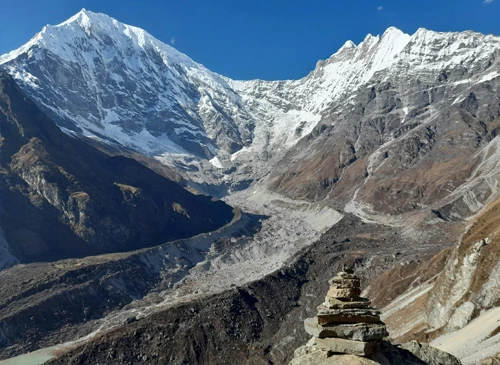
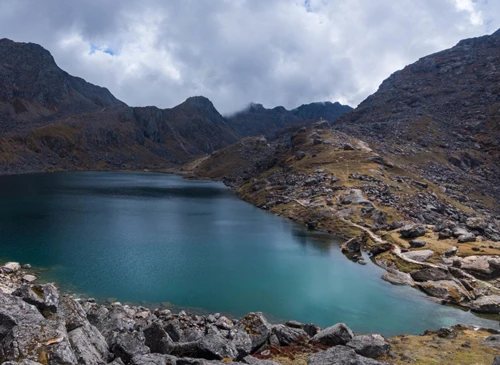
The Langtang trekking offers some of the best trekking routes just north of Kathmandu in Nepal's enchanting Langtang Region. Helambu, located in central Nepal, boasts a picturesque landscape adorned with famous mountains that capture the imagination. Marvel at the majestic Langtang Lirung, standing proudly at 7,246 meters, and the awe-inspiring Gang Chenpo reaching heights of 6,388 meters. Naya Kangri at 5,846 meters and Dorje Lakpa at 6,966 meters further enhance the captivating allure of this region. Moreover, the holy shrine of Gosainkunda, perched at an elevation of 4,000 meters, attracts pilgrims and trekkers alike, adding to the region's cultural and spiritual significance.
Situated in the heart of the Langtang National Park, the beautiful tourist village of Helambu is a haven for hiking enthusiasts. It offers a gateway to explore the breathtaking natural wonders that surround it. The main trekking season in Helambu typically spans from the first week of August to December, attracting a multitude of visitors. The presence of tourists remains high until March-May, following the end of winter.
At the core of this region lies the renowned Langtang Valley Trek, an adventure that takes you from the valley’s depths to the summit of Kyangin Ri. Traverse the enchanting landscapes, pass through the Tilman Pass at 5,308 meters in the Greater Himalaya Footpath, and be rewarded with breathtaking views of the neighboring Tibetan region.
As you journey through the Langtang Valley, prepare to be captivated by the stunning sights that unfold before your eyes. Marvel at the grandeur of glaciers and meandering rivers, traverse lush green fields, and encounter cheese factories that produce the region’s famed dairy products.
The cultural fabric of the Helambu-Langtang region is a tapestry woven with diverse communities. While the Tamangs predominantly inhabit this area, the Sherpas and Newars also leave their imprint on the cultural landscape. This harmonious blend of different castes, religions, customs, and sects creates a vibrant tapestry of traditions and heritage.
Major attractions of the Langtang Region
Langtang’s magic lies in its diverse attractions, compactly housed within a single trekking circuit.
- Kyanjin Gompa & Kyanjin Ri: The spiritual and scenic heart of the valley. The ancient monastery offers a peaceful retreat, while the hike up Kyanjin Ri (4,773 m) provides a 360-degree panoramic view of Langtang Lirung, Kimshun, and surrounding giants—a sunrise here is unforgettable.
- Langtang Glacier & Lirung Glacier: Trekking through the upper valley brings you face-to-face with these massive, ancient rivers of ice. The stark, powerful landscape is awe-inspiring.
- Tsergo Ri (4,984m): For the more adventurous, this is one of the highest standalone viewpoints in the region, offering possibly the most comprehensive vista of the entire Langtang Himal range.
- Sacred Lakes: Gosainkunda Lake (4,380m): While part of a longer route, this alpine lake is a major pilgrimage site. Surrounded by rugged peaks and dotted with smaller lakes, it's considered sacred to both Hindus and Buddhists. The annual Janai Purnima festival sees thousands of devotees making the journey.
- Langtang National Park: The park is a biodiversity hotspot. Trekking through it, you’ll traverse lush rhododendron and bamboo forests teeming with wildlife like the red panda (elusive but present!), Himalayan thar, langur monkeys, and over 250 species of birds.
- Local Cheese Factories: The Swiss-funded Yak Cheese Factory in Kyanjin is a charming and tasty attraction. Sampling fresh yak cheese and yogurt is a must-do local experience.
The Himalayas of the Langtang Region
The skyline of Langtang is dominated by majestic, snow-clad peaks that form the border with Tibet. The range is less about a single famous summit and more about a breathtaking, continuous wall of mountains.
- Langtang Lirung (7,227m): The reigning monarch of the region, its imposing south face dominates the view for much of the trek.
- Dorje Lakpa (6,966m): Known as the "Supreme Thunderbolt," its sharp, ridged peak is a distinctive feature.
- Ganchempo (6,387m): A stunning, multi-faceted peak.
- Naya Kanga (5,844m): A popular peak for expedition climbing.
- Yala Peak (5,500m): A favorite "trekking peak" for those wanting to try a technical climb with basic ice axes and crampons.
Unlike the Khumbu, views here are intimate—you feel enveloped by the mountains, standing at the very base of these colossal structures without the need for weeks of approach.
People and Culture of the Langtang Region
The cultural fabric of Langtang is rich and distinct. The valley is primarily inhabited by Tamangs, an indigenous community with Tibetan origins. Their culture, language, and religion are closely linked to Tibet, offering a glimpse into a traditional Himalayan way of life.
- Warm Hospitality: Known for their welcoming smiles, the Tamang people run most of the cozy teahouses along the trail. Staying with them is a cultural experience in itself.
- Buddhist Heritage: The landscape is dotted with mani walls (stone tablets inscribed with prayers), chortens (stupas), and prayer flags fluttering in the wind. The monasteries in Kyanjin and Langtang Village are active centers of faith and community.
- Traditional Villages: Visit villages like Mundu or Langtang Village (beautifully rebuilt after 2015) to see traditional stone houses, intricate woodwork, and locals in traditional bhakkhu (Tamang dress) going about their daily lives of farming, herding yaks, and weaving.
- Festivals: If your timing is right, you might experience local festivals like Losar (Tibetan New Year) or Dashain, filled with dance, music, and ritual.
How to get to the Langtang Region?
The accessibility is a key advantage.
- To the Trailhead:
- Drive from Kathmandu: A 7-8 hour scenic (and bumpy) road trip by jeep or local bus to Syabrubesi. This journey itself is an adventure, winding through Trisuli River valleys and hillside villages.
- Option: Shivapuri-Syabrubesi Trek: For purists, a multi-day trek from Kathmandu's Shivapuri National Park leads all the way to Syabrubesi.
- Permits: You need two permits:
- Langtang National Park Entry Permit: Can be obtained in Kathmandu at the Nepal Tourism Board or at the park checkpoint in Dhunche.
- Guides & Porters: While it's possible to trek independently, hiring a local guide ensures safety, supports the local economy, and enriches your understanding of the culture and environment. Porters can help carry your load.
Trekking Routes of Langtang
The region offers flexible itineraries for different timeframes and fitness levels.
- The Classic Langtang Valley Trek (7-10 days):
- Route: Syabrubesi > Lama Hotel > Langtang Village > Kyanjin Gompa > Return.
- Highlights: Perfect introduction. Offers forests, villages, glaciers, and high viewpoints (Kyanjin Ri). Ideal for most trekkers.
- Langtang-Gosainkunda-Helambu Circuit (12-18 days):
- Route: Extends from Kyanjin over the Laurebina La Pass (4,610m) to the sacred Gosainkunda Lakes, then descends through the serene Helambu region to end at Sundarijal, near Kathmandu.
- Highlights: A more challenging and complete experience combining high-altitude lakes, a tough pass, and cultural diversity (Tamang to Hyolmo).
- Tamang Heritage Trail (7-9 days):
- Route: A cultural trek starting and ending in Syabrubesi, looping through traditional Tamang villages like Gatlang, Tatopani (with natural hot springs), and Briddim.
- Highlights: Focuses on homestay experiences, cultural immersion, and lower altitudes, with fantastic mountain views throughout.
- Helambu Trek (5-7 days):
- A shorter, lower-altitude trek starting near Kathmandu, showcasing the culture of the Hyolmo people and beautiful valleys, often combined with Langtang.