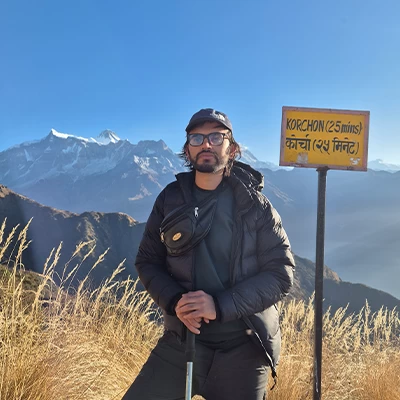
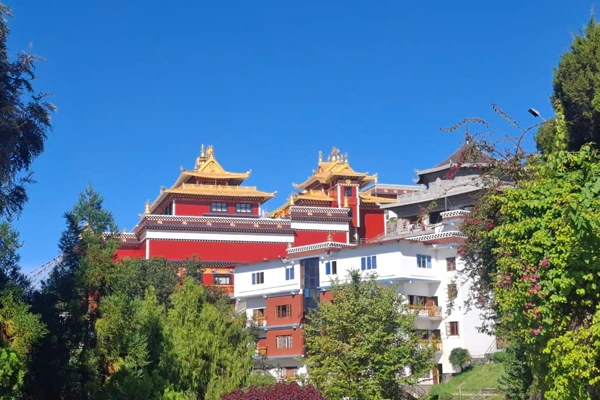
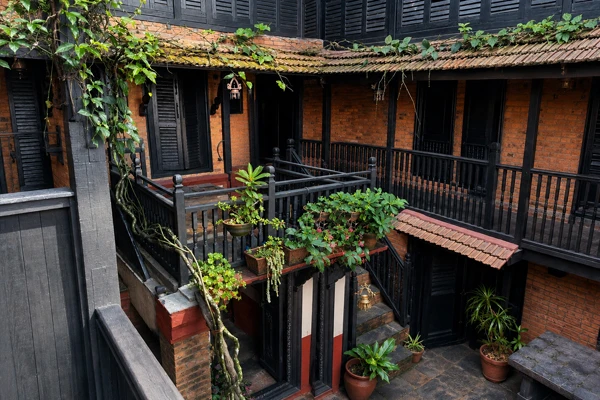
Geographical and Historical Context of Samagaun Village
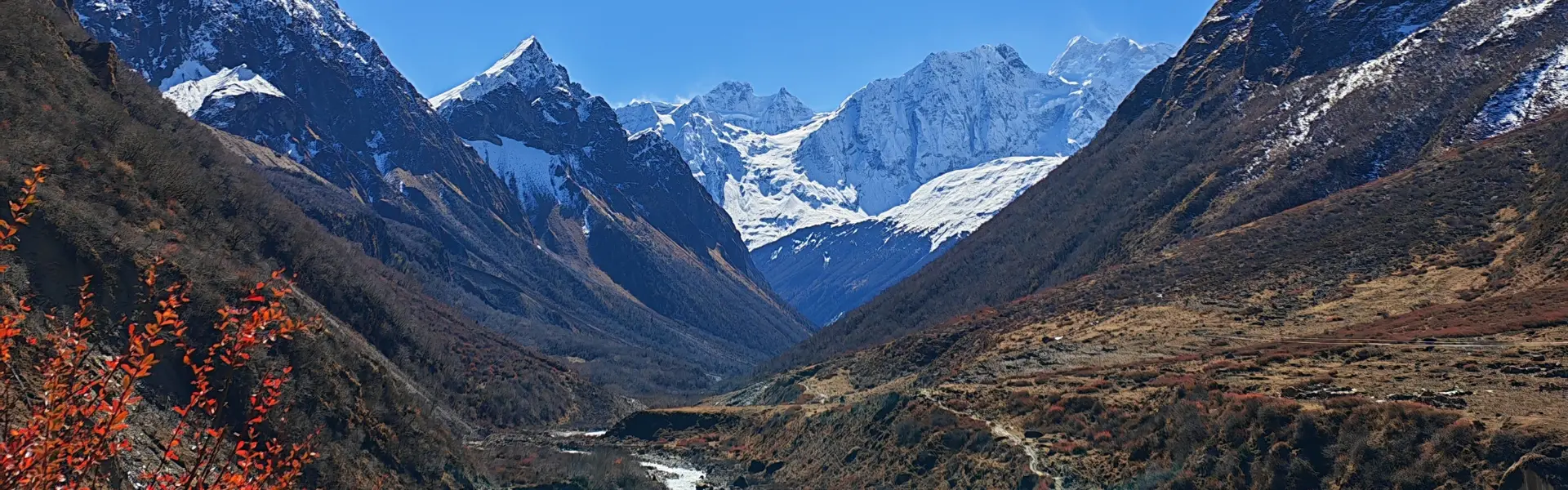
Samagaun Village sits in a breathtaking valley surrounded by the towering peaks of the Manaslu Himalaya range, including Manaslu (8,163 m). The village lies along the Budhi Gandaki River, a vital water source that shapes the rugged terrain of the region. Its remote location, deep in the Manaslu Conservation Area, has preserved its pristine landscapes, with alpine forests, glacial streams, and dramatic mountain vistas defining its geography.
Historically, Samagaun has been a cultural and trade hub for the Nubri people, an ethnic Tibetan community that migrated to this region centuries ago. Isolated by harsh terrain, the village developed a unique blend of Tibetan Buddhism and animist traditions, reflected in its ancient monasteries, chortens, and prayer flags that dot the landscape. Once a stop on the salt trade route between Tibet and Nepal, Samagaun has evolved into a crucial acclimatization point for tourists during the Manaslu Circuit Trek.
The Journey to Samagaun
The adventure to Samagaun begins in Kathmandu, where travelers take a scenic 7-8 hour drive to Machha Khola. From here, the trail winds through lush subtropical forests, terraced fields, and traditional Gurung and Magar villages, offering glimpses of rural Nepali life. The first few days follow the roaring Budhi Gandaki River, crossing suspension bridges adorned with prayer flags and passing through the charming village of Jagat. As the altitude increases, the landscape shifts to pine and rhododendron forests, with cascading waterfalls and glimpses of snow-capped peaks in the distance.
By the time you reach Deng (1,860 m), the air grows cooler. You will notice that a Tibetan cultural influence becomes more apparent. The trail then ascends steeply to Namrung (2,630 m), where breathtaking views of Manaslu and Himalchuli unfold. This leads you through alpine meadows and past ancient Buddhist stupas before reaching Lho Gaon (3,180 m). The final push to Samagaun (3,530 m) is a mix of gentle ascents and rocky trails, with the mighty Manaslu looming overhead.
The journey is both physically demanding and spiritually enriching, blending rugged Himalayan terrain with rich cultural encounters. Since the region is restricted, you must obtain a special permit and be accompanied by a licensed guide, adding to the sense of adventure. Whether on foot or (for those short on time) via a helicopter tour from Kathmandu, reaching Samagaun is an unforgettable experience, offering a true escape into Nepal’s wild and mystical highlands.
Weather in Samagaun
Samagaun experiences a cold, alpine climate with dramatic seasonal variations. Due to its high elevation, temperatures remain cool year-round. Weather conditions shift significantly between seasons, impacting trekking plans and daily life in the village.
Spring (March to May)
Spring is one of the best times to visit Samagaun, with mild daytime temperatures ranging from 0°C to 15°C. Nights remain chilly, often dropping below freezing. This season brings clear skies, blooming rhododendrons, and stable weather. However, occasional snowfall can still occur in early spring.
Summer/Monsoon (June to August)
The monsoon brings heavy rainfall, making trails slippery and increasing the risk of landslides. Daytime temperatures hover around 10°C to 18°C, but humidity and frequent clouds obscure mountain views. Trekking is challenging, and many teahouses close due to fewer visitors.
Autumn (September to November)
Autumn offers crisp, sunny days with temperatures between 5°C to 16°C. Nights are often cold below -5°C, but the skies are crystal clear, providing stunning views of Manaslu and surrounding peaks. This is the most popular (and busiest) time in Samagaun.
Winter (December to February)
Winter is harsh, with temperatures plunging to -10°C to -15°C at night. Daytime temperatures rarely exceed 5°C. Heavy snowfall blocks high passes, and many lodges shut down. Only experienced trekkers with proper gear attempt the Manaslu Circuit during this time.
Cultural Significance
Samagaun is far more than just a trekking stopover—it’s a living showcase of Tibetan Buddhist culture blended with ancient animist traditions. The village is primarily inhabited by the Nubri people, an ethnic group of Tibetan origin who migrated here centuries ago, bringing their unique language, customs, and spiritual practices. Their way of life remains deeply tied to Buddhism, visible in the village’s stone-carved mani walls, prayer flags, and chortens (stupas) that line the trails. The Samagaun Gompa, a small but spiritually significant monastery, serves as the heart of religious life, where monks perform rituals and locals gather for festivals like Losar (Tibetan New Year) and Saka Dawa (celebrating Buddha’s birth and enlightenment).
Beyond Buddhism, the Nubri people also practice animism, believing in mountain deities and nature spirits. Sacred sites like Pungyen Gompa, an ancient monastery near Manaslu’s base, are thought to be protected by these spirits, and villagers perform rituals to honor them. The Tibetan salt trade history also lingers in Samagaun’s culture—once a vital stop on the route between Nepal and Tibet, the village still reflects this cross-border exchange in its architecture, cuisine (like butter tea and tsampa), and traditional dress.
For trekkers, Samagaun offers a rare glimpse into unspoiled Himalayan culture. Unlike more commercialized regions, the Nubri people maintain their traditions with pride, whether through folk songs, yak herding practices, or handwoven textiles. Visitors are often welcomed into homes for salt-butter tea, adding to the village’s reputation for warm hospitality. This cultural richness makes Samagaun not just a scenic highlight of the Manaslu Circuit but a profound spiritual and historical experience.
Accommodation and Amenities
Samagaun offers basic but welcoming accommodation in traditional teahouses (lodges) that reflect the village’s rugged charm. These family-run guesthouses are typically built from local stone and wood. You will find shared dormitories and a few private rooms (where available). Beds are simple with thin mattresses and blankets, but most tourists rely on their sleeping bags for extra warmth on the freezing nights. The common dining areas, warmed by a central wood stove (bukhari), become lively hubs where travelers swap stories over steaming cups of Tibetan butter tea or nettle soup.
Food and Dining:
- Meals: Menus feature Nepali staples (dal bhat, noodles, and rice) and Tibetan specialties (thukpa, momos, and tsampa).
- Breakfast: Options include porridge, Tibetan bread, and eggs.
- Drinks: Limited but essential—black tea, ginger lemon honey, and instant coffee. Avoid untreated water; stick to boiled or bottled.
Amenities (or Lack Thereof):
- Electricity: Solar-powered or sporadic hydroelectricity—charging devices will not cost extra.
- Wi-Fi: Good signal and better connectivity.
- Hot Showers: A Luxury! A few lodges have showers with an extra charge.
- Toilets: Mostly squat toilets (outhouse-style); bring toilet paper and hand sanitizer.
Reasons Why Samagaun is a Popular Destination for Adventurers
Samagaun captivates you with its raw natural beauty, challenging trails, and authentic cultural encounters. The village immerses you in Tibetan Buddhist culture, with ancient monasteries, prayer flag-lined trails, and the warm hospitality of the Nubri people. You will also have a lot of time to spend on the acclimatization hike or roaming around the village. Below, i have listed some popular acclimatization hike near Samagaun
Samagaun to Pungyen Monastery (Gompa)
Distance: 11 km (both way) | Time: 3-4 hours | Elevation Gain: 4,070 m
A scenic, gradual climb northeast of Samagaun leads to Pungyen Gompa. It is an ancient 17th-century monastery sitting beneath Manaslu’s towering west face. The trail winds through juniper forests and past mani walls (stone-carved Buddhist prayers), with panoramic views of Himalchuli and Ngadi Chuli.
Highlights:
- The monastery is sacred to both Buddhists and local animists, who believe the mountain deity Pungyen (Manaslu) protects it.
- Visit during Saka Dawa (May/June) to witness masked dances and rituals.
- One of the closest vantage points to Manaslu’s dramatic west face.
Samagaun to Birendra Lake (Tal)
Distance: 3.5 km (both way) | Time: 1.5–2 hours | Elevation: 3,660m
Birendra Lake is an easy hike northwest of Samagaun that leads to this stunning glacial lake from the Manaslu Glacier. The path follows the lateral moraine, offering glimpses of ice seracs and the Birendra Glacier’s terminus.
Highlights:
- The lake’s color shifts with sunlight and glacial silt.
- Walk along the glacier’s edge (carefully!) to see crevasses and meltwater streams.
- Perfect for reflections of Manaslu on calm days.
Samagaun to Manaslu Base Camp
Distance: 13.5 km (both way) | Time: 7-8 hours | Elevation Gain: 4,810m
A demanding but rewarding trek to the official base camp for Manaslu expeditions. The route crosses the Manaslu Glacier (requiring careful navigation) and passes. The final stretch involves a steep climb over loose scree.
Highlights:
- Expedition Atmosphere: See climbers’ tents and prayer flags in spring/autumn.
- 360° Views: Panoramic vistas of Himalchuli, Ngadi Chuli, and Larkya Peak.
- Glacial Landscapes: Icefalls, seracs, and the glacier’s surreal blue pools.
Conclusion
Samagaun is not just a dot on the Manaslu Circuit map; it is a gateway to the raw, untamed beauty of the Himalayas. Whether you are meditating in the shadows of Pungyen Gompa, gazing into the mirror-like waters of Birendra Lake, or standing in awe at Manaslu Base Camp, this village offers adventures that stir the soul.
But beyond the trails, it’s the warmth of the Nubri people, the flicker of butter lamps in ancient monasteries, and the silence of star-filled nights that will linger in your memories. Samagaun reminds us that the best journeys are not just about reaching a destination but about discovering places and people that change you along the way.
.webp)