History and Architecture
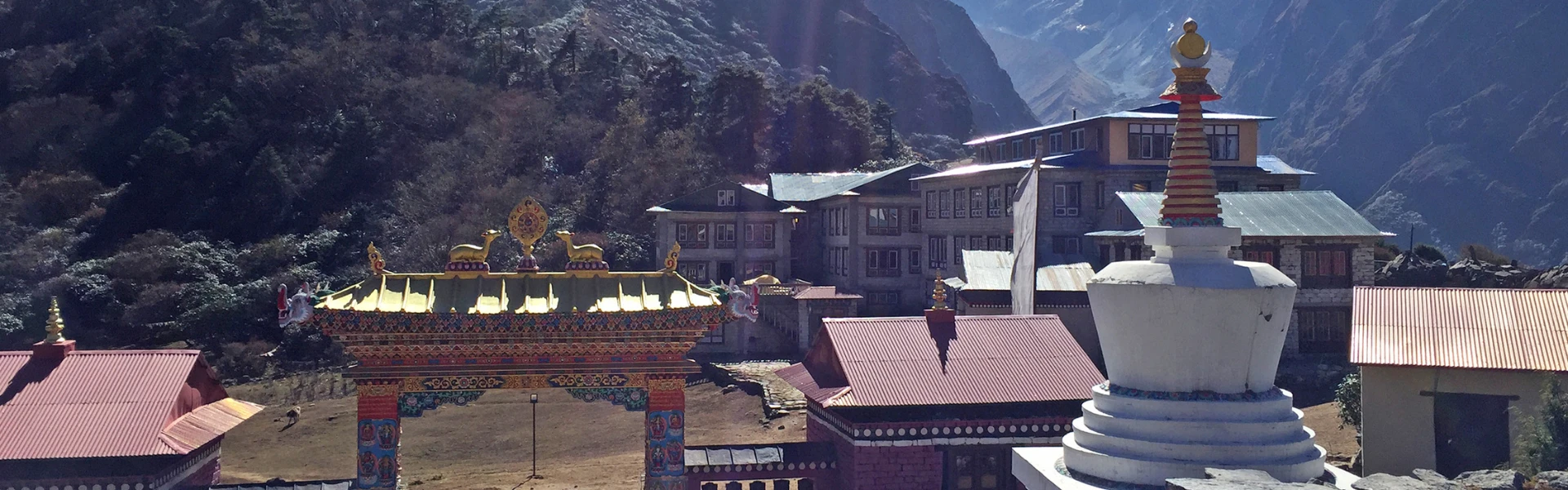
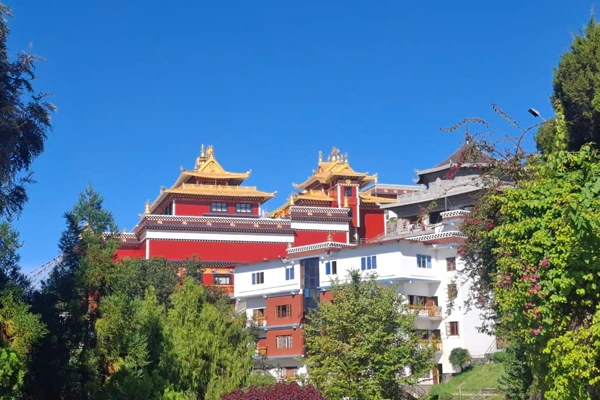
The story of Tengboche Monastery is one of profound endurance, serving as the spiritual anchor for the Khumbu region since its inception. Established in 1916 by Lama Gulu, a revered leader and follower of the Nyingma tradition (the oldest school of Tibetan Buddhism). This monastery was built upon a site believed to be blessed by Guru Rinpoche himself, who predicted a great spiritual center would one day rise in these heights. Its architectural design is a masterful fusion of Nepalese and Tibetan styles, constructed on a sturdy stone platform and adorned with white-painted walls, intricate wooden carvings, ornate pillars, and rows of prayer wheels.
However, this sanctuary has twice faced near-total destruction. First, during the catastrophic 1934 earthquake and later in 1989. Devastating electrical fire consumed sacred scriptures, ancient artifacts, and the original buildings. Each time, the monastery rose from the ruins through the incredible devotion of local volunteers and significant global support, most notably from Sir Edmund Hillary’s Himalayan Trust. Today’s resulting structure is a marvel of stone masonry, featuring a grand Dukhang (prayer hall) characterized by golden roof decorations and a magnificent two-story statue of Buddha Shakyamuni. Inside, the walls are a living gallery of murals and Thangka paintings that depict the life of Buddha and complex Buddhist philosophies, while the library preserves the Kangyur, sacred scriptures translated into Tibetan. More than just a stop on the trail, the monastery stands as a cultural hub for the Sherpa community. There are approximately 60 monks who continue to keep centuries-old traditions alive through daily rituals, meditation, and the education of young novices.
Himalayan Giants and Breathtaking Scenery
Tengboche Monastery offers what is widely considered the most spectacular panorama in the entire Everest region. As you reach this spiritual sanctuary, situated at the scenic confluence of the Dudh Koshi and Imja Khola rivers, you are greeted by a breathtaking 360-degree skyline of Himalayan giants. To the north, the snow-dusted crown of Mount Everest looms over the horizon, flanked by the massive walls of Lhotse and Nuptse. The pyramid-like peak of Ama Dablam forms a striking and iconic backdrop to the monastery.
The natural beauty of the site is further enriched by the surrounding rhododendron, fir, and birch forests, which burst into vibrant blooms during the spring, creating a vivid contrast against the white peaks. Whether it is witnessing the first light of dawn cast a golden alpenglow over the summits of Thamserku and Kangtega or watching the turquoise waters of the river wind through the valley far below, the landscape here provides a profound sense of peace and scale. It is no wonder that Tengboche is ranked among the top three photography locations in the region, where the interplay of prayer flags, ancient stone masonry, and the world's highest peaks creates a scene that stays with you long after you descend.
The Mani Rimdu Festival
Every autumn, as the trekking season reaches its peak in October and November, Tengboche transforms into a vibrant stage for the Mani Rimdu festival. This festival is the most significant cultural event for the Sherpa community. This celebration, which culminates in a three-day public spectacle, is a mesmerizing blend of religious devotion and ancient legend, specifically commemorating the triumph of Buddhism over the old Bon religion. The atmosphere is electric, filled with the rhythmic hum of sacred chants and the crash of cymbals as monks, adorned in elaborate brocade costumes and hand-painted papier-mache masks, perform the iconic Chham (masked dances).
The festival is rich in symbolic rituals, beginning with the meticulous four-day creation of an intricate sand mandala that serves as the spiritual heart of the event. Attendees are often blessed with Rimdu, the small red pills for which the festival is named, which are believed to carry powerful blessings for health and longevity. Whether you are witnessing the dramatic fire rites intended to dispel harm from the world or joining the crowds of locals who have traveled for days to attend, the festival offers an unparalleled immersion into the living heritage of the Himalayas. It is a rare moment where the ancient traditions of the Nyingma lineage collide with the raw beauty of the Everest region, leaving every visitor with a profound sense of the area's spiritual depth.
Planning Your Trek: Routes to Tengboche
Reaching the spiritual heart of the Khumbu is an adventure in itself, as there are no roads or vehicles that link to this mountain sanctuary; accessibility is purely a matter of footwork or flight. Most travelers begin their journey with a thrilling 35-minute flight from Kathmandu to the mountain airstrip at Lukla (2,860m). From there, the classic trek to Tengboche typically spans two to three days. The first leg is a gentle descent to Phakding, followed by a more strenuous, steep climb to the vibrant Sherpa hub of Namche Bazaar (3,440m), where crossing high suspension bridges over the Dudh Koshi River is a rite of passage. It is highly recommended to spend an acclimatization day in Namche to allow your body to adjust to the thinning air before the final, 11-kilometer push to Tengboche. This last segment is a rewarding challenge, winding through rhododendron and pine forests with ever-expanding views of Everest and Ama Dablam before a final steep ascent to the monastery ridge.
For those seeking different perspectives of the Everest region, several distinct routes incorporate a stop at the monastery:
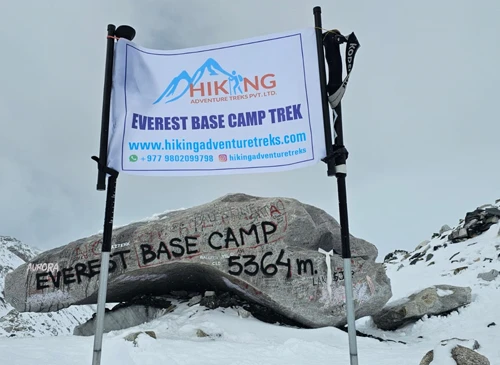
- The Everest Base Camp (EBC) Trek: The most iconic path, where Tengboche serves as a pivotal spiritual waypoint and essential acclimatization halt midway to the base of the world's highest peak.
- The Gokyo Lakes Trek: A quieter, more scenic alternative featuring turquoise glacial lakes; trekkers can include Tengboche as a detour via the village of Phortse on their return journey.
- The Three Passes Trek: Designed for the ultimate adventurer, this challenging route crosses the Kongma La, Cho La, and Renjo La passes, utilizing Tengboche as a sanctuary for reflection before or after the high-altitude crossings.
- The Tengboche Circuit & Sacred Sites Trail: For those focused on heritage, a shorter "Circuit Trek" focuses on the monastery itself. Additionally, the "Sacred Sites Trail Project" offers a circular path through ten monasteries and hermitages, with Tengboche serving as the grand finale.
If time is limited or physical constraints make trekking difficult, helicopter tours from Kathmandu or Lukla provide a breathtaking alternative. Regardless of how you arrive, ensure you have secured the necessary Sagarmatha National Park Entry Permit and the Khumbu Pasang Lhamu Rural Municipality Entrance Permit to pass through the region's checkpoints.
Practical Logistics for Trekkers
Planning a journey to the spiritual heart of the Everest region involves more than just a sense of adventure. It requires careful coordination of timing, transport, and local regulations. Here is everything you need to know about the practical logistics of visiting Tengboche.
The Best Time to Visit
Choosing the right season is crucial for both mountain visibility and personal comfort. The most popular windows are Spring (March to May) and Autumn (September to November).
- Spring: You’ll be treated to blooming rhododendron, fir, and birch forests, which paint the hillsides in vibrant colors against the white peaks. The weather is generally moderate and stable.
- Autumn: This is the peak trekking season, offering the clearest blue skies and sharpest views of Everest and Ama Dablam. It is also the only time to witness the vibrant Mani Rimdu festival.
- Winter (December to February): While it offers peaceful, crowd-free trails, the temperatures are extremely cold, often dropping well below freezing.
- Monsoon (June to August): This season is generally avoided due to heavy rainfall, slippery trails, and clouds that frequently obscure the mountain views.
Accommodation Options
Tengboche offers a range of simple but welcoming places to rest. The most common choice is a Tea House, which is a small, family-run lodge providing basic twin-bed rooms and communal dining areas usually warmed by wood-burning stoves. For those seeking more comfort, several lodges in the area offer upgraded amenities such as private bathrooms and hot showers, though these often come at an additional cost. Some well-known spots include the Tengboche Guesthouse and Tashi Delek Lodge. Camping is also an option for those seeking a more rugged experience, though it requires significantly more preparation. It is important to note that while the monastery is the central attraction, visitors are not allowed to stay overnight inside the monastery walls.
Accessibility
Tengboche is famously remote, with no roads or vehicles connecting it to the outside world. Most trekkers begin their journey with a scenic but thrilling 35-minute flight from Kathmandu to Lukla. From Lukla, it is typically a two-to-three-day trek to reach the monastery, usually involving a steep climb from the Dudh Koshi River and a stop at the bustling hub of Namche Bazaar. For those with limited time or physical constraints, helicopter tours are available directly from Kathmandu or Lukla, landing near the monastery and providing a quick way to experience the site without the multi-day hike.
Required Permits
To legally enter the region and reach Tengboche, you must obtain two specific permits:
- Sagarmatha National Park Entry Permit: Required for all visitors to the UNESCO-listed park.
- Khumbu Pasang Lhamu Rural Municipality Entrance Permit: A local government fee required for all trekkers entering the Khumbu valley.
These permits are checked at various stations along the trail, so it is vital to keep them accessible. While there is no official entrance fee to visit the monastery itself, it is customary and highly appreciated to leave a small donation to help with its ongoing maintenance and preservation.
Essential Gear and Equipment Checklist
Preparing for a trek to Tengboche requires careful consideration of the unpredictable Himalayan environment, where temperatures can shift dramatically from the warmth of the sun to freezing nights. To ensure your safety and comfort, following a strategic gear list is essential for navigating the rugged terrain of Sagarmatha National Park.
Essential Clothing and Outerwear
- Layered Clothing: The cornerstone of high-altitude trekking is a three-layer system that allows you to adjust to changing weather conditions. You should pack moisture-wicking base layers to keep sweat away from your skin, insulating mid-layers for warmth, and a waterproof, windproof outer shell to protect against the elements.
- Warm Jacket: As the sun dips behind the giants like Ama Dablam, temperatures in Tengboche drop rapidly, making a high-quality down or insulated jacket an absolute necessity for cold evenings.
- Hat and Gloves: Protecting your extremities is vital; you will need a warm knitted hat or beanie to prevent heat loss from your head, alongside wool liner gloves and heavy-duty outer gloves for colder months.
- Trekking Pants and Shirts: For the trail, lightweight and quick-drying technical fabrics are preferred to keep you comfortable during long days of hiking. Convertible pants that zip off into shorts are particularly handy for managing temperature changes as you ascend from lower valleys.
Footwear and Accessories
- Trekking Boots and Socks: Your boots are your most important asset, so choose a pair with sturdy ankle support for rocky trails. Be sure to break them in thoroughly before your trip to prevent blisters. Pair them with thermal, moisture-wicking wool or technical fabric socks to keep your feet dry and warm.
- Trekking Poles: These are highly recommended to provide balance on uneven ground and to take the significant pressure off your knees during the steep descents.
- UV Protection: At an altitude of 3,867 meters, the sun’s UV rays are much stronger, requiring you to carry high-quality sunglasses and high-SPF sunscreen to avoid severe burns.
- Hydration and Lighting: Staying hydrated is critical to preventing altitude sickness, so carry a refillable water bottle and use purification tablets to ensure local water is safe to drink. Additionally, a headlamp is indispensable for early morning starts or navigating lodges where lighting may be limited.
- First Aid Kit: Always carry a personal kit stocked with blister treatments, pain relievers, and essential medications for altitude sickness.
Personal Items and Sleeping Gear
- Sleeping Gear: While teahouses provide blankets, they are often not warm enough for the freezing Himalayan nights; a high-quality sleeping bag rated for at least -25 degrees is essential for a comfortable night’s rest.
- Cash and Snacks: There are no ATMs in the Tengboche area, so you must bring enough Nepalese Rupees to cover your meals, snacks, and any purchases. High-protein snacks like energy bars, nuts, and dried fruit are perfect for maintaining your energy levels during the 5 to 6-hour hike from Namche Bazaar.
- Electronics: Bring a camera or smartphone to capture the world-class views, but remember that charging facilities in lodges often come at an extra fee and depend on solar power.
Health, Safety, and Etiquette
Ensuring your well-being and respecting local customs is vital when visiting a high-altitude sanctuary like Tengboche. Below is a guide to staying healthy, safe, and culturally respectful during your journey.
Altitude Sickness (AMS) and Personal Health
At 3,867 meters (12,687 ft), the air is significantly thinner, making altitude sickness (AMS) a primary concern for everyone. You must be vigilant for symptoms such as headaches, dizziness, nausea, loss of appetite, and swelling of the hands or face. To prevent severe illness, proper acclimatization is non-negotiable; most itineraries recommend spending an extra night in Namche Bazaar or Tengboche to allow your body to adjust slowly. Staying hydrated by consuming plenty of water is essential, while avoiding alcohol is highly recommended to help your body cope with the elevation. If symptoms worsen despite rest, the only safe option is to descend immediately to a lower altitude. Additionally, maintain strict personal hygiene by using hand sanitizers before meals and ensuring all water is boiled or purified to prevent stomach issues.
Monastery Etiquette and Spiritual Respect
As the spiritual heart of the Khumbu, Tengboche Monastery (Dawa Choling Gompa) is a place of deep reverence where specific codes of conduct apply. When visiting the Dukhang (prayer hall), visitors must dress modestly and remove their shoes before entering. It is a privilege to witness the daily Puja (prayer ceremonies), which typically occur in the early morning around 4:00 or 5:00 AM and again in the late afternoon. During these times, it is vital to remain quiet and avoid disturbing the monks in their meditation. While the monastery is a photographer’s paradise, you should always seek permission before taking photos inside the prayer hall or during ceremonies.
Environmental Conservation and Park Safety
Tengboche is situated within Sagarmatha National Park, a UNESCO World Heritage Site recognized for its fragile alpine ecosystem and rich biodiversity. You are expected to practice eco-friendly tourism by staying on marked trails and ensuring all trash is carried out to help preserve the landscape. Respecting the local wildlife is also a priority; avoid disturbing animals such as the Himalayan Thar or Musk Deer that inhabit the surrounding forests. Finally, safety extends to the trail itself. Always yield to yak caravans and be mindful of your surroundings, as distractions on rugged terrain can lead to accidents.
Conclusion:
In conclusion, Tengboche Monastery is far more than just a scenic waypoint on the legendary path to Everest. It is the spiritual and cultural beating heart of the entire Khumbu region. Standing at a breathtaking 3,867 meters (12,687 ft), this sacred sanctuary serves as a profound symbol of resilience, having been meticulously rebuilt twice following a devastating earthquake in 1934 and a tragic fire in 1989. Whether you are drawn by the unrivaled panoramic views of Everest, Lhotse, and the iconic, jagged pyramid of Ama Dablam, or the mesmerizing rhythmic chants and masked dances of the Mani Rimdu festival, this sanctuary offers an immersive experience that transcends mere sightseeing.
It is a place where nature's raw, majestic power meets centuries-old Sherpa traditions, creating a lasting sense of peace and reflection that stays with you long after you have descended from the mountains. No journey through the Everest region is truly complete without witnessing the golden alpenglow over the monastery’s white walls or joining the monks for a quiet morning of meditation. This "Heritage within a Heritage" stands as an enduring testament to the faith and unity of the Himalayan people, beckoning every traveler to find their own spiritual gateway amidst the clouds.
Ready to start your own Himalayan adventure? Our travel experts are available 24/7 to help you customize the perfect itinerary, whether you're seeking a challenging trek or a spiritual retreat. Reach out to us today to begin planning your journey to the roof of the world:
Frequently Asked Questions (FAQs)
- Can you see Mt. Everest from the monastery?
Yes, Tengboche offers one of the most stunning panoramic views in the region, featuring an unobstructed view of Mount Everest (8,848m). You will also see Lhotse, Nuptse, and Ama Dablam. The peak is visible to the north and is a deep source of spiritual inspiration for visitors. - How difficult is the trek to Tengboche?
The trek is generally considered a moderate-level journey or an "easy and short" trek relative to the full Everest Base Camp route. It is classified as Grade 2, meaning it is suitable for energetic walkers who can handle up to 4-6 hours of hiking per day on the characteristic up-and-down terrain of Nepal. - Can I visit the monastery via a helicopter tour?
Yes, for those short on time or unable to trek, helicopter tours are available from Kathmandu or Lukla. These tours offer a quick way to see the Himalayas and the land near the monastery, allowing you to explore the site without physical effort. - What is the three-tier layering system for high-altitude trekking?
Use a system consisting of moisture-wicking base layers, warm mid-layers (such as fleece or pullovers), and a waterproof/windproof outer shell. - Is there an entrance fee for the monastery?
The monastery does not charge an official entrance fee. However, visitors are encouraged to leave a donation to support the ongoing maintenance and preservation of the historic site. - What is the spiritual significance of the Sand Mandala?
The creation of a Sand Mandala marks the beginning of the Mani Rimdu festival and serves as its spiritual center for ten days. At the end of the festival, it is formally removed with prayers intended to benefit all sentient beings. - What makes the Mani Rimdu festival's masked dances unique?
The dances, known as Chham, are performed by resident monks wearing elaborate brocade dresses and hand-painted papier-mâché masks. The performance consists of 16 traditional dances that include comical interludes to entertain the pilgrims and tourists. - How does the Mani Rimdu festival reflect Sherpa religious identity?
As a major cultural cornerstone, the festival strengthens the Sherpa people’s connection to their spiritual roots and cultural identity. It is a time when the community gathers to celebrate shared beliefs and traditions, with many Sherpas traveling long distances to witness the event. - Can you explain the symbolic meaning of the mask dances?
The dances symbolize the victory of Buddhism over the ancient Bon religion. Through these enactments, monks depict the vanquishing of demons and the blessing of those who do right. - When is the next Mani Rimdu festival being held?
The festival is held annually during the tenth lunar month of the Tibetan calendar, which typically corresponds to October or November. Because it follows the lunar calendar, the exact dates change every year. - How can I customize a Tengboche trekking itinerary for 2026?
You can reach out to local travel experts who specialize in the Everest region for a free consultation. Hiking Adventure Treks offers trip customization for 2026 and 2027 via WhatsApp or email.