Overview for Lobuche East vs Island Peak
You will hear “trekking peak” and think it might be a strenuous hike. It is not. This is a technical classification in Nepal for mountains below 7,000m, but it belies the seriousness of the endeavor. Both climbs demand you cross crevassed glaciers, navigate steep snow and ice with fixed ropes, and stand on an airy summit over 6,000 meters high. You will need training, grit, and a trusted guide. This is where you transition from trekker to mountaineer.
So, who are these two characters?
Island Peak (Imja Tse, 6,189m) is the celebrity. It’s the classic, the one you have likely seen in photos. Its name comes from its striking appearance, a sharp pinnacle seeming to rise as an island from a frozen sea of the Imja Glacier. Its climb is iconic: a pre-dawn start, a traverse across a moonlit glacier, culminating in a heart-pumping, 40-degree ice headwall that you ascend using fixed ropes. It’s a powerful, focused burst of technical climbing. The reward? Arguably one of the most dramatic panoramic stages in the Himalayas, where you stand level with the monstrous south face of Lhotse and gaze across at the graceful, towering Ama Dablam.
Duration: 20 Days1 Review
Price from
Lobuche East (6,119m) is the quiet contender. Often mistaken for its higher neighbor, Lobuche East offers a more intimate, sustained climb. It feels less like a singular obstacle and more like a complete alpine journey. After a tough, steep gully, you emerge onto a knife-edge summit ridge that seems to go on forever, draped with cornices and offering dizzying drops on either side. Here, the challenge is mental as much as physical. It is a dance of balance and nerve. The view is a raw, commanding overlook of the Khumbu Glacier, Everest’s Southwest Face, and the hauntingly beautiful peak of Pumori. It feels more remote, more personal.
Duration: 18 Days
Price from
In essence:
- Island Peak is your iconic test piece: a direct, famous challenge with a dramatic, crowd-pleasing finale.
- Lobuche East is your immersive apprenticeship: a continuous, exposed alpine climb that offers a profound sense of solitude and accomplishment.
Choosing between them isn’t just about picking a mountain; it’s about choosing the nature of your first high-altitude story. Do you want the legendary headwall or the endless ridge? The famous panorama, or the rugged, personal wilderness? Both stories end the same way: on top of your world, looking at the roof of ours, forever changed by the climb.
Geographical and Scenic Differences
The air is thin, your breath comes in frosty clouds, and before you stretches a horizon carved by giants. This is what both Lobuche East and Island Peak promise. But where you stand, and what you see, tell two completely different stories of the Himalayas.
Let's begin with Island Peak, the mountain with a name that paints a perfect picture. Its Nepali name, Imja Tse, doesn't quite capture the drama you'll witness. As you trek up the Chukhung Valley, the peak reveals itself not as a lone summit but as a sheer-walled island rising from a frozen sea. The climb feels like a journey to this island fortress.
The true magic of Island Peak isn't just the summit; it's the company it keeps. From your high camp, you'll share your morning tea with the most intimidating wall on Earth: the south face of Lhotse, a vertical, icy fortress stretching over 3,000 meters straight up. To your right, the elegant, razor-edged Ama Dablam pierces the sky, so close you feel you could reach out and trace its ridges. The summit panorama is a crowded, glorious meeting of titans: Everest peering over the Nuptse Wall, the colossal mass of Makalu, and a sea of unnamed peaks stretching toward Tibet. It’s an iconic, postcard-perfect Himalayan spectacle.
Now, let's walk west to Lobuche East. The feeling shifts instantly. Here, you are not visiting an island; you are standing on the shoulder of the Khumbu itself.
While Island Peak offers a gallery view of the giants, Lobuche East makes you feel like you’re in their backcountry, part of their inner circle. The approach through Lobuche village is colder, windier, and quieter than the bustling trails to Island Peak Base Camp. You’re in the realm of climbers and serious trekkers.
The scenery is less curated and more raw. Your view is dominated by the west shoulder of Everest and the immense, crumbling faces of Nuptse and Lhotse. It can be seen from a powerful, three-quarter angle you won't get elsewhere. You will watch the afternoon light paint the slopes of Pumori (known as "The Daughter Peak"). It’s a fiery gold gaze across the Kongma La pass toward the peaks you’ve just left behind. The summit ridge itself is the star here, a narrow, corniced spine of snow where you walk, carefully, between the sky of Nepal and the sky of Tibet. It’s not a crowded vista; it’s a personal, immersive dialogue with altitude and exposure.
The Simple Truth:
- Choose Island Peak if you dream of that classic, jaw-dropping, wide-angle lens view. The one you have seen in documentaries, where every peak has a name and a story.
- Choose Lobuche East if you crave a more intimate, gritty, and atmospheric experience, where the feeling of being on a wild ridge is as memorable as the skyline itself.
One is a masterpiece hung in a grand hall. The other is a powerful sketch made in the quiet of the artist's studio. Both are profoundly beautiful; they simply speak to the soul in different dialects of ice and stone. Which language do you wish to hear?
Route Conditions & Changes (2025/2026)
Recent years have seen noticeable changes due to glacial retreat and climbing traffic.
- Island Peak: The headwall, the steep 100m ice section below the summit ridge, remains the technical crux. As of 2024, the fixed lines are generally well-maintained due to high traffic, but the lower glacier approach requires careful navigation as crevasse patterns shift annually. The final ridge has become slightly more exposed in sections.
- Lobuche East: The climb features two distinct sections: a steep, often icy gully to gain the summit ridge, followed by a long, exposed corniced ridge walk. The gully requires solid technique with an ice axe and crampons. The ridge, while not overly technical, demands a strong head for exposure. The route sees less traffic than Island Peak, offering a more solitary experience.
Detailed Comparison Table
Feature | Island Peak (Imja Tse) | Lobuche East |
Altitude | 6,189m (20,305 ft) | 6,119m (20,075 ft) |
Region | Everest (Chukhung Valley) | Everest (near EBC) |
Climbing Grade | Alpine PD+ | Alpine PD+ (arguably more sustained) |
Key Technical Section | 40-50° ice headwall on fixed ropes | Initial steep gully & exposed summit ridge |
Typical Duration | 16-20 days (from Kathmandu) | 18-22 days (often combined with EBC) |
Glacier Travel | Moderate, on the Imja Glacier | Significant, on the Lobuche Glacier |
Summit Success Rate (2024) | ~85% (weather dependent) | ~80% (often due to ridge conditions/wind) |
Key Differentiators Based on 2024 Expedition Data
On Island Peak, you’ll likely be part of a pulsing, international symphony of climbers. In 2024, clear weekend mornings saw conga lines of 30+ people on the headwall. For some, this creates an electric, shared-energy atmosphere, a collective human effort against the mountain. For others, it meant waiting in the cold, feeling rushed, or witnessing the strain heavy traffic puts on a fragile environment.
On Lobuche East, the experience is more of a solitary sonata. Multiple 2024 teams reported having the entire ridge to themselves at dawn. The only sounds were their own breathing and the crunch of crampons. This solitude heightens the sense of personal adventure but also the weight of responsibility; you feel the mountain's presence more acutely without the buffer of a crowd.
Island Peak is often described as a "high-altitude sprint with a technical hurdle." The energy is about conservation, a long, dark trudge across the glacier to save everything for the 40-minute, all-out burst up the steep headwall. In 2024, climbers said the fixed ropes were solid, but the section felt "intense, surreal, and over almost as soon as it began." The focus is singular: get up that wall.
Lobuche East, conversely, is a "technical marathon." The steep gully is just the opening act. The real test is the hour-plus traverse along the knife-edged, corniced summit ridge. 2024 data showed this is where mental stamina was truly measured. Climbers didn't talk about a single hurdle but about the sustained focus required for delicate footwork, managing exposure from both sides, and maintaining composure for a much longer period of technical movement. As one guide put it, "Island Peak tests your power. Lobuche East tests your patience and precision."
The "Feel" of the Climb: Polished vs. Raw
Infrastructure and traffic have shaped the mountains' personalities.
Island Peak feels like a well-rehearsed production. The routes to base camp are superhighways by Himalayan standards. The climb itself is polished by thousands of ascents. In 2024, this meant predictability and generally reliable fixed lines. The downside, noted by veteran guides, is that it can feel almost too streamlined, distancing climbers from the raw, problem-solving essence of alpinism.
Lobuche East retains a "raw expedition" feel. The approach through Lobuche village is quieter and colder. The glacier route changes noticeably year-to-year, requiring real-time navigation. The ridge isn't as heavily "equipped" as Island Peak's headwall. In 2024, teams reported a greater sense of partnership with their guide, working together to pick the best line through a crevasse field or navigate a tricky cornice. It feels less like following a preset path and more like making one.
The Summit Payoff: Iconic vs. Immersive
Both summits are breathtaking, but the reward has a different flavor.
Standing atop Island Peak, you are in the heart of the giants. The view is iconic, almost cinematic: the seamless, terrifying wall of Lhotse feels close enough to touch. Ama Dablam poses perfectly to the south. It's the postcard shot you dreamed of. In 2024, summit photos often showed clusters of elated climbers against this legendary backdrop.
The Lobuche East summit provides a more panoramic, immersive panorama. You are slightly removed, giving you a staggering, wide-angle view of the entire Everest massif, the Khumbu Glacier, and the storied peaks of Nuptse and Pumori. You see the scale of the landscape. 2024 climbers frequently described this summit as a place for quiet contemplation, often enjoyed alone or with just their climbing partner, taking in the vast theater of rock and ice.
Altitude, Routes, and Itineraries
Think of your climb not just as a single summit push, but as a carefully composed symphony in three movements: the approach, the acclimatization, and the ascent. Your itinerary is the score, dictating the rhythm at which your body and mind adapt to the thinning air. Let's walk through the distinct cadence of each peak.
The Lobuche East Cadence: A Slow, Purposeful Buildup
Your journey to Lobuche East is a masterclass in patient acclimatization. It’s a longer, more immersive experience that weaves the iconic Everest Base Camp trek directly into its fabric. You don't just climb a peak; you live in the Khumbu.
Duration: 17 Days
Price from
Duration: 13 Days20 Reviews
Price from
Your adventure begins not on a trail, but in the chaotic, sensory-rich streets of Kathmandu. After a day of last-minute gear checks and temple visits, a heart-pounding flight to Lukla’s infamous runway drops you into another world. The first days are a gentle induction, trekking through pine-scented forests to Phakding, then the demanding climb to the bustling hub of Namche Bazaar. Here, you take your first dedicated acclimatization day, hiking to the Everest View Hotel for a teaser of the giants to come.
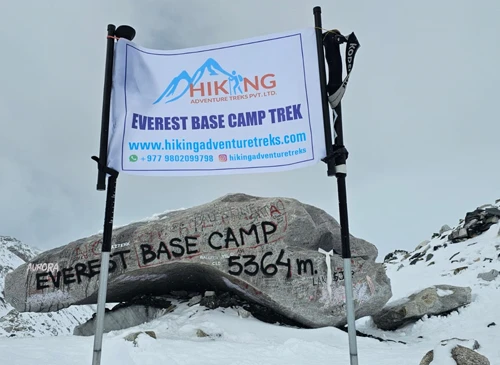
The rhythm continues as you trek higher, visiting the spiritual heart of the region at Tengboche Monastery before arriving in Dingboche. A wind-swept village where rest days are spent on short hikes, your lungs learning to pull oxygen from the thin air. Then, you join the legendary trail to Everest Base Camp (EBC). Trekking to Lobuche village, then up to Gorakshep, you achieve a major milestone; the next morning, you witness the sun ignite the pinnacle of Kala Patthar (5,545 m).
This is the genius of the Lobuche East itinerary. By the time you return to Lobuche village for your pre-climb training, your body has spent over a week safely climbing to 5,400 m and back down. You are supremely acclimatized. The move to High Camp (5,800 m) feels like a natural next step, not a shocking leap. Your summit day is a fierce, focused effort on the steep gully and knife-edge ridge, but you attack it from a position of strength, having already conquered the high altitudes days before.
The Island Peak Rhythm: A Direct, Focused Ascent
The Island Peak itinerary is a more direct composition. It’s a climb with a spectacular preamble, but one that moves with purposeful speed toward the main event.
You share the same opening notes: Kathmandu, Lukla, the trek to Namche, and acclimatization there. The path diverges after you visit EBC and Kala Patthar. Instead of settling in for a climb near Gorakshep, you make a strategic descent. After summiting Kala Patthar, you trek all the way back down to Dingboche in a single, long day. This descent is a critical recovery tool, letting your body repair at a lower altitude (4,250 m) where oxygen is more abundant.
From Dingboche, you strike out laterally into the Chukhung Valley, leaving the main Everest highway behind. The landscape becomes more glacial and raw as you trek directly to Island Peak Base Camp (5,050 m). Here, you have a full acclimatization day, a chance to practice on the ice, check your gear, and rest while staring up at your objective. The move to High Camp (5,600 m) is a steep, grinding pull that sets the stage for the summit.
The Island Peak summit day is legendary for its length and drama. You'll wake in the dead of night, navigate the crevasses of the Imja Glacier by headlamp, and arrive at the base of the infamous headwall as dawn breaks. Here, you’ll clip into fixed ropes for the steep, technical climb up the blue ice. The reward is a breathtaking sunrise from the summit ridge, with Lhotse’s immense south wall filling the sky. It’s a more concentrated climb, where the entire expedition's energy funnels into this one monumental push from High Camp.
Food, Accommodation, and Logistics
Forget the sterile checklists. Your experience on these mountains isn't just about the summit; it's about the moments in between, the taste of ginger tea after a frigid morning, the shared warmth of a dining tent, and the complex ballet of support that makes it all possible.
A Tale of Two Villages: Where You Rest Your Head
Your home away from home starts in the vibrant, Sherpa-run tea houses, but the vibe changes distinctly as you approach each peak.
On the Island Peak Trail, you’re on a major highway. Chukhung, your final village stop, feels like a bustling mountaineer’s outpost. Lodges here, like the cozy Chukhung Resort or the simpler Island Peak Lodge, have evolved to cater to climbers. Think solar-charging stations (for a fee), menus with "Western recovery food" like pizza and apple pie, and common rooms buzzing with stories from teams heading to Island Peak, Lhotse, or the Amphu Labsta pass. It’s a place of anticipation and camaraderie. The walls are thin, the laughter is loud, and you’ll fall asleep to the sound of crampons being packed for the morning.
On the Lobuche East path, you’re on a quieter, more contemplative road. Lobuche village sits at 4,940 m on the wind-scoured path to Everest Base Camp. The air is thinner, the temperatures colder, and the lodges are more basic, functional shelters. The focus here is on warmth and rest. You’ll spend more time huddled around the yak-dung stove in your down jacket, sharing quiet conversations with trekkers bound for EBC. It feels less like a launchpad and more like a genuine, rugged Himalayan settlement. The silence is deeper, broken only by the wind and the distant rumble of the Khumbu Glacier.
From Dal Bhat to Summit Feasts: The Fuel for Your Climb
The food narrative follows your journey from comfort to high-performance fuel.
In the Tea Houses: The beloved dal bhat, steaming lentils, rice, and veg is your reliable, all-you-can-eat powerhouse. But you’ll also find garlic soup (a folk remedy for altitude), Sherpa stew, and momos (dumplings) that taste like heaven after a cold day. On the Island Peak route, the menus in Dingboche and Chukhung are longer, often featuring "luxuries" like a Snickers pie or a proper espresso (don’t get your hopes too high for Italian quality!). On the Lobuche route, the fare is simpler, heartier, and somehow more authentic.
At High Camp & Base Camp: This is where your crew becomes your family. Your cook team, with incredibly high-altitude culinary skills work magic in a tent kitchen. The scent of fresh popcorn or ginger-lemon-honey tea greeting you as you stumble into camp is a memory you’ll keep forever. Dinner is a communal event: a hearty carb load of pasta, fried rice with tuna, or potato dishes, designed for energy and easy digestion.
Summit Day: It starts in the dark with a forced-down breakfast of porridge and a final hot drink. The real magic is what’s waiting upon your return. Whether you summit or not, coming back to camp to the beaming smile of your cook, handing you a mug of sweet, hot juice and a plate of whatever they’ve whipped up, is a moment of pure, emotional relief. It’s the best meal you will ever have.
Preparation and Gear Essentials
This isn't a weekend hike. The summit day on either of these peaks will be one of the most physically and mentally demanding things you have ever done. The right preparation isn’t just a checklist; it’s your foundation for safety, enjoyment, and success. Think of it as building your body and packing your courage, one piece at a time.
The Fitness Blueprint: Train Like You’re Already There
Your lungs and legs are your most important gear. Forget gym selfies; we’re talking about functional, gritty endurance.
- The Cardio Engine: You need the stamina to hike for 6-8 hours a day, at altitude, for two weeks straight.
The golden rule: If you can comfortably power-hike a steep mountain trail with a 15kg (33lb) pack for 4-5 hours, you’re on the right track.
How to build it: Mix long, steady-paced hikes (building to 5+ hours) with high-intensity interval training (HIIT) on a stair-climber or steep hill. Lunges and step-ups with weight will become your best friends.
- Mental Fortitude: Fitness gets you to base camp; mental strength gets you to the summit. Practice pushing through fatigue on your training hikes. Visualize the cold, the early (2 AM!) start, and the burning in your legs and see yourself moving past it. This is 40% physical, 60% mental.
The Skills You Can’t Fake
Watching a YouTube tutorial on how to use an ice axe is like learning to drive from a movie. It won’t end well.
- Non-Negotiables: Before you book, you must have practical experience in:
- Crampon & Ice Axe Technique: Front-pointing on ice, self-arresting a slide.
- Fixed-Line/Rope Skills: Using a jumar/ascender to climb a rope, abseiling/rappelling with a descender device (like an ATC).
- Glacier Travel Basics: Walking roped up, basic crevasse awareness.
- How to Get Them: Take a course. A 2-3 day introductory mountaineering or alpine skills course on a real glacier (in the Alps, Rockies, or Cascades) is the single best investment you can make. It builds muscle memory and confidence, so on summit day, your reactions are automatic.
Gear: Your Second Skin in the Death Zone
Your gear is your lifeline. It’s what stands between you and the brutal, beautiful Himalayan environment.
The Big Three (Do Not Compromise):
- Mountaineering Boots (B3/C2): These are the rigid, super-insulated plastic/mountaineering boots for high-altitude ice. Your hiking boots won’t cut it. Brands like La Sportiva, Scarpa, or Millet are standards.
Pro-Tip: You can rent these in Kathmandu from reputable shops for ~$50-$100 for the trip—a great option to save luggage weight and cost. Break them in thoroughly!
- The Sleeping Bag (-20°C / 0°F Rating): Nights at high camp will be brutally cold. A high-quality down bag is worth every penny. Ensure it has a good hood and fits you snugly.
- The Down Suit / Heavy Summit Jacket & Pants: Summit day starts in the deep freeze of the night. A one-piece down suit or a heavyweight down jacket combined with insulated bib pants is essential. This isn’t the place for your lightweight puffy.
The Technical Kit:
Your operator will provide group gear (ropes, tents), but you’ll need personal climbing hardware:
- Climbing Helmet: Protect your head from icefall.
- Harness: Make sure it fits over all your bulky layers.
- Ascender/Jumar: For climbing the fixed ropes.
- Descender/Abseil Device (ATC Guide or similar): For the descent.
- Climbing Carabiners (2x Locking, 2x Non-Locking): The workhorses of your setup.
The Supporting Cast:
- Layering System: Merino wool base layers, insulating mid-layers (fleece, synthetic puffy), and a hard-shell Gore-Tex jacket and pants for wind and snow.
- Trekking Poles: Crucial for saving your knees on the long approach.
- Headlamp: With extra batteries for the summit push. Think 300+ lumens.
- High-Altitude Gloves: A system is key: thin liners, thick insulated gloves, and heavyweight down mittens for the summit.
The Intangibles: What You Pack in Your Heart
- Patience: Weather delays, acclimatization days, and slow-moving lines are part of the game. Embrace the rhythm of the mountains.
- Respect: For the mountain, the culture, your Sherpa guides, and your teammates. This is a team effort.
- A Sense of Humor: When you’re cold, tired, and eating dal bhat for the 10th night in a row, laughter is powerful medicine.
Remember: When you’re exhausted at 6,000 meters, fiddling with a piece of gear you’ve never used before, you’ll wish you’d trained harder and prepared better. Do the work now, so on the mountain, you can focus on the awe, not the struggle. Your future summit-self will thank you.
Why Choose One Over the Other?
This isn't just a comparison of meters and grades. It’s about which experience will etch itself deeper into your soul. Close your eyes for a moment. So, who are you on this journey?
Reach for Island Peak if your story is about...
The classic tale. You want the iconic photo on the headwall, the energy of a shared mission, and the proud, straightforward triumph. You’re drawn to the postcard-perfect vistas of Ama Dablam and the powerful presence of the Lhotse wall. You want a climb that is a clear, defined test, a spectacular, concentrated challenge that has launched thousands of climbing dreams.
Your path is Lobuche East if your spirit craves...
The road less traveled. You seek a more solitary, contemplative dance with the altitude. You find magic not in crowds, but in the sustained, exposed communion of a ridge walk where your focus is absolute. You want the journey to feel like an exploration, not just an ascent, and you value the deeper, more rugged immersion into the Everest region that comes with the EBC approach.
Both mountains will change you. Both will demand your utmost and reward you with perspectives few ever see. One offers a brilliant, collective shout of achievement; the other, a profound, personal whisper of endurance.
Frequently Asked Questions
Q: Which is harder, Lobuche East or Island Peak?
A: Technically, they are similarly graded. However, most climbers find Lobuche East psychologically more challenging due to the sustained exposure on the long summit ridge. Island Peak's difficulty is more concentrated in the steep but shorter headwall.
Q: Can a complete beginner with no climbing experience do these?
A: No. These are technical climbs requiring specific skills. Reputable operators like us require proof of prior glacier/ice climbing training or experience. Attempting it without it is dangerous for you and your team.
Q: What is the best time to climb?
A: The post-monsoon season (late September to November) and pre-monsoon (April to early May) offer the most stable weather. October and November are generally clearer but busier.
Q: How do I choose a reliable operator?
A: Look for companies with summit success reports, certified climbing guides (not just trekking guides), and transparent pricing. Insist on clear communication about the guide-to-client ratio and included gear.
Q: Is supplemental oxygen used?
A: Typically, no. These peaks are climbed without supplemental oxygen as part of the acclimatization challenge. However, some operators may offer it as an emergency or optional extra, clarify this in advance.
.webp)