There are few experiences in the world that compare to standing high in the Himalayas, surrounded by towering peaks and endless horizons. The Annapurna Circuit offers exactly that kind of unforgettable moment. The highest point of the trek is Thorong La Pass (5,416 meters). Here, you often pause not only to catch your breath in the thin mountain air but also to absorb the overwhelming beauty of the Himalayas stretching in every direction. Since the route opened to international trekkers in the late 1970s, the Annapurna Circuit has become one of the most iconic trekking journeys in the world. It is not simply a hike through mountains; it is an immersive Himalayan adventure that blends dramatic landscapes, rich culture, and a sense of personal accomplishment.
One of the most remarkable aspects of the trek is the extraordinary diversity of landscapes it reveals along the way. Over the course of roughly 160 to 230 kilometers, the trail moves through environments that feel almost cinematic in their variety. The journey typically begins in the warm, lush valleys of central Nepal, where you walk past terraced rice fields, waterfalls, and subtropical forests. As the trail climbs higher, the scenery gradually changes; dense greenery gives way to alpine forests of pine and juniper and eventually to the stark, windswept terrain of the Manang and Mustang regions. By the time trekkers reach the higher elevations, the landscape has transformed into a dramatic high-altitude desert. You will pass through rugged cliffs, wide valleys, and distant snow peaks dominating the horizon.
Duration: 10 Days10 Reviews
Price from
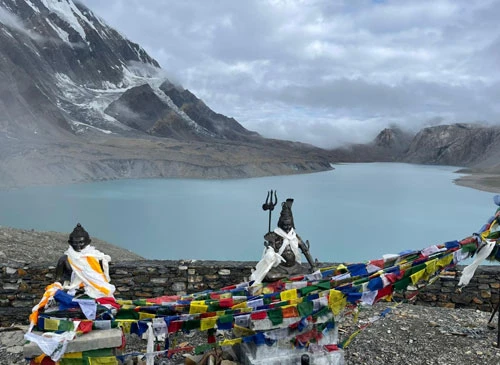
Another reason the Annapurna Circuit stands out is the sheer scale of the mountains surrounding the trail. Unlike many treks that offer occasional views of the Himalayas, this route places you directly among some of the world’s most famous peaks. Massive giants such as Annapurna I (8,091 m), Dhaulagiri (8,167 m), and Manaslu (8,156 m) dominate the skyline, while the striking pyramid of Machhapuchhre, often called the “Fishtail Mountain,” adds an unmistakable profile to the landscape. The trek also passes near remarkable natural landmarks, including Tilicho Lake, one of the highest lakes in the world, and the legendary Kali Gandaki Gorge, widely considered the deepest gorge on Earth.
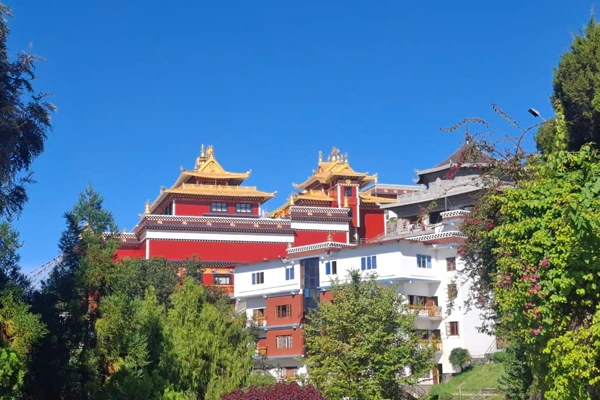
Beyond the natural beauty, the Annapurna Circuit offers a deep connection with the cultures of the Himalayas. The trail passes through villages inhabited by diverse communities such as the Gurung, Manange, Thakali, and Tibetan people. Along the way, you will encounter ancient monasteries, long stone mani walls carved with Buddhist prayers, and colorful prayer flags fluttering in the mountain wind. One of the spiritual highlights of the journey is Muktinath Temple. It is a sacred pilgrimage site revered by both Hindus and Buddhists. For centuries, pilgrims have traveled here to experience its eternal flame and the 108 sacred water spouts believed to purify the soul.
Equally memorable is the welcoming culture of the teahouses that line the trekking route. After a long day on the trail, you will gather in simple mountain lodges where warm meals and conversations with fellow travelers create a sense of community. A favorite meal along the route is the famous Nepali staple “dal bhat,” a nourishing plate of rice, lentils, vegetables, and pickles that fuels trekkers day after day. These small moments, like sharing tea, listening to travel stories, and watching the mountains glow, become some of the most cherished memories of the journey.
The ultimate challenge and highlight of the Annapurna Circuit is crossing Thorong La Pass. Reaching the top of this high mountain pass is physically demanding, but the reward is unforgettable. Standing beneath rows of fluttering prayer flags with panoramic views of the surrounding Himalayan peaks, you often feel a deep sense of accomplishment. It is a moment that captures the true spirit of the Annapurna Circuit. It is a journey that challenges the body, inspires the mind, and leaves travelers with memories that last a lifetime.
Planning Your Adventure: Timing and Logistics
Success on the Annapurna Circuit Trek doesn't happen by accident; it’s the result of meticulous planning. As any seasoned trekker will tell you, preparation is the fine line between the trip of a lifetime and a grueling ordeal. From picking the perfect weather window to navigating the bureaucracy of mountain permits, here is everything you need to know to get your logistics in order.
When to Go: Picking Your Peak Season
Timing is everything in the Himalayas. While the trek can technically be attempted year-round, most adventurers aim for the two "Goldilocks" windows:
- Fall (September–November): This is the undisputed "go-to" recommendation. Post-monsoon, the dust is settled, the skies are a piercing crystal blue, and the mountain views are at their most spectacular. While it is the busiest time on the trail, the stable weather makes it the safest for crossing the high pass.
- Spring (March–May): If you want to see the mountains framed by vibrant rhododendrons and giant wild orchids, this is your season. The days are longer and the weather warms up nicely, though occasional afternoon clouds can roll in.
- The "Off" Seasons:Monsoon (June–August) brings leeches and rain but offers lush green landscapes and solitude. Winter (December–February) is stunningly clear but offers biting cold, and the Thorong La Pass can often become impassable due to heavy snow.
Permits for Annapurna Circuit Trek
Trekking in the Annapurna Conservation Area—Nepal's largest protected zone requires 1 mandatory document that you must keep accessible for frequent checkpoints:
- ACAP (Annapurna Conservation Area Permit): Costs approximately $25 USD (approx. 3,000 NPR).
Traveler's Note: While a 2023 regulation officially mandated guides for all trekkers, many travelers in 2025 report that solo, unguided trekking is still being permitted on the ground, though this can change.
Budgeting Guide to Annapurna Circuit Trek
The Annapurna Circuit remains one of the most affordable world-class adventures, with costs varying based on your comfort level:
- Budget ($25–$35/day): Basic teahouses with shared bathrooms and standard meals like Dal Bhat.
- Mid-Range ($50–$80/day): Includes rooms with attached bathrooms where available, a local guide, and more varied meal choices.
- Premium ($100–$150+/day): Best available boutique lodges, professional guides, private porters, and all amenities included.
Insurance: The Non-Negotiable Necessity
If there is one thing you shouldn't ignore, it’s comprehensive travel insurance. Your policy must specifically include:
- Emergency Helicopter Evacuation: Rescues from high altitude can cost between $2,500 and $3,000.
- High-Altitude Coverage: Ensure your policy covers trekking up to 6,000 meters, as many standard policies stop at 3,000m.
- Medical Expenses: Look for a minimum of $100,000 in coverage.
Choosing Your Route
The beauty of the Annapurna Circuit lies in its incredible flexibility. Whether you are a time-crunched professional or a slow-traveling explorer, the trail can be adapted to fit your specific goals, fitness level, and appetite for adventure. While the core duration for many is 14 days, the journey can span anywhere from a week to nearly a month.
Here is how you can customize your Himalayan odyssey:
The "Short Circuit" (9–10 Days)
For those with limited time, a "condensed" version of the trek allows you to witness the most iconic highlights without the multi-week commitment.
- How it works: This itinerary typically utilizes jeeps or domestic flights to skip lower-altitude walking sections and move quickly toward the high-altitude heart of the range. Some trekkers choose to start directly from Manang, which can reduce the total trekking time by 5 to 6 days.
- The Focus: These routes prioritize crossing the legendary Thorong La Pass (5,416m) and visiting the sacred shrines of Muktinath.
- Note for the Bold: While time-efficient, these itineraries often demand a higher level of fitness or a rapid ascent, which increases the risk of altitude sickness if not managed carefully.
The Standard Circuit (12–15 Days)
This is the most popular choice for a reason: it strikes a perfect balance between steady physical progress and vital acclimatization.
- The Classic Loop: Starting from Besisahar or Bhulbhule, you follow the traditional counter-clockwise route through the Marsyangdi River valley.
- Acclimatization Hubs: This timeframe allows for a mandatory (and highly recommended) rest and side-hike day in Manang (3,540m), which is crucial for preparing your body to cross the pass.
- Highlights Included: You will experience the full "dramatic arc" of the trek, from lush tropical rice paddies and waterfalls to the stark, alpine deserts of the high mountains.
The Extended Circuit (16-21+ Days)
For the "full experience," an extended itinerary allows you to veer off the main path and explore the hidden gems of the Annapurna Massif.
- Legendary Side Trips:
- Tilicho Lake (4,919m): Often called a 3-to-4-day "detour," this challenging trek leads you to one of the highest glacial lakes in the world, known for its stunning turquoise waters.
- Ice Lake: A panoramic day hike near Manang that offers views of Annapurna III and Gangapurna.
- Remote Extensions: If you have the stamina, you can incorporate the Nar Phu Valley, a remote region only opened to trekkers in 2003, featuring untouched medieval villages.
- The Grand Finale: Many extended routes conclude by heading south to Poon Hill (3,210m) for a world-famous sunrise view over the Dhaulagiri and Annapurna ranges before finishing in Pokhara.
Duration: 10 Days
Price from
The Road Debate: New NATT Trails
If you have been researching the Annapurna Circuit, you have likely encountered the "dreaded road" debate. Over the last 20 years, the region has seen significant development, transforming sections of the legendary old route into dusty dirt roads shared with jeeps, motorbikes, and tractors. For many purists, this was a heartbreak, but for the adventurous, there is a brilliant solution: the Natural Annapurna Trekking Trails (NATT).
The Birth of the NATT Trails
The NATT trails weren't born from government planning but from the passion of 2 trekkers, Andrees de Ruiter and local guide Prem Rai. They began exploring alternative paths in 2010 to restore the circuit's former glory. Their mission was simple: get trekkers off the gravel and back into nature. Today, these trails allow you to complete almost the entire journey on proper hiking paths, far away from the engine noise and clouds of dust.
Decoding the Trail Markers
While trekking, you will notice two distinct color-coded markers that act as your compass for avoiding the road:
- Red and White: This marks the main "new" route of the Annapurna Circuit. While much better than the road, it still occasionally touches the motorable track.
- Blue and White: These are the side routes designed specifically for those who want to avoid the road entirely. These paths often involve more elevation gain, but the reward is complete mountain solitude and superior vistas.
Top-Pick Sections to Avoid the Dust
To have the most authentic experience, you must prioritize these specific NATT sections where the "new" trail significantly outperforms the road:
- The Upper Trail to Bhraka: Often cited as the most scenic trail in Nepal, this path via Julu offers jaw-dropping views that those on the lower road miss entirely.
- Ngawal via Ghyaru: Instead of taking the dusty lower route to Manang, the upper NATT trail provides a bird’s-eye view of the Annapurna Massif.
- Ghermu to Jagat: Take the upper trail via Tallo Chipla to stay high above the Marsyangdi River and its construction zones.
- Muktinath to Kagbeni: Walk on the western side of the Gandaki via Jhong. It is almost entirely deserted and offers a mystical, "old-world" feel compared to the busier eastern road.
Why "The Road" Isn't All Bad
It is important to remember that while roads are a nuisance for trekkers, they are a lifeline for local communities. It provides easier access to medical care, education, and cheaper goods. Furthermore, only the three stages surrounding the Thorong La Pass remain completely and permanently road-free, for now.
Pro Tips for Navigation
Because NATT trails can be a "patchwork" of smaller paths, they are occasionally easy to miss. To stay on track:
- Use a Physical Map: Seek out the dedicated NATT maps, which are waterproof and highly detailed.
- Go Digital: Download offline navigation tools like Maps.me or OSMAnd, which include many of the newer side trails.
- Hire Local: A professional guide from an agency will know these secret paths by heart, ensuring you never have to walk in a jeep's dust cloud.
Day-by-Day Highlights: A Journey Through Diversity
The Annapurna Circuit is often described as a cinematic journey, where every day the "set" changes completely, offering a dramatic arc that spans from tropical lowlands to high-altitude deserts. Here is exactly what awaits you as you traverse this incredible path.
A. Lower Altitude Warm-up: Tropical Lushness to Mountain Gateways (Besisahar to Chame)
Your journey begins at Besisahar (800m), where you first step onto the legendary trail. This initial section serves as a gentle warm-up, winding through lush subtropical forests and terraced rice fields.
- The Sights: You will cross numerous suspension bridges over rushing rivers and pass the thundering waterfalls of Chamje and Syange, which are perfect for long-exposure photography.
- The Culture: In villages like Bahundanda, you are greeted by warm smiles and an authentic glimpse into rural mountain life. By the time you reach Tal, the landscape broadens into a valley with a distinct Tibetan influence in its architecture and customs.
- The Reward: The stretch to Chame rewards you with your first clear views of Annapurna II and Lamjung Himal, capped off by a soak in natural hot springs to soothe your muscles.
B. Middle Section Attractions: Orchards and Tibetan Traditions (Chame to Manang)
Leaving Chame, the dense forests give way to apple orchards and open, airy valleys. This is the heart of the Buddhist highlands, where prayer flags flutter against a backdrop of snow-capped peaks.
- The Route Choice: At Pisang, you can choose the higher route via Upper Pisang, which offers unmatched vistas of Annapurna II and IV.
- The Hub: You soon arrive in Manang (3,540m), the cultural and strategic hub of the trek. This "moonlike" arid landscape is the perfect place to acclimatize.
- Side Trips: Trekkers often spend an extra day here exploring the turquoise Gangapurna Lake or the challenging Ice Lake (4,600m), which offers a 360-degree masterpiece of the Annapurna range and Gangapurna glacier.
C. Conquering the Giant: The Thorong La Pass (The Summit)
The climb to Thorong La Pass (5,416m) is the defining challenge of the circuit.
- The Strategy: To ensure safety, you’ll break the ascent at Yak Kharka (4,018m) and High Camp (4,600m).
- The Push: Crossing the pass starts pre-dawn, typically around 4:00 AM, to beat the afternoon winds. As you climb to the "roof of the world," each step becomes heavier in the thin air, but the sense of accomplishment at the prayer-flag-decorated summit is overwhelming. The panoramic views stretch from the Annapurnas to the wild landscapes of Mustang.
D. Ancient Shrines and Deep Gorges (Muktinath to Jomsom)
The descent drops you into a completely different world, the rain shadow of the Himalayas.
- Spiritual Wonders: Your first major stop is Muktinath (3,800m), a sacred site for both Hindus and Buddhists. Here, you can witness the 108 water spouts and the eternal flame, symbols of deep religious harmony.
- The Deepest Gorge: As you continue down to Jomsom, you enter the Kali Gandaki Gorge, the deepest canyon in the world. The terrain here is desert-like and windswept, framed by the massive peaks of Dhaulagiri (8,167m) and Nilgiri.
- Celebration: In the village of Marpha, it is a trekker's tradition to celebrate with local apple brandy or a slice of their famous apple pie.
E. Going Beyond the Main Path
For those who want to see the "hidden" Himalayas, the circuit offers incredible extensions:
- Tilicho Lake (4,919m): A 3-to-4-day detour from Manang leads you to one of the highest lakes in the world. This place is known for its stunning turquoise waters and absolute serenity.
- Poon Hill (3,210m): Often added at the end of the trek, this viewpoint offers a world-famous sunrise over the Dhaulagiri and Annapurna ranges.
- Nar Phu Valley & Upper Mustang: For the truly adventurous, extensions into these restricted regions offer a look at untouched medieval villages and pure Tibetan culture.
Is the Annapurna Circuit Suitable for Beginners?
While you don't need to be an elite mountaineer to conquer the Annapurna Circuit, the trail demands a healthy dose of respect. This is a moderately difficult trek that spans between 160 and 230 kilometers, requiring you to hike an average of 5 to 7 hours daily. The true test isn't just the distance; it’s the altitude. It takes you from 800m to the staggering 5,416m height of Thorong La Pass.
To transform this "grueling ordeal" into the "trip of a lifetime," you need a solid foundation of physical and mental readiness.
Building Your Physical Engine
The most successful trekkers typically begin their training 2 to 3 months before hitting the trail. Your training should focus on four key pillars:
- Cardiovascular Stamina: Aim for regular cardio (running, swimming, or cycling) at least 3 to 4 times weekly. If you currently lead a sedentary lifestyle, starting a targeted running regime 3 months prior is one of the best ways to build the necessary endurance.
- Leg and Core Strength: Focus on functional movements like squats, lunges, and step-ups. These exercises build the stability needed for uneven mountain terrain and the strength to power through long ascents.
- Specificity (Stair Climbing): There is no substitute for climbing. Incorporate stair climbing exercises into your routine to target the specific "uphill muscles" you'll use daily on the circuit.
- Practice Hikes: Don't let the first day of your trek be the first time you wear your boots. Go on multi-day practice hikes with a loaded backpack to simulate trail conditions and ensure your gear is perfectly broken in.
The Inner Game: Mental Fortitude
The Himalayas will test your limits, and some days, especially the pre-dawn push over Thorong La, will be a battle of the mind as much as the body.
- Endurance Mindset: Prepare yourself for "digital detox" territory and the reality of long walking days with varying levels of comfort.
- Managing Expectations: Keeping low expectations for luxury and focusing on the journey itself will help you handle the unpredictable realities of mountain life.
- Breath and Calm: Many trekkers find that meditation and breath control exercises are invaluable tools for staying calm and peaceful when the terrain becomes challenging.
A Note on Altitude Training
Interestingly, being physically fit does not guarantee better acclimatization; in fact, very fit hikers often struggle because they tend to walk too fast for their bodies to adjust. There is no need for specialized altitude tents or simulated training; your body will naturally adjust as long as you follow the golden rule of a gradual ascent.
Is the Annapurna Circuit Suitable for Beginners?
While you don't need to be an elite mountaineer to conquer the Annapurna Circuit, the trail demands a healthy dose of respect. This is a moderately difficult trek that spans between 160 and 230 kilometers, requiring you to hike an average of 5 to 7 hours daily. The true test isn't just the distance; it’s the altitude, which takes you from 800m to the staggering 5,416m height of Thorong La Pass.
To transform this "grueling ordeal" into the "trip of a lifetime," you need a solid foundation of physical and mental readiness.
Building Your Physical Engine
The most successful trekkers typically begin their training 2 to 3 months before hitting the trail. Your training should focus on four key pillars:
- Cardiovascular Stamina: Aim for regular cardio (running, swimming, or cycling) at least 3 to 4 times weekly. If you currently lead a sedentary lifestyle, starting a targeted running regime three months prior is one of the best ways to build the necessary endurance.
- Leg and Core Strength: Focus on functional movements like squats, lunges, and step-ups. These exercises build the stability needed for uneven mountain terrain and the strength to power through long ascents.
- Specificity (Stair Climbing): There is no substitute for climbing. Incorporate stair climbing exercises into your routine to target the specific "uphill muscles" you'll use daily on the circuit.
- Practice Hikes: Don't let the first day of your trek be the first time you wear your boots. Go on multi-day practice hikes with a loaded backpack to simulate trail conditions and ensure your gear is perfectly broken in.
The Inner Game: Mental Fortitude
The Himalayas will test your limits, and some days, especially the pre-dawn push over Thorong La, will be a battle of the mind as much as the body.
- Endurance Mindset: Prepare yourself for "digital detox" territory and the reality of long walking days with varying levels of comfort.
- Managing Expectations: Keeping low expectations for luxury and focusing on the journey itself will help you handle the unpredictable realities of mountain life.
- Breath and Calm: Many trekkers find that meditation and breath control exercises are invaluable tools for staying calm and peaceful when the terrain becomes challenging.
Staying Healthy at High Altitude
As you ascend toward the clouds on the Annapurna Circuit, the air grows thinner and the scenery more surreal. While the physical challenge is exhilarating, the real "boss" of this trek isn't the steep terrain; it’s the altitude. Reaching the Thorong La Pass at 5,416 meters is a monumental feat, but your success depends entirely on how well you respect the physiological limits of the human body.
Understanding Acute Mountain Sickness (AMS)
Altitude sickness, or AMS, typically becomes a factor once you cross the 2,500-meter mark. It is caused by the body’s struggle to adjust to lower oxygen levels and lower air pressure. It’s important to remember that being physically fit does not grant immunity; even the strongest athletes can be sidelined if they rush their ascent.
Watch for these key symptoms:
- Headaches and Dizziness: Often the first red flags.
- Nausea and Loss of Appetite: Feeling "off" during mealtime.
- Fatigue and Insomnia: Difficulty sleeping despite being exhausted.
- Shortness of Breath: Finding yourself winded by simple movements.
The Golden Rules of Acclimatization
The secret to "mastering" the mountain isn't speed; it's patience. To ensure your body adapts, follow these non-negotiable trekking commandments:
- The 500-Meter Rule: Once you are above 3,000 meters, try to limit your daily altitude gain (where you sleep) to 300–500 meters.
- "Climb High, Sleep Low": This classic mountaineering strategy involves hiking to a higher elevation during the day for acclimatization and then returning to a lower altitude to sleep.
- Mandatory Rest Days: Plan a rest day for every 600–900 meters of elevation gain.
- Strategic Hubs: The Manang Must-Stay: Almost every successful itinerary includes at least one extra day in Manang (3,540m). This village is the perfect base for acclimatization hikes to Ice Lake or Gangapurna Lake, allowing your lungs to prep for the thin air of Thorong La.
Hydration and Diet
At high altitudes, your body works overtime, and hydration is your primary defense against AMS.
- Hydrate Relentlessly: Aim to drink 3 to 4 liters of water daily. Dehydration can mimic or worsen altitude symptoms.
- Dal Bhat Power: Stick to the local staple, Dal Bhat (lentils and rice). It’s freshly prepared, protein-rich, and provides the "24-hour power" needed for heavy trekking.
- Avoid Alcohol and Smoking: Both can dehydrate you and mask the onset of AMS symptoms.
The Role of Medication (Diamox)
Many trekkers carry Diamox (acetazolamide), which helps stimulate breathing and increases blood oxygen levels. While useful for preventing or alleviating mild symptoms, it is not a substitute for a gradual ascent. Always consult a medical professional before starting any medication on the trail.
Emergency Protocol
The golden rule is simple: If you feel sick, stop ascending; if symptoms worsen, go down. Descending even 500 meters can make a life-saving difference. In serious cases where pulmonary or cerebral edema is suspected, helicopter evacuation is the only safe option, which is why specialized high-altitude insurance is mandatory.
Gear and Packing Checklist
Packing for the Annapurna Circuit is a balancing act between being prepared for freezing high-altitude passes and keeping your backpack light enough for the climb. The secret to success lies in the layering system, which allows you to adjust your body temperature as you move from humid tropical jungles to the sub-zero environment of Thorong La Pass.
Here is your essential, SEO-friendly packing guide to ensure you’re geared up for the cold.
The Layering System
Instead of one heavy coat, think in three distinct layers to trap heat and wick away sweat.
- Base Layers (The Wicking Layer): Choose moisture-wicking merino wool (like Icebreaker 200) for your tops and bottoms. Merino is preferred because it stays warm when damp and is naturally odor-resistant—a lifesaver when showers are rare.
- Mid-Layers (The Insulating Layer): A quality fleece jacket (such as the Patagonia R1) or a mid-weight insulating layer provides the warmth you need during the day.
- Outer Layers (The Protection Layer):
- Down Jacket: Even in summer, a high-quality down jacket is mandatory for high altitudes. For winter treks, a heavyweight down jacket is a must.
- Hardshell: A breathable, waterproof rain jacket and pants (Gore-Tex recommended) will protect you from biting winds and unexpected mountain storms.
Footwear: Your Most Important Choice
- Boots vs. Trail Runners: While traditional quality hiking boots (fully broken in) are the classic choice, many modern trekkers successfully use trail runners (like Altra Lone Peak) for their lightweight comfort.
- The Extras: Pack 4–5 pairs of hiking socks and lightweight camp slippers or flip-flops to let your feet breathe at the teahouse each evening. For snowy conditions, bring microspikes for better grip and gaiters to keep snow out of your shoes.
The Sleep Setup
The sleeping rooms in teahouses are generally unheated and can get very cold at night.
- Sleeping Bag: Bring a warm, lightweight sleeping bag. For autumn treks, a bag rated down to -10°C is highly recommended to ensure a good night’s sleep above 3,500 meters.
- Liner: A silk or thermal liner can add an extra layer of warmth and hygiene.
Essential Trekking Hardware
- Trekking Poles: These are non-negotiable for saving your knees during the steep, 1,600-meter descent from Thorong La Pass.
- Headlamp: Essential for the 4:00 AM pre-dawn start to the pass; ensure you have extra batteries.
- Hydration: Carry a reusable steel water bottle and a water purification system (like a SteriPEN, LifeStraw, or purification tablets) to avoid the cost and environmental impact of plastic bottles.
Tech and Health Essentials
- Power Bank: Cold temperatures drain batteries fast. Bring a high-capacity power bank (20,000+ mAh) to keep your phone and camera charged.
- Sun Protection: The sun is incredibly intense at high altitudes. Pack polarized sunglasses (UV factor 3+), high-SPF sunscreen, and lip balm to prevent severe burns.
- First Aid: Your kit should include blister plasters, disinfectant, and essential medications like Diamox for altitude.
Cultural Immersion and Etiquette
While the jagged peaks of the Annapurna Massif draw you in, it is the vibrant cultural tapestry and the warmth of the people that will stay with you long after you have descended. The Annapurna Circuit is a journey through living history, traversing regions inhabited by the Gurung, Manange, Thakali, and Tibetan communities. Each group has distinct traditions, architecture, and spiritual practices that have survived for centuries in this harsh mountain environment.
To truly immerse yourself and ensure your presence is a positive one, understanding local etiquette is essential. Here is how to navigate the cultural heart of the Himalayas with respect and grace.
The "Dos and Don’ts"
Respecting local customs is the cornerstone of a harmonious trek and fosters genuine connections with your hosts.
- Dress Modestly: Especially when visiting religious sites or remote villages, dress conservatively. Avoid revealing clothing to honor the traditional values of the local communities.
- The Shoe Rule: Always remove your shoes before entering someone’s home or a Buddhist temple (gompa).
- Hands-Off Sacred Objects: Never touch or climb on mani walls, chortens, or prayer flags. These are not just landmarks; they are sacred religious artifacts.
- Clockwise is the Key: When passing a mani wall or spinning prayer wheels, always move in a clockwise direction. This follows local spiritual custom, sending prayers out into the universe.
Ethical Photography
The Himalayas are a photographer’s dream, but your camera should never come between you and a respectful interaction.
- Ask First: Always seek permission before photographing locals, particularly the elderly or children.
- Religious Sensitivity: Be mindful that photography is often strictly forbidden inside the inner sanctums of monasteries and during certain religious ceremonies.
- Consider the Subject: Before snapping a photo, consider if you would be comfortable if someone took a similar picture of you in your own home.
The Language of Connection
You don't need to be fluent in Nepali to build bridges. A few key phrases and proper naming conventions go a long way.
- The Universal Greeting: Greet everyone with a warm "Namaste" and a smile.
- Honorifics: Use respectful terms like "Dai" (brother) for men or "Didi" (sister) for women when addressing locals. This simple gesture of kinship is deeply appreciated.
- Key Words: Mastering "Dhanyabad" (Thank you) and "Mitho cha" (It is delicious) will instantly brighten the day of your teahouse hosts.
Teahouse Hospitality and Dining
The "Teahouse Culture" is where you will experience the famous Nepali hospitality firsthand.
- Family Vibes: In many villages, trekkers are treated as part of an extended family for the night. Engage with the families running the lodges; they often have incredible stories about life in the rain shadow of the mountains.
- Dietary Mindfulness: Many communities are deeply religious. Beef is often prohibited in Hindu areas, and many locals are vegetarian.
- Sample Local Flavors: Beyond the staple Dal Bhat, try regional specialties like Thukpa (noodle soup) and Tsampa (roasted barley flour) in higher altitudes. Don’t miss the legendary Marpha apple pie or local yak cheese.
Spiritual Landmarks and Festivals
Your trek will likely coincide with the rhythmic spiritual life of the region.
- Muktinath Temple: A site of incredible religious harmony where you can witness both Hindus and Buddhists worshipping at the 108 bull-headed water spouts.
- Seasonal Magic: If you trek in October, you may witness Dashain, a major festival of feasting and family reunions. Late autumn brings Tihar, celebrated with beautiful butter lamps and rangoli designs. If you are in the high mountains during the Tibetan New Year (Losar), you might see vibrant masked dances and monastery ceremonies.
Post-Trek Recovery
After conquering the high-altitude challenges of the Thorong La Pass and navigating the rugged descent into the Kali Gandaki Valley, your body deserves more than just a rest—it deserves a celebration. Pokhara, Nepal’s stunning lakeside city, serves as the ultimate sanctuary for weary adventurers. Known for its tranquil atmosphere and dramatic mountain backdrops, it is the perfect place to transition from "trekking mode" to pure rejuvenation.
Pamper Your Tired Muscles
Your first stop in Pokhara should undoubtedly be one of its world-class spas. The city is famous for its "trekker’s massages," which are specifically designed to target the muscle groups most taxed by long Himalayan days—your feet, calves, and lower back.
- Healing Traditions: Many spas offer Ayurvedic treatments that blend ancient healing techniques with local Himalayan herbs to detoxify and soothe the body.
- Hot Stone Therapy: Nothing melts away the lingering cold of the mountains quite like a hot stone massage, a favorite for those looking to soothe deep-tissue aches.
- Where to Go: For expert care, travelers highly recommend Himalayan Lotus Spa, Jiva Spa, Malama Spa, or Seeing Hands, where skilled therapists—many of whom have a deep understanding of a hiker's unique needs—work their magic.
Luxury Recovery
After weeks of rustic teahouse living, the simple joy of a hot shower with high pressure and a plush, king-sized bed cannot be overstated.
- Premium Stays: Treat yourself to a recovery stay at luxury resorts like Tiger Mountain Lodge or Temple Tree Resort. Here, you can recover in style with amenities such as infinity pools that overlook the very peaks you just circled, providing a breathtaking space to reflect on your journey.
- Lakeside Serenity: Spend your mornings on a balcony with panoramic mountain views, finally enjoying the "Smartphone-inadequate" beauty of the Himalayas from a place of total comfort.
Leisurely Exploration and Reflection
Recovery in Pokhara isn't just about staying indoors. The city offers gentle activities that allow for mental reflection without physical strain.
- Phewa Lake: Rent a colorful boat and paddle at a leisurely pace across Phewa Lake, the second-largest in Nepal. It is particularly magical during sunrise or sunset when the Annapurna range reflects perfectly on the water's surface.
- A Quiet Retreat: For even deeper peace, head to Begnas Lake, a serene freshwater lake just outside the city that changes color with the seasons and offers a much quieter atmosphere than the main tourist hub.
- Iconic Sights: If you still have a little energy, take a short trip to see Devi’s Fall, where a stream vanishes into an underground tunnel, or visit the World Peace Pagoda for a final, bird’s-eye view of the valley.
Souvenirs
Pokhara’s Lakeside area is a vibrant marketplace perfect for finding meaningful keepsakes.
- Authentic Crafts: Look for stunning Thangka paintings, soft pashmina shawls, or handcrafted jewelry featuring stones from the mountains.
- Spiritual Keepsakes:Singing bowls are a popular choice, serving as a functional tool for meditation once you return home.
- Ethical Shopping: Many local shops are run by women's cooperatives, ensuring that your purchases directly support the local families and communities you met along the trail.
Whether you choose to spend your days in a spa, by the lake, or simply savoring delicious international cuisine at a lakeside café, Pokhara provides the "dramatic arc" of your journey with a peaceful and well-earned finale.
At Last,
The Annapurna Circuit Trek is far more than a simple mountain loop; it is a Himalayan pilgrimage that transforms "ordinary travelers into wide-eyed adventurers" with stories to share for a lifetime. Your journey will take you through an unrivaled blend of cinematic landscapes, shifting from lush "terraced rice fields" and "subtropical forests" to the stark, "moonlike" high-altitude deserts of the Manang Valley. Along the way, you’ll find yourself "completely surrounded by giants" like Annapurna I and Dhaulagiri, while immersing yourself in the rich cultural tapestry of the local Gurung, Manange, and Thakali communities.
Whether you are spinning "prayer wheels" at ancient monasteries, finding spiritual clarity at the sacred Muktinath Temple, or standing in triumph at the 5,416m Thorong La Pass, this trek offers a physical and mental challenge that leads to true personal growth. As you finally descend to the serene lakeside city of Pokhara to soothe your tired muscles with a "trekker's massage," you’ll realize that the true magic of the Annapurnas isn't just in the peaks but in the enduring spirit of the teahouse culture and the connections made over a "steaming cup of chai."
Ready to experience the "Dal Bhat Power" for yourself?. Let us help you plan your perfect adventure with expert guides and customized itineraries that prioritize your safety and enjoyment. Reach out to us today via WhatsApp at +9779802099198 or email [email protected] to start your journey to the roof of the world!