Complete guide to hiring a trekking guide in Nepal including cost, salary, porter-cum-guide option, benefits, tipping tips, and female guide empowerment. By expert Sajana Tripathi, MD of Hiking Adventure Treks.
Trekking Guide in Nepal | Why Hire, Cost & Benefits
Table of Contents
Every year, thousands of adventurers arrive with excitement to walk into the mountains. But once that excitement meets remote routes, high-altitude challenges, unpredictable weather, and unfamiliar Himalayan terrain, one truth becomes clear: a trekking guide in Nepal is not just helpful — it is essential.
Nepal is a trekker’s paradise like no other. For trekking lovers, the country offers a rare gift — hundreds of trail options packed into one Himalayan destination. From the legendary Everest Base Camp trek to the scenic Annapurna Circuit, Annapurna Base Camp, Langtang Valley, Mardi Himal, Manaslu, Upper Mustang, Kanchenjunga, and Mera Peak, Nepal lets you choose treks based on adventure level, scenery, culture, altitude, and duration. One week you can walk through green valleys and waterfalls; the next, you can stand beside glaciers and eight-thousand-meter peaks. The trails connect ancient villages, mountain cultures, wildlife zones, alpine forests, high passes, and breathtaking sunrise viewpoints — making Nepal a dream destination for trekking enthusiasts worldwide.
______________________________________
Why Am I Writing This Blog?
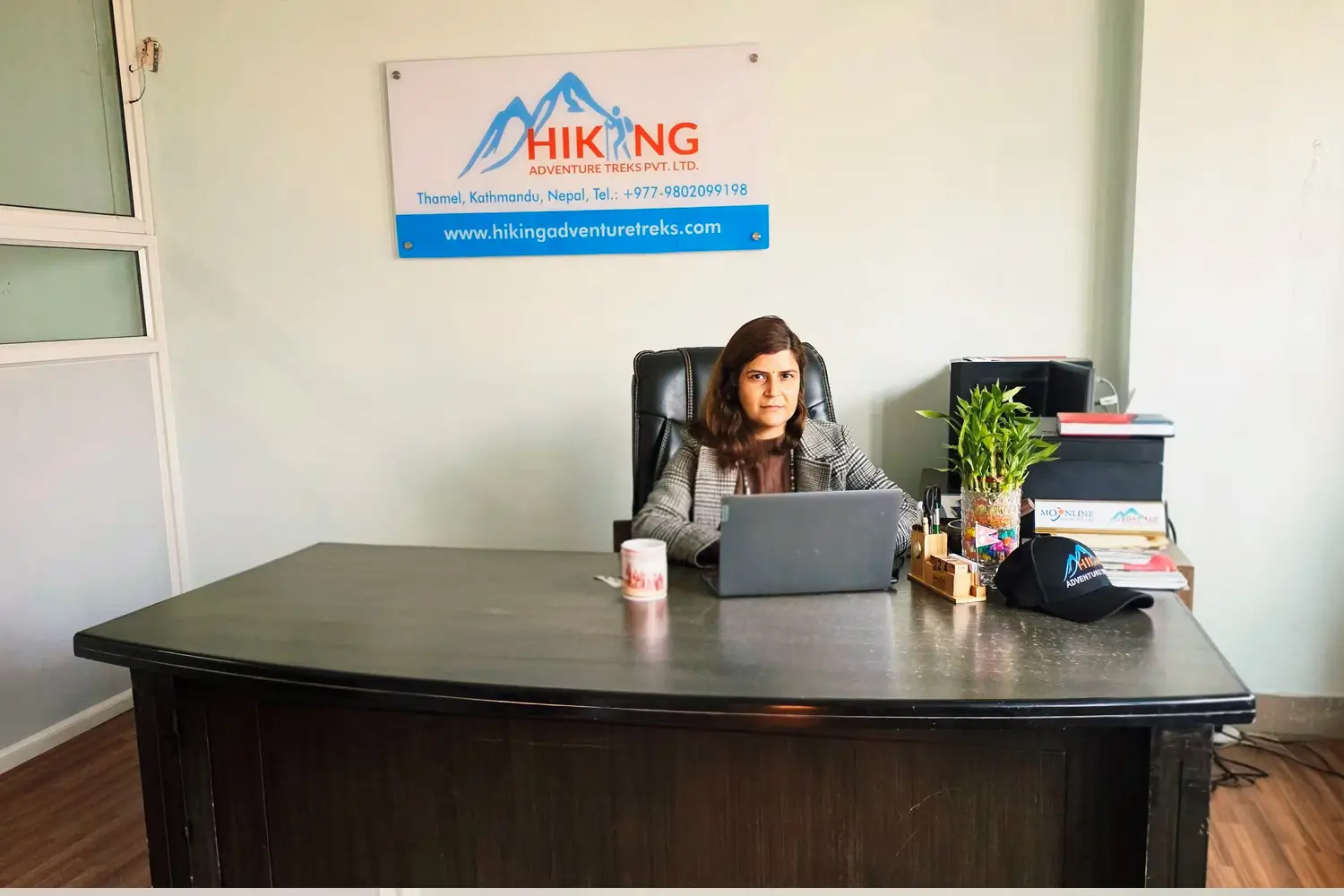
After spending many years in Nepal’s tourism industry, organizing trekking tours, answering countless client questions, and managing operations from city to mountains, I’ve gained a deep understanding of two things:
Why trekkers need a trained, reliable guide for safety and a richer experience.
Why consistent work opportunities matter for guides and porters to sustain their livelihood and continue sharing their knowledge.
Guides carry more than backpacks — they carry stories, trail wisdom, survival skills, and the responsibility of making someone’s mountain dream safe and memorable. The more work they get, the more they grow, and the more knowledge they can pass on.
This blog is my way of giving clarity to trekkers and appreciation to guides who keep Nepal’s mountain tourism alive.
About Me — Sajana Tripathi
Namaste! I am Sajana Tripathi, Managing Director of Hiking Adventure Treks. For many years, I have been organizing trekking and tour trips across Nepal, working with MICE groups, Indian pilgrimage tours, and international trekking adventurers. Whether planning logistics, arranging guides and porters, or answering every small and big question from guests, I believe travel is smoother when knowledge is shared, questions are welcomed, and journeys are guided with care.
I also personally help guests choose treks based on their preferences, whether it’s a high-altitude adventure, a cultural trek, or a peaceful valley hike. This ensures each traveler enjoys a journey perfectly suited to their interests, fitness level, and adventure style.
About Our Team — Hiking Adventure Treks
At Hiking Adventure Treks, we bring decades of experience, passion, and local knowledge to make your Himalayan adventure unforgettable.
Ram Barakoti, an integral member of our team, has been actively involved in tourism since 2006. With over 15 years of hands-on experience, Ram specializes in planning immersive Himalayan trips, combining adventure, culture, and scenic beauty. He works closely with guests to design personalized itineraries, ensuring every step of the trek is safe, enriching, and memorable.
Together, our team of licensed, insured, and highly skilled guides — including Yadu, Anil, KB, Santosh, and Bishnu — makes every trek enjoyable, culturally enriching, and safe. From navigating high passes to sharing local traditions, games, stories, and light-hearted humor, our guides transform treks into once-in-a-lifetime Himalayan experiences.
Female Trekking Guide in Nepal | Breaking Social Barriers
Today, Nepali women are walking hand in hand with men in mountain tourism. More women are stepping out of traditional expectations, breaking social barriers, and training to become trekking professionals.
Many solo female travelers and women-led groups now prefer female guides — not because skills differ, but because representation matters, comfort matters, and Nepal is building a more female-friendly environment for trekking.
I personally feel so glad to see this transformation. Nepal’s trekking community is becoming more inclusive, supportive, and empowering — and our female guides are proving every day that the mountains are for everyone.
Benefits of Hiring a Trekking Guide in Nepal
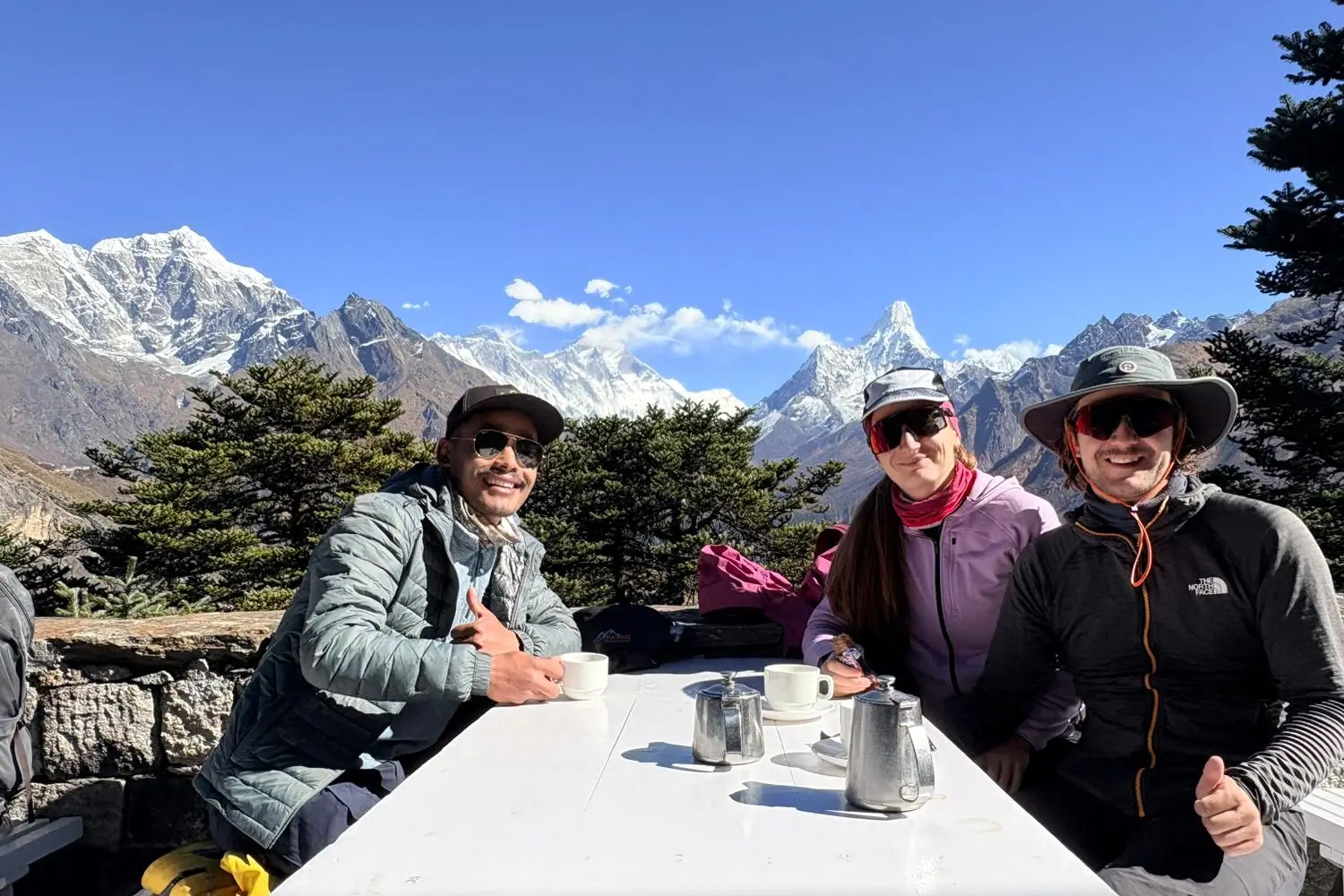
Hiring a trekking guide in Nepal is one of the smartest decisions a trekker can make, especially when exploring the Himalayas. Whether you're trekking the Everest region, Annapurna trails, or off-the-beaten-path routes, a licensed guide ensures your journey is safe, meaningful, and stress-free. Here’s how a guide truly elevates your trekking experience:
1. Expert Navigation on Remote Trails
The Himalayas are vast and many trekking routes in Nepal cross through forests, high ridges, alpine paths, and glacial moraines where signboards are limited. A licensed trekking guide in Nepal knows these trails like a storyteller knows their script. They prevent you from getting lost, choose safer alternate paths when needed, and guide you through challenging sections with confidence.
2. First-Aid & Emergency Handling
Mountain travel always carries uncertainty — sudden injuries, weather shocks, or altitude-related illness can happen even to experienced trekkers. Professional guides in Nepal are trained in Wilderness First-Aid, CPR, and emergency response. They carry medical kits, stabilize situations instantly, and contact rescue services if required. This is why high-altitude trekking guide hiring in Nepal is not just a service but a safety backbone.
3. Altitude Sickness Awareness & Prevention
Altitude sickness is one of the most underestimated risks of Himalayan trekking. Regions like Everest Base Camp, Annapurna Base Camp, Mera Peak, and High Passes take you above 4,000–5,000 meters where oxygen levels drop. A trekking guide monitors your symptoms, suggests acclimatization practices, controls your walking pace, and provides early prevention techniques like hydration reminders and altitude checks.
4. Language & Cultural Interpretation
Nepal’s mountains are home to Sherpa, Gurung, Tamang, Thakali, and many other Himalayan communities. A guide bridges language barriers, explains traditions, introduces you to local lifestyles, and shares stories behind monasteries, villages, prayer flags, and mountain rituals — making your trek culturally immersive. As a company led by Sajana Tripathi, MD of Hiking Adventure Treks, we understand how valuable language comfort is, especially with Spanish-speaking trekking guides in Nepal for our clients.
5. Permit, Teahouse & Logistics Management
Trekking in Nepal involves TIMS cards, National Park or Conservation Area permits, teahouse coordination, meal planning, and route timing. A guide handles all this so you can enjoy the trek without paperwork stress. They secure rooms in peak season, order meals in advance to save waiting time, and manage itinerary flow efficiently.
6. Weather, Trail Risk & Mountain Insight
Weather in Nepal’s mountains changes rapidly — clear mornings can turn into snowstorms or fog by afternoon. Guides track forecasts, understand mountain moods, and assess risky sections like landslide zones, snowy passes, or slippery descents. Their insight keeps you safe while adding a layer of mountain intelligence that no map can teach.
7. Carrying Safety Equipment & First-Aid Kits
Licensed guides always trek prepared. They carry first-aid kits, oximeters, emergency blankets, ropes (if needed), and safety tools. This readiness is a mark of professionalism and trust — a crucial aspect when searching for the best trekking guides Nepal.
8. Storytelling for a Meaningful Trek
A Nepal trekking guide shares stories — of mountains, legends, local heroes, wildlife, people, and life at altitude. This turns a physically challenging trek into a soul-filling journey. It’s one of the reasons trekkers remember Nepal forever, and why hiring a guide contributes to responsible trekking tourism in Nepal.
9. Supporting Local Economy & Rural Families
Trekking guides and porters are the heart of Nepal’s rural mountain economy. Hiring them means supporting families, children’s education, and keeping tourism alive in remote villages. The more guides work, the more they can carry forward their profession, grow their skills, and continue sharing knowledge with future trekkers.
10. Female Guide Empowerment & a Growing Friendly Environment
Nepal is witnessing a powerful shift. Women are breaking stereotypes, getting trained, earning trekking licenses, and leading groups into the mountains. Many agencies, including your own Hiking Adventure Treks, support female guides equally, provide insurance, fair wages, and safe work conditions. Nepal is building a female-friendly trekking environment, making solo female travelers feel safer and more represented.
Can I Hire a Porter-Cum-Guide in Nepal?
Yes — you can hire a porter-cum-guide, but it depends on the trek.
Suitable for:
Short and low-altitude treks (Ghorepani, Poon Hill, easy routes)
Trekkers carrying minimal gear
Budget-friendly trekking
Not ideal for:
High altitude treks (EBC, Annapurna Base Camp, Mera Peak, High Passes)
Technical or long trekking routes
Groups expecting deep cultural and safety guidance
Pros:
Cost-effective
One person handles both roles
Cons:
Can be physically overloaded
Less focus on guiding when porter duties increase
For safe and high-altitude adventures, it’s always better to hire a dedicated licensed guide + porter team.
How to Become a Trekking Guide in Nepal
Becoming a licensed trekking guide in Nepal is a journey of passion, training, and real Himalayan field experience. Nepal’s trekking industry values trained professionals, and aspiring guides can now build strong careers through recognized institutions and mountain organizations.
National organizations, including NATHM (Nepal Academy of Tourism & Hotel Management) and the Nepal Mountaineering Association (NMA), play a major role in organizing professional trekking guide training. Institutions like NATHM and NMA/NMA training department (NMA) conduct structured courses designed to prepare guides for real mountain responsibilities.
What do guides learn during trekking guide training in Nepal?
During these professional programs, trekking guides are trained in key areas such as:
- Himalayan trail knowledge & navigation skills — learning famous trekking routes like Everest, Annapurna, Langtang, and remote mountain trails
- Basic map reading and route planning to safely guide guests through changing terrains
- Wilderness First-Aid training — understanding common trekking risks, altitude sickness symptoms, CPR basics, and emergency medical response
- Rescue coordination skills including how to handle mountain emergencies and communicate for evacuation support
- Nepal’s mountain culture and traditions — learning about Sherpa, Gurung, Tamang, Thakali communities, monasteries, festivals, food, and Himalayan lifestyles
- Guiding ethics, hospitality, and leadership to manage trekking groups responsibly
- Communication and guest-handling skills — how to brief clients, solve problems, manage teahouse logistics, and make the trek enjoyable
- Environmental awareness and sustainable trekking practices in Nepal
Once this training is completed, guides can apply for an official trekking guide license from the Government of Nepal, allowing them to legally work in the mountains. This license is a mark of professionalism and trust in Nepal’s trekking sector.
Specialization Trainings to Upgrade Skills
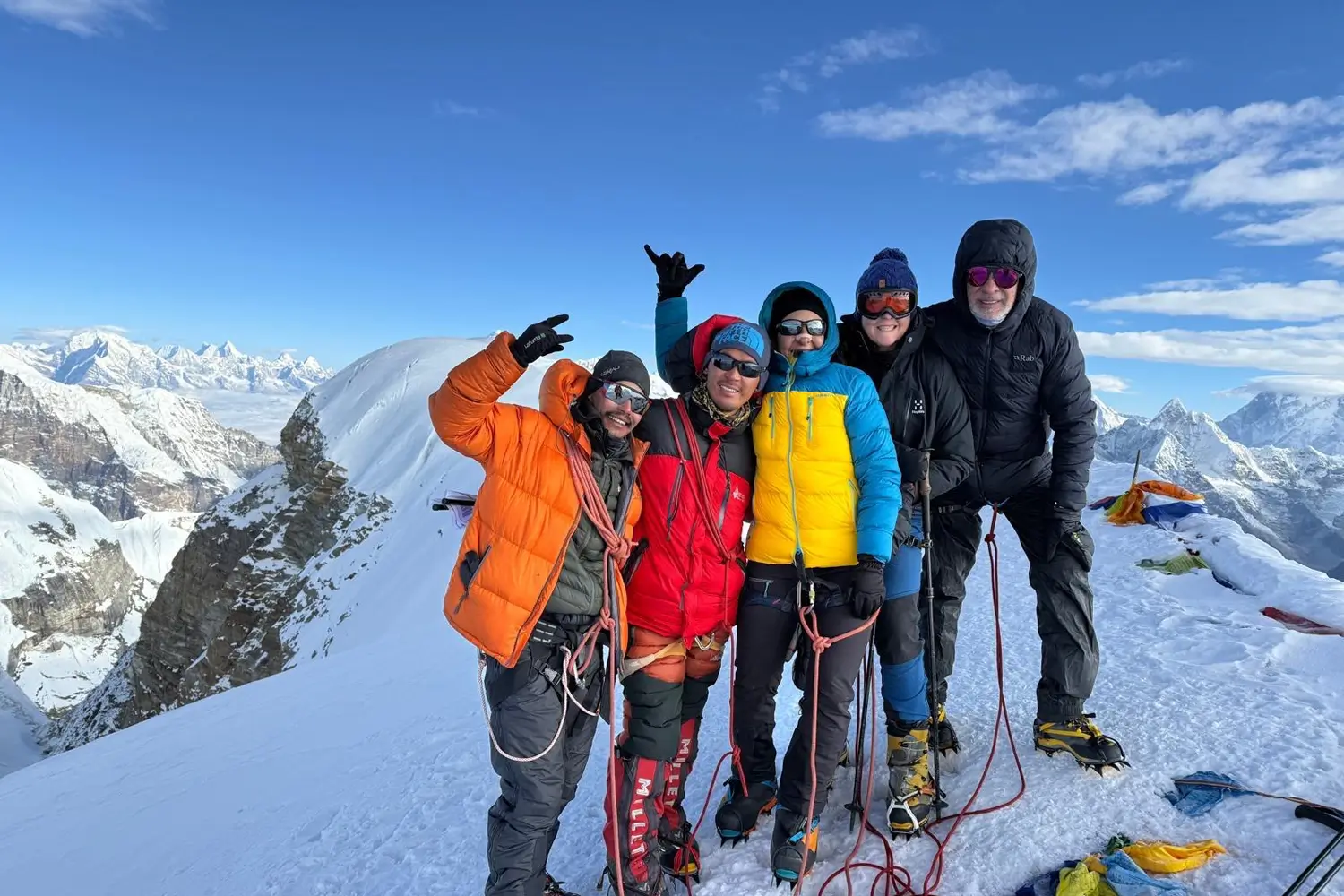
After earning a license, many trekking guides continue their learning by taking part in specialization courses, such as:
- High-altitude guiding training
- Peak climbing and mountaineering assistant guide courses
- Advanced first-aid and helicopter rescue coordination
- Foreign language training (Spanish, German, French, Chinese, etc.)
- Nature and wildlife interpretation
- MICE and group leadership training
- Winter and off-season trekking safety preparation
These advanced programs help guides improve their confidence, technical ability, and professional value, especially in high Himalayan treks.
Experience Makes the Best Trekking Guide
Even with training, the real transformation happens on the trail. As we say in Nepal’s guiding community, “practice makes the guide perfect.” No classroom can replace real mountain exposure — the more guides work, the sharper their skills become.
Trekking guide experience in Nepal is the biggest teacher. With every group they lead, guides learn to read the mountains better, understand clients faster, manage risk smarter, and tell stories more beautifully. Licensed trekking guides in Nepal get better and better with every trek they complete.
Because truly…
“Practice makes the man perfect, but experience makes the guide the best.”
And what makes Nepal even more inspiring today is that female trekking guides in Nepal are confidently joining this profession, training alongside men, and building a stronger, safer, and more inclusive trekking environment for future generations.
Trekking Guide Salary & Earnings in Nepal
| Type | Average Earnings |
| Agency Guide | USD 25-40 per day (varies by trek, altitude, language skills) |
| Monthly Salary (Seasonal Work) | NPR 50,000 – 75,000 per month depending on experience and demand |
Factors affecting income:
- Trekking season (Feb–May, Sep–Nov = high demand)
- Language specialization (Spanish, French, German, etc.)
- Altitude and technical training
- Freelance vs agency hiring
- Group size and trek region
Tipping Culture | How Much to Tip a Trekking Guide in Nepal?
In Nepal, tipping a trekking guide is not mandatory, but it is a widely respected gesture of appreciation for their hard work, expertise, and dedication. Trekking guides often work long hours, carry heavy responsibilities, and ensure your safety and comfort in challenging mountain conditions. Showing gratitude through tipping is a way to acknowledge their efforts and support the local economy.
Recommended Tipping Guidelines
Per day: USD 8 – 15 per trek day
For the entire trek: USD 80 – 150, depending on the trek duration, difficulty, and level of service provided
When to Consider Extra Tips
You may want to tip more generously if your guide:
- Provided exceptional support during sickness or altitude challenges
- Took extra responsibility, such as handling difficult logistics or heavy loads
- Went above and beyond to make your trek safe, enjoyable, and memorable
Tips for Tipping a Guide in Nepal
- Always give tips in cash (USD or NPR are both acceptable).
- Offer tips at the end of the trek, preferably in a private and respectful manner.
- If you traveled with a porter-cum-guide or team, consider sharing tips according to their roles.
A tip is more than money — it is a symbol of respect, gratitude, and encouragement for trekking guides who dedicate their lives to making Himalayan adventures safe and unforgettable.
Who is the Best Trekking Guide in Nepal?
Finding the best trekking guide in Nepal can make the difference between a good trek and an unforgettable Himalayan adventure. A professional guide should be:
- Licensed by the Government of Nepal, ensuring they meet official standards for safety and expertise
- Insured and professionally trained to handle emergencies, altitude challenges, and high-altitude trekking routes
- Experienced in specific regions, from Everest Base Camp and Annapurna Circuit to remote highland trails
- A skilled communicator, capable of guiding groups in multiple languages, including Spanish, and explaining local culture
- First-aid and emergency rescue certified, ready to respond to any unexpected situations
- Eco-tourism aware, promoting responsible trekking practices to protect Nepal’s fragile mountain environment
- Friendly, patient, and responsible, providing support and guidance that makes every trek enjoyable and stress-free
Instead of spending time searching for the perfect guide, you can leave the hassle to Hiking Adventure Treks. We carefully select our guides to ensure you have a safe, memorable, and culturally enriching trekking experience. Our guides are not only highly knowledgeable about the Himalayas, local culture, and trails, but we also have guides who speak Spanish to make your journey even smoother and more comfortable.
With Hiking Adventure Treks, you can relax and focus on enjoying the mountains, confident that you are in the hands of experienced professionals who truly care about your adventure.
Real Stories That Show the Value of a Trekking Guide in Nepal
Sometimes, the difference between a good trek and a life-changing Himalayan experience comes down to having a hardworking, trustworthy, and skilled guide. Here are a couple of real examples from our treks:
1. Going Above and Beyond: Santosh’s Dedication
We sent Santosh as a guide with a couple, Fernando and his wife Maria for Annapurna Circuit Trek. They initially decided they didn’t need a porter. However, when they faced the challenging Throung La pass, Santosh didn’t hesitate — he carried Maria’s luggage himself to ensure their safety and comfort. The couple was so impressed by his dedication and professionalism that they spoke highly of him. In fact, subsequent trekking groups who came through their recommendation specifically requested Santosh as their guide.
2. Life-Saving Support: Bishnu’s Quick Action
Once, a guest suffered a head injury after accidentally falling. Our guide Bishnu immediately sprang into action — he carried the injured trekker on his back through the rugged trail and safely got him to the nearest hospital. Thanks to Bishnu’s courage, skill, and calm decision-making, the trekker received timely medical attention, avoiding potentially serious consequences.
These stories illustrate a key truth: a strong, trustworthy, and experienced trekking guide can completely transform your Himalayan experience. From ensuring safety and handling emergencies to offering support during tough passes and sharing local knowledge, guides are the backbone of every successful trek in Nepal.
How Our Guides Make Treks Unforgettable
At Hiking Adventure Treks, our guides are not just experts on trails and safety — they make your Himalayan adventure truly memorable. Guests often praise guides like Yadu, Anil, and KB for the little things that turn a trek into a unique experience:
- Sharing Local Games and Traditions: They teach trekkers traditional Nepali games, songs, and rituals, giving visitors a glimpse into the culture beyond villages and monasteries.
- Adding Humor and Joy: A little laughter goes a long way on long trekking days. Our guides keep the mood light, sharing jokes, stories, and playful moments with every group.
- Meaningful Conversations: Guides sit down with guests to talk about life, local customs, and Himalayan culture, creating genuine connections that stay in your heart long after the trek ends.
- Personal Attention: From helping with small logistics to offering encouragement on tough sections, our guides ensure every trekker feels supported, safe, and included.
Guests consistently remark that treks with Yadu, Anil, KB, and our other guides are more than just walks through the mountains — they are cultural journeys filled with learning, laughter, and unforgettable memories.
These experiences highlight why hiring a licensed trekking guide in Nepal doesn’t just enhance safety — it transforms your entire Himalayan adventure.
Safety & Responsible Tourism in Nepal
Trekking in Nepal is not just about beautiful landscapes — it’s also about safety, responsible travel, and preserving the mountains. A licensed trekking guide in Nepal plays a critical role in ensuring both.
Safety First
- Altitude Awareness & Health Monitoring: Guides know the symptoms of altitude sickness and advise proper acclimatization schedules, hydration, and diet to prevent emergencies.
- Weather & Trail Monitoring: Mountain weather is unpredictable. Guides monitor real-time conditions and adjust the trekking plan to avoid dangerous situations like landslides, snowstorms, or river crossings.
- Emergency & First-Aid Training: All professional guides are trained in basic first aid, CPR, and evacuation procedures. In remote areas, they can coordinate rescue operations or helicopter evacuations if necessary.
- Group Management & Support: Guides manage trekking pace, rest stops, and ensure every group member stays safe and comfortable on long or challenging routes.
Responsible & Eco-Friendly Trekking
- Minimizing Waste: Guides encourage trekkers to carry reusable water bottles, avoid single-use plastics, and dispose of waste responsibly.
- Preserving Culture & Environment: Guides educate trekkers about respecting local customs, monasteries, wildlife, and sacred sites.
- Hiring guides, porters, and staying in local teahouses ensures tourism benefits mountain communities directly.
Why it matters: With a professional guide, your trek is safer, smoother, and leaves a positive impact on Nepal’s environment and people.
How Much Does a Trekking Guide Cost in Nepal?
| Trek Type | Guide Cost (Average) |
| Easy Teahouse Trek | USD 20–30/day |
| Moderate Trek | USD 25–30/day |
| High Altitude Trek (EBC, ABC) | USD 30–40/day |
| Peak Climbing Guide | USD 50–70/day |
| Porter cost: | USD 20–25/day |
If hiring through a trusted agency like Hiking Adventure Treks, the cost includes insurance, gear, seasonal stability, logistics support, and professionally trained staff.
More FAQs for Trekking Guide in Nepal
Is a trekking guide mandatory in Nepal?
Yes — guides are mandatory in many regions including Everest, Langtang, Manaslu, and Annapurna Conservation areas.
Do guides arrange helicopter rescue?
Yes — professional guides coordinate emergency evacuation when needed.
Do guides carry safety kits?
Licensed guides always carry first-aid kits and safety essentials.
Can guides speak Spanish or other languages?
Yes — many trained guides specialize in languages. I personally work closely with Spanish-speaking guide teams and understand the value of language comfort for trekkers.
Conclusion: Why Hiring a Trekking Guide in Nepal Matters
Trekking in Nepal becomes safer, smoother, and far more rewarding when accompanied by a trained, licensed guide. Guides don’t just lead the way — they protect your journey, share invaluable mountain knowledge, and enrich your experience with cultural insights, storytelling, and expert trail navigation. Beyond the trek, they also support local communities, ensuring that tourism benefits the families and villages that make these Himalayan adventures possible.
What’s even more inspiring is the growing presence of female trekking guides in Nepal. Their rising participation is making the trekking industry more inclusive, empowering, and welcoming, and it reflects the country’s commitment to gender equality in adventure tourism.
If you’re planning your next Himalayan adventure and want a reliable, experienced, insured, and female-friendly guide team, Hiking Adventure Treks is here to make your dream trek a reality. With professionalism, safety, and local expertise at the forefront, we ensure every step of your journey is memorable, secure, and meaningful.
Hire Your Trekking Guide with Hiking Adventure Treks
Planning a trek in Nepal? Leave the hassle of finding the best guide to us. At Hiking Adventure Treks, we carefully select licensed, experienced, and knowledgeable guides to ensure your Himalayan adventure is safe, smooth, and unforgettable.
How We Choose Our Guides?
- Licensed & Insured: All our guides are officially certified by the Government of Nepal and carry professional insurance.
- Expertise Across All Regions: Everest, Annapurna, Langtang, Manaslu, Upper Mustang — our guides know the trails inside out.
- Female-Friendly & Inclusive: We provide female guides for solo women travelers or women-led groups, making treks more comfortable and secure.
- Multilingual Support: We also have guides who speak Spanish, French, and other languages, ensuring your experience is smooth and enjoyable.
- Cultural & Safety Knowledge: Our guides don’t just lead; they share Nepal’s culture, history, and Himalayan stories, while keeping safety a top priority.
Book Your Trek with Confidence
By hiring your trekking guide through Hiking Adventure Treks, you can:
- Focus entirely on enjoying the mountains
- Trust that all logistics, permits, and emergency planning are handled
- Experience a safe, enriching, and memorable trek in Nepal
Your Himalayan adventure deserves the best. Contact Hiking Adventure Treks today
Whatsapp : +977 9802099198 (Sajana Tripathi)
and let our guides take care of the rest — from Everest Base Camp to Annapurna, we ensure every step is secure and unforgettable.

Sajana Tripathi
Call us on WhatsApp+977 9802099198OrChat with us