Why Manaslu?
If you are looking for a reason to choose the Manaslu Circuit over the more trodden paths of the Everest or Annapurna regions, the answer lies in its rare balance of raw challenge and untouched serenity. Trekking here has become a new sensation because it allows you to witness the "Spirit of the Mountains" in a way that feels deeply personal and authentic. It isn't just about the physical distance you cover; it’s about the worth of each hidden attraction you discover along the way.
The Ultimate Thrill: Larkya La Pass (5,106m)
The crowning achievement of this trek is undoubtedly the Larkya La Pass. Standing at 5,106 meters (16,752 feet), it is one of the longest and most rewarding passes in the Himalayas. Reaching the top is an emotional rollercoaster—a mix of excitement, fear, and pure thrill. From the summit, you are rewarded with a 360-degree panoramic theater of giants, including Annapurna II, Himlung, Cheo Himal, and the Larkya Peak itself. Looking down, you’ll see the massive Larkya Glacier carving its way through the mountains, a sight that makes every difficult step worth the effort.
Shyala: The "Hidden Jewel"
One of the region’s best-kept secrets is Shyala Village, often called the "Hidden Jewel of the Manaslu Circuit." Perched at 3,575 meters, Shyala is set on an open plateau that serves as a natural amphitheater for some of the most dramatic mountain views in Nepal.
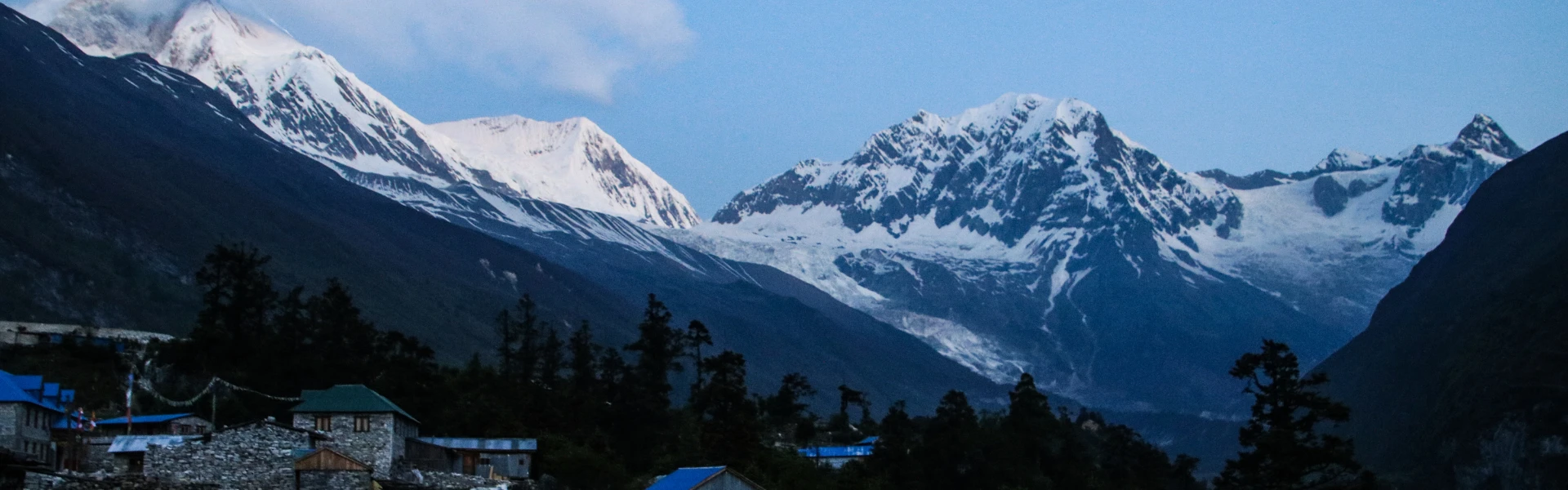
Unlike many villages tucked into narrow gorges, Shyala offers unobstructed views in nearly every direction. From your teahouse window, you can watch the sunrise transform Mount Manaslu (8,163m), Himal Chuli, and the sharp, pointed summit of Peak 29 (Ngadi Chuli) into shimmering shades of gold and pink. It is a place where you can breathe the crisp mountain air, smell the sweet juniper incense from local monasteries, and truly connect with the "Spirit of Manaslu."
A Living Museum: Ancient Culture and Heritage
Choosing Manaslu means stepping into a living cultural museum. The upper Nubri region is deeply influenced by Tibetan Buddhist traditions that have remained unchanged for centuries. The trails are lined with:
- Mani Walls: Stones intricately carved with sacred mantras.
- Prayer Flags (Lungdar): Vibrant flags tied to poles that flutter in the wind, representing spiritual faith.
- Traditional Stone Architecture: Houses built with thick stone walls to withstand the harsh mountain environment, often topped with flat roofs for storage.
The Nubri people maintain a simple, hardworking lifestyle centered around agriculture and yak herding. Their hospitality is legendary; you’ll find yourself welcomed with Tibetan butter tea and nourishing meals like Dal Bhat or local buckwheat recipes in cozy, family-run teahouses.
The Allure of Side Trips: Lakes and Monasteries
What truly sets Manaslu apart are the legendary side trips that offer "spiritual and natural insights" into the high Himalayas.
- Kalcchuman Lake (Kal Tal): Known as the "Hidden Death Lake," this sacred high-altitude lake offers a perfect reflection of Mount Manaslu in its still waters.
- Pungyen Gompa: A hike to what is considered the old Manaslu Base Camp, where you’ll find a monastery tucked in a deep valley surrounded by three towering peaks.
- Birendra Tal: A stunning turquoise freshwater lake formed by the Manaslu Glacier.
In short, Manaslu is for the traveler who wants the grandeur of the 8,000-meter peaks without the commercial noise, providing a journey that is as much about personal discovery as it is about high-altitude adventure.
Strategic Stops: Villages You Can't Miss
Trekking the Manaslu Circuit is as much about the destination as it is about the quiet, stone-paved moments in the villages that line the path. These are not just places to sleep; they are living museums of Tibetan culture and strategic sanctuaries for your body to adjust to the thinning air. To truly capture the "Spirit of the Mountains," here are the four villages you absolutely cannot skip.
Lho: The Gateway to Spiritual Grandeur
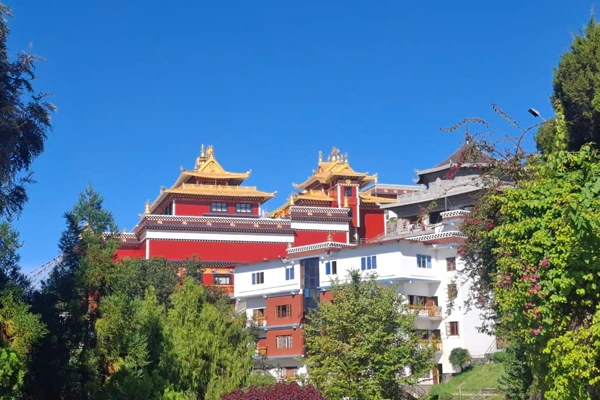
On the sixth or seventh day of your journey, you’ll walk into Lho, a village that feels like it was carved directly from the surrounding peaks. Lho is most famous for the Ribung Monastery, a majestic structure perched on a hilltop that is visible from almost anywhere in the territory.
The village is a sensory delight: you’ll see traditional stone houses adorned with lungdar (prayer flags) fluttering against the sky, representing the deep Buddhist faith of the local people. As you walk through, you’ll notice fields of wheat, barley, and potatoes—the lifeblood of the community. Don’t miss the chance to try organic Tibetan-inspired recipes here; the food is highly nutritious and offers an authentic taste of Himalayan life. But the real magic of Lho happens at dawn; the sunrise view of Mt. Manaslu from the monastery is nothing short of legendary.
Shyala: The Panoramic Sanctuary (3,575m)
Often called the "Hidden Jewel" of the circuit, Shyala is a peaceful high-altitude settlement situated at 3,575 meters. Unlike many villages tucked into narrow gorges, Shyala sits on a wide, open plateau, offering what many consider the best panoramic views in the region.
From your teahouse window, you can witness an "amphitheater of mountains," including Mt. Manaslu, Himalchuli, Ngadi Chuli (Peak 29), and Ganesh Himal. This village is a critical acclimatization stop; following the trekking rule of "trek high, sleep low," staying in Shyala helps your body produce the red blood cells needed for the challenges ahead. It’s a place of "space and light," where the smell of juniper incense from the monastery mingles with the crisp mountain air.
Samagaun: The Pulsing Heart of the Circuit
Continuing from Shyala, you’ll reach Samagaun, the largest and most vibrant settlement in the region. Samagaun serves as the ultimate base for exploration, acting as the gateway to iconic side trips like the Birendra Tal glacial lake, Pungyen Gompa, and the Manaslu Base Camp itself.
The village is rich with cultural markers: ancient monasteries, intricately carved mani walls, and spinning prayer wheels. Because it is a popular rest stop, it’s the perfect place to immerse yourself in the Nubri culture, watch yaks grazing in the wide valley, and socialize with fellow trekkers from around the world.
Samdo: The Last Frontier Before the Pass
As the landscape turns more rugged and the trees disappear, you arrive at Samdo—the final village before you tackle the Larkya La Pass. Located remarkably close to the Tibetan border, Samdo was once a vital trade center between Nepal and Tibet.
Life here is simple and hardworking, centered around yak herding and high-altitude farming. The village is surrounded by vast grazing lands, and the atmosphere is deeply influenced by Tibetan traditions. Staying in Samdo feels like standing on the edge of the world; it is your final moment of civilization before the remote, snowy ascent to the trek’s highest point.
Epic Side Trips: Lakes, Monasteries & Base Camps
While the main trail of the Manaslu Circuit is spectacular, the true "Spirit of the Mountains" is often found by taking the path less traveled. These side trips are the secret sauce of the journey, offering spiritual and natural insights that turn a standard trek into a soul-stirring expedition. Whether you are looking for a peaceful reflection by a glacial lake or the adrenaline of standing at the foot of an 8,000-meter giant, these detours are worth every extra step.
Birendra Tal and Kal Tal
- Birendra Tal (3,691m): Located just a short 2-3 hour hike from Samagaun, this turquoise freshwater lake is a must-see. Formed by the Manaslu Glacier, the lake is considered sacred by the local Nubri people. In the autumn, the water remains a stable, crystal-clear mirror reflecting the massive peaks above, while in the spring, you can witness the astonishing Manaslu glacier tumbling right toward its edges.
- Kalcchuman Lake (Kal Tal): For those seeking mystery, Kal Tal—translated as the "Death Lake"—is a hidden gem reached from Prok village. It is a challenging five-hour ascent through rhododendron forests and steep stone staircases. For local Buddhists, it is a site of healing and ritual, especially during full moon days when they burn juniper to purify the air. The reward is a perfect, silent reflection of Mount Manaslu in the dark waters.
Pungyen Gompa and Ribung Monastery
- Pungyen Gompa: Often described as a mystical sanctuary, this monastery sits in a deep valley between snow-capped mountains and rocky hills. Known as the "Old Manaslu Base Camp," its name means "three peaks," referring to the towering giants that surround it. It is a place of deep divine energy where you can meditate with local monks, watch yaks graze in high meadows, and enjoy unobstructed views of Mt. Manaslu and Himal Chuli.
- Ribung Monastery (Lho): Perched majestically on a hilltop in Lho village, this monastery is the spiritual landmark of the region. It is perfectly positioned to offer the most iconic sunrise view of Manaslu. Visiting here allows you to immerse yourself in Tibetan Buddhist culture, surrounded by vibrant prayer flags and the rhythmic chanting of the monks.
Manaslu Base Camp (4,800m)
For trekkers who crave a physical challenge, the hike to Manaslu Base Camp is the ultimate side trip from Samagaun. At 4,800 meters, this is one of the more demanding excursions, but it offers a profound sense of accomplishment. Standing here puts you at the very foot of the world's 8th-highest mountain, where you can share stories with elite mountaineers and get an up-close look at the massive Manaslu glacier.
Life on the Trail
Trekking the Manaslu Circuit is more than just a test of physical endurance; it is a deep dive into a world where ancient traditions and mountain hospitality create a sanctuary for the weary traveler. On these trails, your experience is defined by the warmth of the people you meet and the simple comforts of the teahouses that become your home away from home.
Himalayan Hospitality
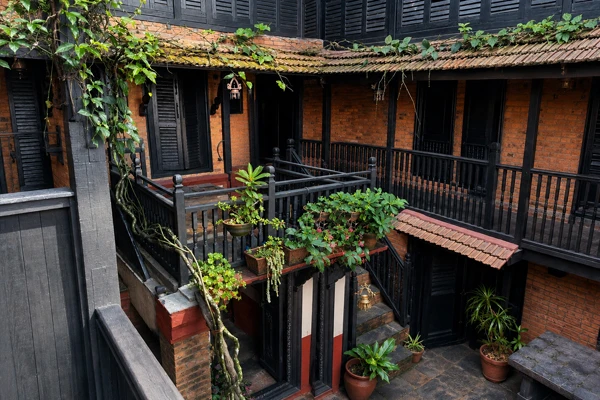
The accommodations along the trail, primarily traditional teahouses and guest lodges, offer a cozy and authentic way to experience the high Himalayas. Most lodges are built from local stone and wood, featuring simple twin-sharing rooms equipped with wooden beds, thin mattresses, and warm blankets to fend off the sub-zero night air. While the rooms themselves usually lack heating, the dining hall serves as the heart of the lodge, warmed by a central stove and acting as a vibrant social hub where trekkers from across the globe share stories over hot tea.
Facilities are functional but basic, reflecting the remoteness of the region. You will typically find communal bathrooms with squat-style toilets, and while hot showers are often available, they are usually heated by solar or gas energy and may incur a small additional fee. Electricity and internet access are limited and can be unreliable, encouraging a rare and peaceful disconnection from the modern world.
A Taste of the High Himalayas
Food on the trail is fresh, nourishing, and specifically designed to provide the long-lasting energy needed for high-altitude trekking. The undisputed king of the mountain menu is Dal Bhat, a hearty serving of lentil soup, rice, and seasonal vegetables that is both delicious and filling.
Because of the deep Tibetan influence in the upper Nubri region, you can also enjoy authentic local specialties like
- Tibetan Bread and Thukpa: Nourishing noodle soups and traditional fried breads.
- Momos and Chowmein: Familiar favorites prepared with a unique Himalayan twist.
- Specialty Items: Savory yak cheese, buckwheat recipes, and the iconic Tibetan butter tea, which is a local specialty of the Manaslu region.
- Health-Conscious Options: Many lodges offer garlic soup, a traditional remedy used by trekkers to assist with altitude adjustment.
Walking Through Living Heritage
The culture of the Manaslu region is shaped by the Nubri people, whose Tibetan ancestry is visible in every stone house and fluttering prayer flag. As you trek, you are walking through a living history book where Buddhist practices are woven into daily life. You will pass by mani walls carved with sacred mantras, spinning prayer wheels, and small chortens that act as spiritual markers for the community.
Living in harmony with the environment, the locals depend on yak herding and high-altitude farming of barley, buckwheat, and potatoes. Witnessing their simple, hardworking lifestyle from the rhythmic chanting of morning prayers to the sight of yaks grazing in alpine meadows. This adds a profound spiritual layer to your journey. The humility and hospitality of the Nubri people often leave a more lasting impression on travelers than the mountains themselves.
Logistics and Safety
Planning a journey to the heart of the Himalayas isn't just about booking a flight; it’s about preparing your body and your backpack for one of the most remote environments on Earth. To ensure your Manaslu Circuit Trek is a "new sensation" rather than a struggle, you need to master the logistics and respect the mountain's rules.
When to Go to Shyala Village
Timing is everything when you’re aiming for those 360-degree views from the Larkya La Pass.
- Autumn (September to November): This is widely considered the gold standard for trekking. You can expect stable weather, crisp, clear skies, and daytime temperatures ranging from 8°C to 16°C. This season offers the most reliable "panoramic theatre" of peaks like Manaslu and Himal Chuli.
- Spring (March to May): A favorite for nature lovers, this season brings blooming rhododendrons and mild temperatures (10°C to 18°C). While the mornings remain chilly, the visibility is excellent for photography.
- The Challenging Off-Seasons: Winter (December to February) brings sub-zero nights and slippery, snow-covered trails that require advanced high-altitude experience and heavy-duty gear. Summer (June to August) is monsoon season, often marked by heavy clouds and occasional landslides.
Permits for Shyala Village
Because the Manaslu region lies within a restricted area and a conservation zone, you cannot simply show up and start walking. You are required to obtain two primary permits:
- Manaslu Restricted Area Permit (RAP): Essential for entering this sensitive border region.
- Manaslu Conservation Area Permit (MCAP): Supports the preservation of the local ecosystem.
Pro Tip: These permits must be processed through a registered trekking agency in Kathmandu, a process that typically takes 2 to 3 days. Ensure you have these sorted before you head to the trailhead, as they will be checked at various checkpoints like Namrung.
High-Altitude Safety
The "Spirit of the Mountains" is best enjoyed when you aren't fighting altitude sickness. The secret to success is the golden rule: "Trek High, Sleep Low".
- Tactical Acclimatization: Villages like Shyala (3,575m) and Samagaun are critical rest stops. Staying at Shyala’s altitude allows your body to produce more red blood cells, which helps in oxygen distribution before you tackle the higher stretches of Samdo and Dharamsala.
- Listen to Your Body: Maintain a steady, slow pace. Traditional remedies, such as garlic soup, are widely used by both locals and trekkers to assist with altitude adjustment.
- Safety First: Always have a plan for emergency evacuation by helicopter, which is only possible in clear weather.
Packing Checklist
In the remote Himalayas, your gear is your lifeline. Since most teahouses provide only basic rooms and thin blankets, you must be self-sufficient.
- Core Clothing: Sub-zero rated layers, waterproof trekking boots, and a high-quality down jacket.
- The Sleep System: A sub-zero rated sleeping bag is non-negotiable for the freezing nights in places like Samdo or Dharamsala.
- Electronics:Power banks are essential, as charging facilities in villages like Shyala are inconsistent and often carry a fee.
- Health and Hydration: A reliable water purification system and a personal medical kit containing basics for altitude and common trail ailments.
Conclusion
The Manaslu Circuit Trek is more than just a trail; it is a "new sensation" for global explorers seeking an authentic encounter with the rawest parts of the Himalayas. Throughout this journey, you don’t just walk through a landscape; you step into a "journey through time" where the rhythms of life remain deeply rooted in traditional Tibetan Buddhist culture. From the lush lowlands to the stark, snow-covered beauty of the high alpine valleys, every step offers a unique harmony between nature and heritage.
Whether you are standing on the wide, sun-drenched plateau of Shyala Village or navigating the narrow, snowy path of the Larkya La Pass (5,106m), the trek continuously rewards your effort with breathtaking vistas and profound spiritual insights. Reaching the highest point of the circuit is a moment of pure thrill and accomplishment. It provides the rewards of the journey that are worth every difficult trial passed along the way.
Beyond the physical challenge, the true magic of Manaslu lies in its quiet moments: the snapping of prayer flags in the wind, the scent of juniper incense wafting from an ancient monastery, and the genuine hospitality of the Nubri people. This trek is as much a personal development journey as it is a physical adventure. This trip leaves you with lasting memories and a deeper understanding of the resilient culture of the Himalayan people.
As you plan your expedition for 2024/25, remember that the mountains are most welcoming during the clear skies of autumn and the blooming spring. With the right preparation, from securing your Restricted Area Permits to packing for sub-zero nights, you are ready to experience the "Spirit of the Mountains" in its most pristine form. The Manaslu Circuit is a serene jewel of the Himalayas, and it is waiting to be discovered by those brave enough to step beyond the beaten path.
FAQs
What is the highest point of the Manaslu Circuit Trek?
The highest point is the Larkya La Pass, which reaches an elevation of 5,106 meters (16,752 feet). Crossing this pass is considered the most challenging and thrilling part of the trek.
What permits are required for the Manaslu trek?
You need two primary permits: the Manaslu Restricted Area Permit (RAP) and the Manaslu Conservation Area Permit (MCAP). These must be obtained through a registered trekking agency in Kathmandu.
What is the elevation of Shyala village, and why is it important?
Shyala sits at an altitude of approximately 3,575 meters (11,732 feet). it is a critical stop for acclimatization before reaching higher settlements and offers some of the best 360-degree panoramic views of Mt. Manaslu, Himalchuli, and Peak 29.
How long does the trek from Lho to Shyala take?
The walk from Lho to Shyala is relatively short, taking approximately 1.5 to 2 hours of motivated hiking. It involves a steady climb through rhododendron forests.
What are the best side trips on the Manaslu Circuit?
Iconic side trips include:
- Birendra Tal: A glacial lake at 3,691m.
- Pungyen Gompa: Known as the old Manaslu Base Camp, offering spiritual insights.
- Manaslu Base Camp: Reaching 4,800 meters for a close-up view of the glaciers.
- Kal Tal (Kalcchuman Lake): A "hidden death lake" reached from Prok village.
What type of accommodation can I expect?
You will stay in basic teahouses and local lodges. Facilities usually include twin-sharing rooms with wooden beds and shared bathrooms.
Is there electricity and internet on the trail?
Electricity and Wi-Fi are limited and often unreliable. Most teahouses charge a small fee for charging devices, and power banks are highly recommended due to frequent blackouts.
What is the best time to trek Manaslu?
The best seasons are Autumn (September to November) for clear skies and stable weather, and Spring (March to May) for blooming rhododendrons and mild temperatures.
What kind of food is available?
The staple meal is Dal Bhat (lentil soup and rice). Other options include Tibetan bread, Thukpa, Momos, and garlic soup, which is often consumed to help with altitude adjustment.