Pokhara, the City of Lakes, is Nepal’s top nature and adventure destination. Explore famous spots like Phewa Lake, Sarangkot sunrise, Davis Falls, Gupteshwor Cave, and Pumdikot Shiva Statue. Enjoy paragliding, boating, hiking, and stunning mountain views in Pokhara. Plan your trip with top FAQs answered.
Table of Contents
Pokhara, fondly referred to as ‘The City of Lakes,’ has been a major Nepal travel attractions in itself, being an embodiment of all things "alive in Nature." Pokhara develops harmoniously within a beautiful valley that encompasses a variety of attractions ranging from ‘lakes’ to swirling waterfalls, caves, hills, to Himalayas. In a manner of speaking, Pokhara isn't just a destination at all- it’s an experience that will forever linger within your souls.
The charm of Pokhara lies in its natural harmony. The reflection of the mountains on Phewa Lake, especially from the dam side, forms a postcard-perfect view, which appears more like a painting from another earth, a world not our own, but very much our own reality, in a very real sense. On clear days, the majestic Machhapuchhre (Fishtail) peak, besides Annapurna, reflects its grandeur on Phewa Lake, providing the most photographed scenes in Pokhara. The ambience of the lake on a serene morning provides a healing haven for people living in a busy city.
The city of Pokhara is framed by the magnificent mountains of Annapurna and Dhaulagiri, while the hills and lakes of this beautiful destination offer serenity for all tourists who choose to move here in order to escape the chaos of life. The city of Pokhara is also the starting destination for many of the treks in Nepal, meaning that this beautiful destination welcomes trekkers from every part of the world. Aside from mountains, culture, and adventure, the lakeside experience in Pokhara entails that this destination allows tourists to fall in love with it repeatedly.
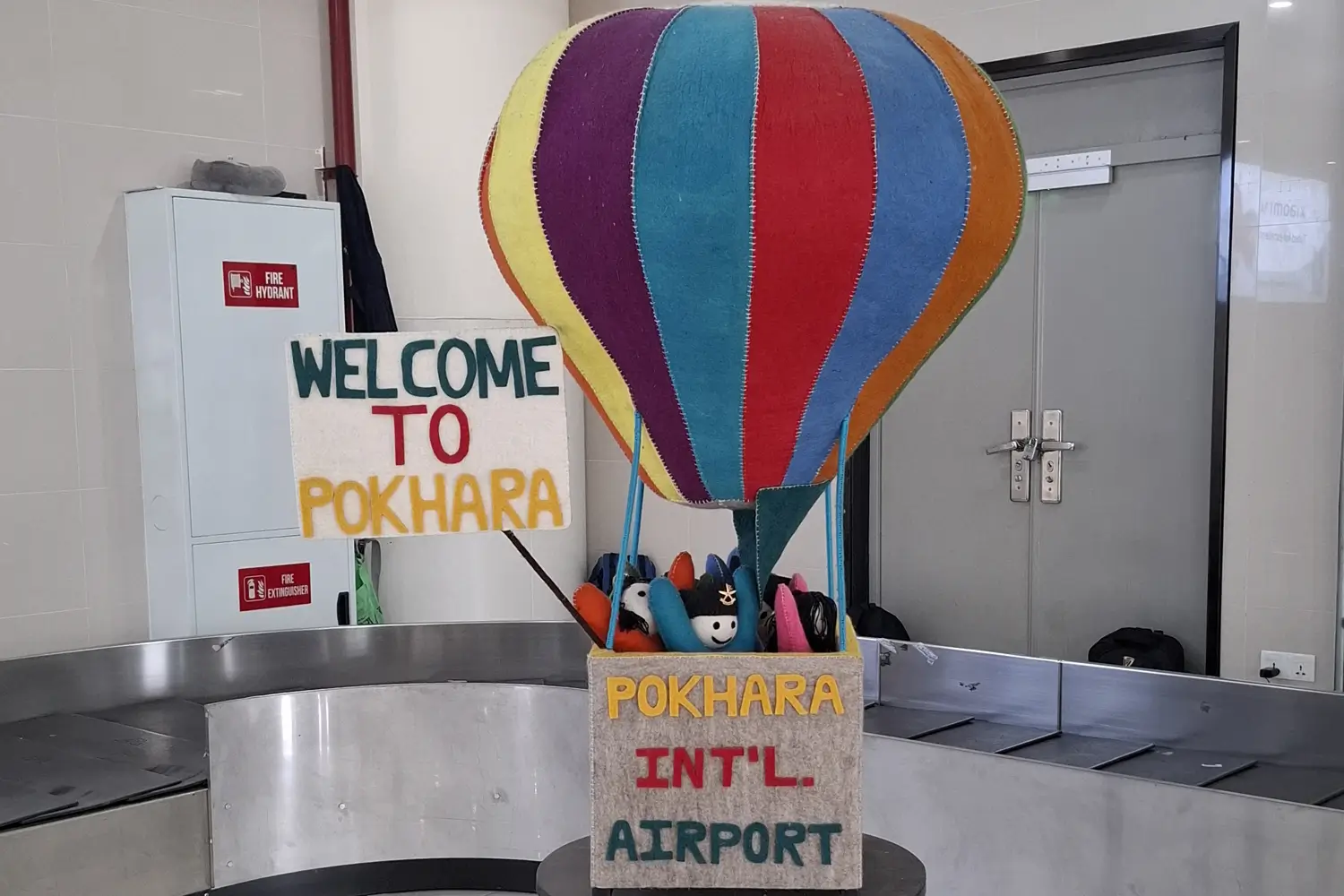
Pokhara Airport
______________________________________
✨ What Makes Pokhara Special?
Natural beauty like nowhere else – snow peaks, lakes, caves, and waterfalls coexist in one valley
Gateway to Annapurna trekking – base for famous treks like Annapurna Base Camp, Ghorepani-poonhill, Mardi Himal, Khopra Ridge
Peaceful vibe – unlike other major cities, Pokhara feels slower, cleaner, calmer
Cultural richness – Gurung and Magar heritage, mountain lifestyle, food, music, museums
Stunning Himalayan sunrise – Sarangkot viewpoint is one of the best in Asia
______________________________________
Top Places to Visit in Pokhara
Phewa Lake
Phewa Lake, the second-largest lake in Nepal, is situated at the center of Pokhara. The mirror-like reflection of the Machhapuchhre (Fishtail) Mountain on the blue waters of Phewa Lake is an absolute treat for the eyes. The lakeside region of Pokhara is lined up with cafes, boutique hotels, and eateries, making it the top destination for tourists looking for both relaxation and activities. The Tal Barahi Temple, situated on an island in Phewa Lake, accessible within a short distance through a boat ride, further adds to the unique beauty of this natural phenomenon. Phewa Lake is more than just another tourist destination, blending the tranquil and lively moments of Pokhara.
World Peace Pagoda (Shanti Stupa)
Situated on a hill overlooking Phewa Lake, the World Peace Pagoda is a white Buddhist stupa with views of Phewa Lake, Pokhara City, and the mountains. It can be accessed either by taking a boat on Phewa lake and trekking through the hillside trail or driving option with some hiking. This is a tranquil location for meditation and is therefore the most popular destination for tourists in Pokhara.
Statue of Pumdikot
Pumdikot Shiva Statue At Pokhara
Close to the Peace Pagoda, there is the Pumdikot Shiva Statue, which towers over the Pokhara Valley, providing a panoramic view of Pokhara itself, Phewa Lake, and the Himalayas in the background. Sunrise or sunset at this spot is a beauty to behold, or it can be a place to meditate in peace. The Shiva statue has become Pokhara’s newest iconic attraction.
Sarangkot Viewpoint
Sarangkot Pokhara
Sarangkot is known for having a remarkable view of the sunrise. In fact, it is from Sarangkot where tourists can enjoy views of Annapurna, Dhaulagiri, and Machhapuchhre. Sarangkot is also the most popular takeoff point for paragliding. Early morning is a magical time to be in Sarangkot as it lights up the entire city and surrounding mountains.
Davis Falls (Patale Chhango)
Davis Falls is an impressive waterfall that dissipates into an underground tunnel and gets its local name Patale Chhango or “underworld waterfall.” The falls originate from Phewa Lake, making the lake its main water source before it rushes down to form this powerful cascade. It gets its full force during monsoons. It lies near Gupteshwor Mahadev Cave and attracts visitors not only by its natural wonder but by its photographic opportunities.
Gupteshwor Mahadev Cave
Gupteshwor Mahadev Cave Pokhara
A short distance from the Davis falls is the Gupteshwor Cave-one of the longest caves in Nepal-where you can get to hear the loud roar of Davis Falls due to the hollows of these rock formations, and besides that, a holy shrine of Lord Shiva further gives a religious touch. Nature, geology, and culture all blend together in this adventure that is cave exploration.
Lakes Begnas & Rupa
Those travelers in search of peace come to Begnas and Rupa Lakes for their serene retreat. These quieter lakes are ideal for boat rides, bird watching, and the observation of local fish farming. Many also prefer overnight stays at lakeside resorts to enjoy fully the quiet side of Pokhara, away from the hustle and bustle of the Phewa Lake area.
International Mountain Museum
The International Mountain Museum is a 'must-see' for anyone concerned about the Himalayas, mountaineering, and mountain culture. The history of Everest, famous mountaineers, and the culture of Nepal's mountain communities make this museum an inspiring and educational experience.
Old Pokhara & Bindhyabasini Temple Area
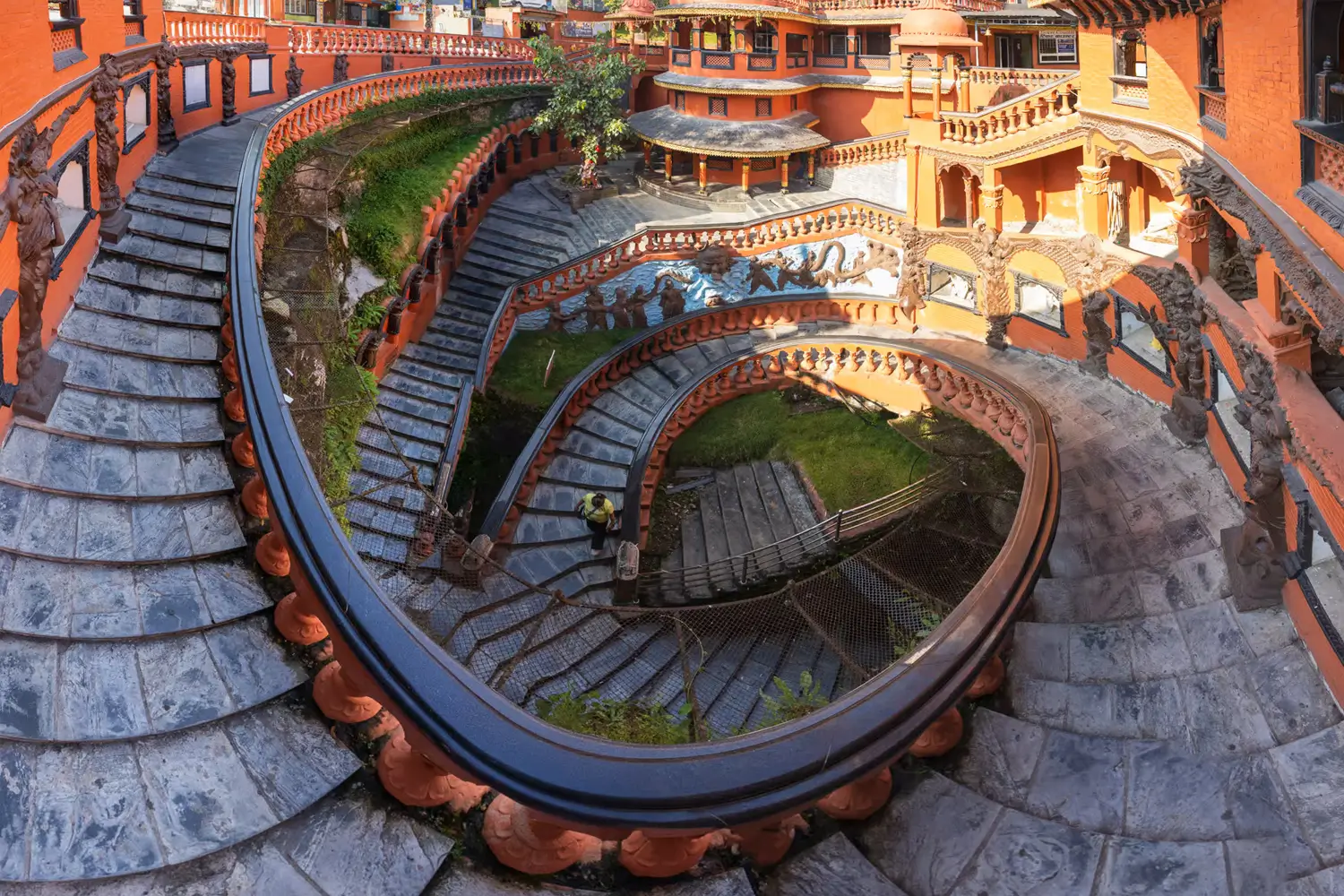
The Old Pokhara area and Bindhyabasini Temple offer an opportunity to catch a glimpse of traditional markets, Newari culture, and the city's panorama from the hilltop temple. A walk through the narrow streets here gives visitors a glimpse of the rich heritage of Pokhara and the local lifestyle.
Gurung Village Experience (Ghandruk / Dhampus / nearby)
Cultural experiences can be offered in traditional houses with local dances, with the hospitality of the local people in neighboring Gurung villages like Ghandruk and Dhampus. Mountain vistas from these villages make the experience even more memorable.
Pokhara Butterfly Museum
Tucked away near Lakeside in Pokhara is the oft-overlooked Pokhara Butterfly Museum, containing a selection of butterflies from Nepal and around the world. It's a nice educational and visual exhibit, great for a day out for families and nature lovers traveling to Pokhara.
Bat Cave and Mahendra Cave
Among the activities you should not miss when in Pokhara are the Bat Cave (Chamero Gufa) and Mahendra Cave. Bat Cave, which is close to Devi’s Fall, is a natural limestone cave where thousands of bats reside. Its narrow passages can be explored, along with the breathtaking stalactites and stalagmites, making it a very thrilling destination for adventure-lovers. Close by lies Mahendra Cave, a larger limestone cave famous for its gigantic stalactites and stalagmites. It’s a safe destination for families, suitable for photo-shooting, providing a distinct experience of exploring deep within the earth’s surface, as well as providing a valuable education on the geological features of this area of Nepal.
______________________________________
Adventure Activities in Pokhara
Paragliding
For paragliding in Pokhara, the flights take you high into the sky with breathtaking sights of the city of Pokhara and Phewa Lake, with a backdrop of the beautiful Annapurnas and Dhaulagiri mountains. Usually, paragliding in Pokhara takes place from Sarangkot, with a landing site in Lakeside, Pokhara. For paragliding, the ideal seasons for a clear sky with favorable wind conditions are from September to November and from February to April. Whether you are an adrenaline junkie or a first-time flyer, paragliding here gives a bird’s-eye view of the Himalayan valley that is simply magical.
Boating & Kayaking
Phewa Lake is ideal for a tranquil boat or kayaking experience. Early morning boat rides are simply magical as the reflective view of Machhapuchhre and various mountains in the background looks like a mirror. Kayaks and rowboats are readily available in Lakeside. This enables travelers to take a ride on the lake at their own convenience. Various spots like the Tal Barahi Temple on the island in the middle of the Phewa Lake are also accessible.
Ultralight Flight
For a completely different view of Pokhara, an ultralight plane flight is a must. Ultralight plane flights take tourists over Pokhara and offer a great view of the city and the lake. Additionally, the Annapurna range form a breathtaking backdrop for an ultralight plane flight.
Zipline
Pokhara has a zipline that is said to be amongst the steepest and fastest in the world, stretching between Sarangkot and Hemja. Ziplining in Pokhara is an exhilarating experience that includes speed, height, and sight. Flying through the air through the beautiful Pokhara valley will definitely be an adventure you will cherish forever.
Hot Air Ballooning
Hot air balloon rides provide a peaceful but thrilling way to view Pokhara from a unique perspective. Balloons float gently over Phewa Lake and the surrounding valleys while taking in the panoramic views of Annapurna ranges, villages, and vegetation below. Hot air balloons provide a magical way to view Pokhara during sunrises, bathing the city and lake below in a golden hue.
Bungee Jumping
Adventure seekers will have the opportunity to participate in bungee jumping near Pokhara. Jumping from tall bridges over rivers surrounded by forested valleys provides an adrenaline rush like no other. This is the best activity for individuals who seek natural beauty and something more adventurous.
Rafting & River Adventures
Rafting in Pokhara is conducted by surrounding rivers that offer rafting opportunities like Trishuli and Seti Rivers. This is because rafting in Pokhara combines rapid water and Nepal's Himalayas for an enjoyable and perfect daylong activity that is suited for families and adventure-seekers who can engage in kayaking and/or cliff jumping activities.
Sunrise & Sunset Tours
Pokhara provides many scenic spots for witnessing the sunrise and sunset. The most preferred spot for witnessing the sunrise is Sarangkot, while the World Peace Pagoda is the preferred spot for witnessing the sunset. The Lake Side area in the evening looks very pretty with the reflective lights of the Lake Side area and mountains in the background.
Trekking & Hiking
Pokhara is home to many starting points of treks. The short treks of Peace Stupa, Sarangkot, Australian Camp Trek, and Dhampus are preferred routes to witness and connect with nature. The longer versions of treks such as Mardi Himal Trek, Annapurna Base Camp (ABC), and Poon Hill Trek are most sought after routes during peak seasons. The unique and diverse surroundings of Pokhara offer several opportunities to connect with nature.
After adventure, Pokhara's food experience is a treat. The dishes to be tried are Trout Fish, Dal Bhat served with mountain herbs, Tibetan bread, Thukpa, and Momos. Pokhara's lakeside area is also home to a number of cafes where one can relish coffee and even enjoy a performance of live music, besides beholding spectacular views of Lake Pokhara. Relaxing in the evening at a lakeside café and relishing local cuisine amidst watching sunset in the mountain ranges is an experience in itself that captures the essence of Pokhara.
______________________________________
Frequently Asked Questions about Pokhara
1. Where is Pokhara?
Pokhara is located in Gandaki Province in western Nepal, some 200 kilometers from Kathmandu.
2. How long does it take to reach Pokhara from Kathmandu?
• By flight: 25 minutes
• By road: 6-8 hours, depending on the route and traffic conditions
3. Is Pokhara safe for children and family vacationing?
Yes, it is very family-oriented and safe in and around Pokhara. Nature walks, boat rides, and short treks are very conducive for children.
4. When is the best time to visit Pokhara?
Best seasons:
• Autumn (September to November) → Clear skies, great views
• Spring (Feb-Apr) → rhododendrons in bloom, favorable weather
• Monsoon (Jun-Aug) → perfect for Waterfalls, canyoning activities, but flights can be unpredictable
5. What is Pokhara known for?
• Lakes, views of the Himalayas, caves, waterfalls, trekking starting point, paragliding, and zipl
6. Which is the most popular lake in Pokhara?
The most popular lake in Pokhara is Phewa Lake.
7. Is going for treks from Pokhara possible without visiting temples?
Definitely! There are also many treks and adventures which are nature-based and do not involve religious beliefs, such as sunrise walks, boating, and treks
8. How many days are enough in Pokhara?
• 2-3 days – major highlights
• 4-7 days → trekking is included
• 10+ days → for longer treks to Annapurna
9. What kind of currency is acceptable in Pokhara?
Nepalese Rupees (NPR). Certain hotels/services may accept USD/INR, but it’s always best to use. You can of course exchange money at the money changers.
10. Is there nightlife in Pokhara?
Yes – Lakeside has bars, live music, pubs, and cafes.
11. Can you see Everest from Pokhara? No, Everest is not visible. Pokhara’s views include Annapurna, Dhaulagiri, and Machhapuchhre.
12. Is Pokhara more beautiful than Kathmandu?
Pokhara has a natural perspective, while Kathmandu has a cultural perspective. Pokhara has more scenic views for the traveler.
13. Does Pokhara receive any snowfall?
Snowfall in the city is rare; however, the neighboring trekking spots may have snow during winters.
15. Which is the coldest month in Pokhara?
The month of January is the coldest; followed by December
Pokhara is more than a destination – it is an experience. With the natural resources that Pokhara possesses such as lakes, waterfalls, caves, mountains, and viewpoints, Pokhara will surely create memories that last a lifetime.
Adventure-seekers will surely have their fill as this place offers the best experience with paragliding and trekking. Of course, photographers will surely feast their eyes here. Pokhara is the gem of Nepal. Whether it is serenity, adventure, or beauty, you are sure to find it in Pokhara, which welcomes every visitor warmly.
Pokhara doesn’t compete with other cities — it doesn’t need to. The mountains surrounding Pokhara tower high, the lakes of Pokhara sparkle without flaunting themselves, and the skies of Pokhara spread their arms wide without demanding anything. The reason why Pokhara continues to capture the hearts of millions of people from across the planet is its effortless charm.
If you’re inspired to visit Pokhara, we can help make it happen!
Hiking Adventure Treks arranges customized trips to Pokhara, adventure activities, and scenic getaways. We also organize beautiful treks including Mardi Himal, Annapurna Base Camp, Poon Hill, Ghandruk, and many more in the Himalayan region.
For trip planning, inquiries, or bookings, you can reach us via email at [email protected].
Sajana Tripathi is the Managing Director of Hiking Adventure Treks. Holding a degree in Tourism Studies and currently pursuing her master's, she is deeply committed to advancing her knowledge and understanding of the field. Fluent in English, Hindi and Spanish, she effortlessly communicates with clients from diverse backgrounds, ensuring their needs are met with precision and care.
Since the beginning of her career, Sajana has had a deep inclination towards writing. This passion has driven her to conduct thorough research, significantly enhancing the quality of her content. Her extensive experience in crafting tailor-made travel packages allows her to consider the unique preferences and time constraints of each client, delivering personalized experiences that consistently exceed expectations. Sajana's dedication to excellence and her passion for travel enable her to write high-quality content with vast information about various topics, making her blog a valuable resource for readers seeking in-depth insights into the travel industry.
We are a team of experts in Nepal Travel Industry with over fifteen years of experience. Let's together plan a wonderful holiday for you. Contact us to discuss further for an amazing Travel Itinerary.