New $50 Upper Mustang Permit
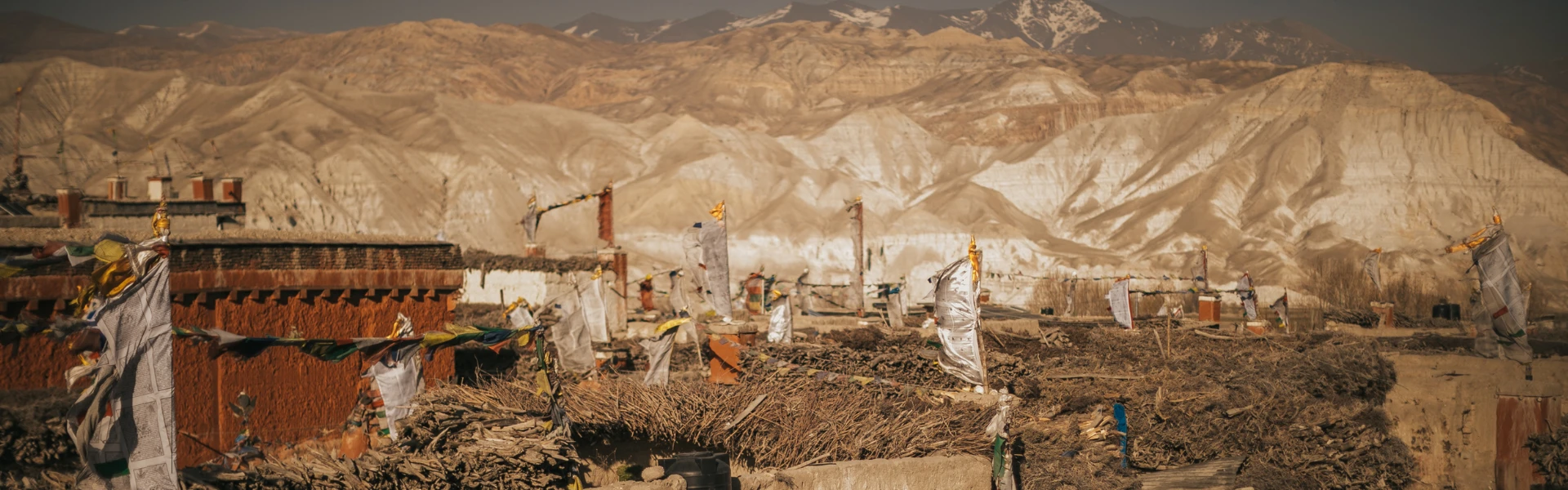
For decades, the name Upper Mustang has whispered promises of the inaccessible. Sitting in the rain shadow of the Himalayas, this ancient Tibetan kingdom in Nepal earned its "Forbidden" moniker not just from its rugged, Martian-like landscapes. But from a very real financial gate, a steep $500 entry ticket. This wasn't a mere visa fee; it was a 10-day permit, non-negotiable and upfront, with every additional day costing $50 more. It was a price tag that made travelers pause, save, and ponder, cementing Mustang's status as a once-in-a-lifetime, bucket-list pinnacle reserved for the dedicated few.
So, when headlines recently flashed about a "New $50 Upper Mustang Permit" for Upper Mustang, the travel world braced for impact. In an era where costs are rising everywhere, the assumption was inevitable: But, this iconic destination is about to get less expensive.
In a move that has surprised many, Nepal hasn't raised the bar, it has reshaped it. Effective this year, the complex permit structure has been scrapped. Gone is the daunting $500 upfront levy. In its place is a streamlined, transparent, and surprisingly more accessible rule: a flat fee of $50 per day.
The Forbidden Kingdom is still forbidden in spirit, but now, it's inviting you to calculate your adventure by the day, not by a single, daunting sum. Let's explore what lies beyond this surprising turn.
The News Explained: Breaking Down the New Permit Structure
Let’s cut through the noise and clarify exactly what has changed. For years, the permit system for Upper Mustang was one of the most distinct and logistical hurdles in adventure travel. Understanding the old rule is key to appreciating how significant the new one is.
The Old System
Until recently, obtaining an Upper Mustang Restricted Area Permit (RAP) was governed by a fixed-duration pricing model. The rules were strict:
- Permit Fee: USD $500 per person for 10 days.
- What It Covered: This fee granted you access for a block of 10 days. Not a day less.
- Extension Cost: If your itinerary required more than 10 days (and most classic treks do), each additional day costs an extra USD $50.
- The Classic Trek Math: A standard 14-day Upper Mustang trek meant:
$500 (for the first 10-day block) = $500 in total, permit fees per person.
This structure created a high financial and psychological barrier. Whether you stayed for 5 days or 10, you paid $500. It was designed for long, immersive journeys and was a major factor in Mustang's "exclusive" aura.
The New System (2025 Onward)
The Nepal Department of Immigration has replaced the block system with a straightforward, linear model.
- New Permit Fee:USD $50 per person, per day.
- Minimum Duration: While a strict minimum isn't universally enforced like before, a realistic trek (factoring in travel to/from the region) still requires several days. Critically, you now only pay for the days you are actually in the restricted zone.
- The New Math for a Classic Trek: That same 14-day trek now costs:
$50 x 5 days = $250 in total, permit fees per person.
At first glance, the total for a two-week trip looks the same. So, what’s the big deal?
It's in the removal of the steep upfront cost and the new flexibility it creates.
Important Reminders (What Has NOT Changed):
- The Permit is Still Mandatory: Upper Mustang remains a restricted area. You cannot enter without this permit.
- You Still Need a Guide: The rule requiring all trekkers to be accompanied by a licensed guide from a registered Nepali trekking agency is still fully in force. You cannot get the permit independently.
- The ACAP Fee is Separate: You must also purchase an Annapurna Conservation Area Permit (ACAP), which is approximately $30. This is a separate, additional fee that supports the conservation zone you trek through to reach Mustang.
- Permits are obtained via an agency: Your trekking company will handle the permit application using your passport details and itinerary. You cannot apply for it yourself as an individual tourist.
The Best Time to Visit Upper Mustang
Choosing the ideal time for your Upper Mustang journey is about balancing glorious weather with a vibrant cultural heartbeat. While the classic trekking seasons provide the most reliable conditions, timing your visit to coincide with a major local festival can transform a spectacular trek into a truly transcendent cultural immersion.
The Prime Seasons
Upper Mustang lies in a high-altitude rain-shadow desert, making its climate distinct from the rest of Nepal. Your optimal windows are:
- Spring (March to Early June): This is arguably the most beautiful season. Days are pleasantly warm, skies are a piercing blue, and the stark landscapes are subtly softened by the blooming of hardy alpine wildflowers like the iconic Mustang Poppy. Temperatures are comfortable for trekking (10-20°C / 50-68°F during the day), though nights remain cold. The trails are dry, and mountain views across the Nilgiri and Annapurna ranges are typically crystal clear.
- Autumn (September to November): Universally celebrated as Nepal’s premier trekking season, autumn offers stable, dry weather with minimal cloud cover. The post-monsoon air is exceptionally clear, providing breathtaking panoramic vistas. Daytime temperatures are similar to spring, but nights begin to get significantly colder, especially from late October onward. This is the most popular and reliably comfortable season for high-altitude trekking.
The Festival Factor:
If you can align your trek with one of Mustang’s profound Buddhist festivals, you’ll witness the region’s ancient Tibetan culture in its most animated, colorful, and spiritually charged state. The standout event is:
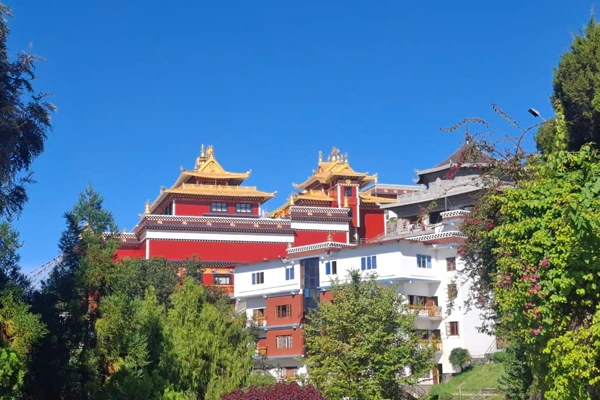
- The Tiji Festival (Usually in May): This is the premier cultural event in Upper Mustang and the single best festival to plan your trip around. Held over three days in the walled capital of Lo Manthang, Tiji (short for "Tempa Chirim") is a vibrant, centuries-old ritual dance drama performed by monks of the Choede Monastery. It tells the story of the deity Dorje Jono’s battle against a demon causing drought and suffering, a myth symbolizing the triumph of good over evil. The festival is a riot of color, with monks in elaborate brocade robes and terrifyingly beautiful masks performing choreographed dances to the haunting drone of long horns, cymbals, and chants. The entire community gathers, dressed in their finest traditional clothing, turning the ancient courtyard into a living pageant. Planning Note: The dates are set by the lunar calendar (usually late April or May), so you must confirm the exact days for your intended year and book your trip and guide well over a year in advance, as accommodations and permits during Tiji are exceptionally scarce.
Other Notable Festivals & Seasonal Considerations:
- Losar (Tibetan New Year): Usually falling in February, Losar is marked by family gatherings, feasts, and monastery rituals. While culturally rich, it’s a quieter, family-oriented time. Trekking in February is possible but very cold (daytime temps often below freezing, nights extreme), with a chance of snow on high passes, making it a choice for the hardy and well-prepared.
- Yartung (Late Summer): Held in August in various villages (notably in Muktinath and Tsarang), Yartung is a traditional horse-racing festival. It’s a lively, less formal event than Tiji. However, August falls in the monsoon season. While Upper Mustang receives far less rain than other.
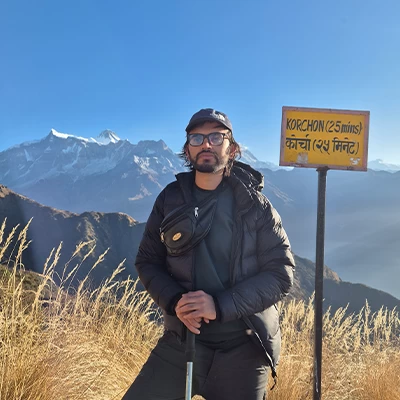
Hi, I’m Basanta Lamsal, a passionate travel content writer with an insatiable curiosity for exploring Nepal and sharing its stories. With 5 years of experience in crafting engaging travel narratives and trekking guide, I specialize in creating content that inspires wanderlust, offers practical travel tips, and uncovers hidden gems of Nepal.
From bustling cityscapes to serene natural wonders, I believe every destination has a unique tale to tell. My writing blends personal experiences, cultural insights, and practical advice to help travelers plan unforgettable journeys. Whether it’s a solo backpacking adventure, a luxury getaway, or a family-friendly escapade, I aim to make travel accessible and exciting for everyone.