About Chitwan National Park
Chitwan National Park is not just a park; it is a comeback story written in paw prints and hoof marks. Once the exclusive hunting ground of Nepali royalty, where maharajas tracked tigers, Chitwan was transformed into a protected sanctuary in 1973. Think of it as a shield, thrown up to protect some of Earth's most incredible creatures from the brink. That legacy of protection earned it a glittering badge of honor: UNESCO World Heritage Site.
But what exactly is this ecosystem? Picture the Terai with a lush, fertile belt of grassland and riverine forest that stretches along Nepal's southern lowlands. Chitwan is its crown jewel. It's a waterworld, laced with the Rapti, Reu, and Narayani rivers, creating oxbow lakes that act as wildlife magnets. And towering above it all? The majestic Sal forests, some trees standing for centuries, their leaves whispering park secrets.
Now, let's meet the locals. While everyone dreams of the elusive Bengal Tiger (the park's superstar ghost), Chitwan proudly presents its more visible "Big Four":
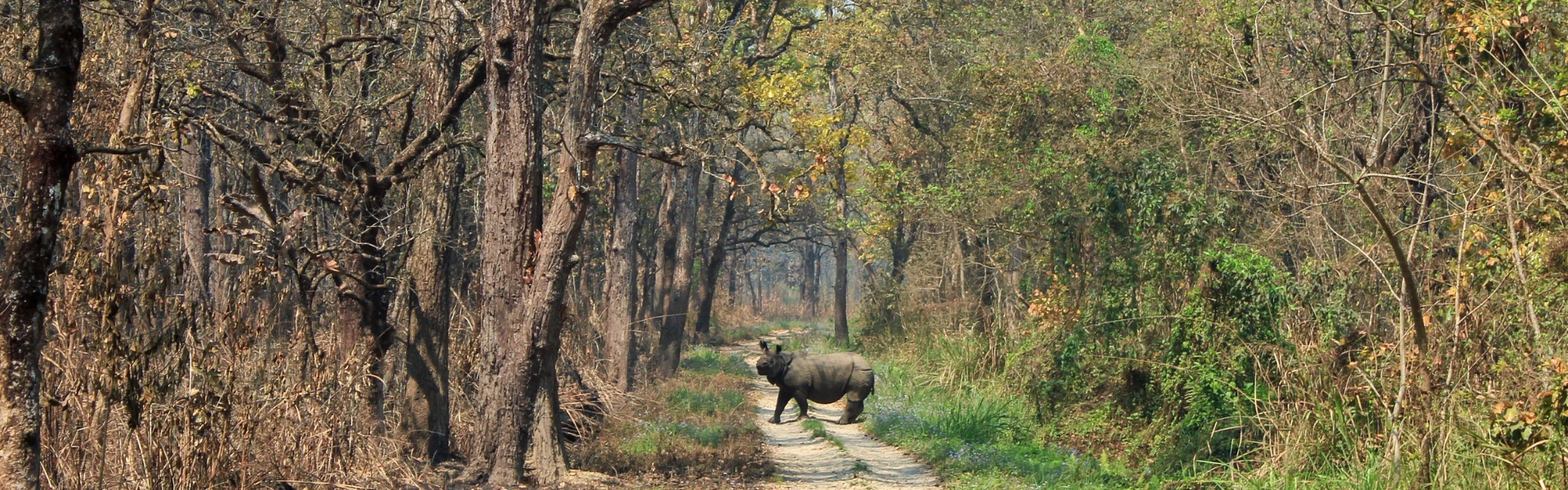
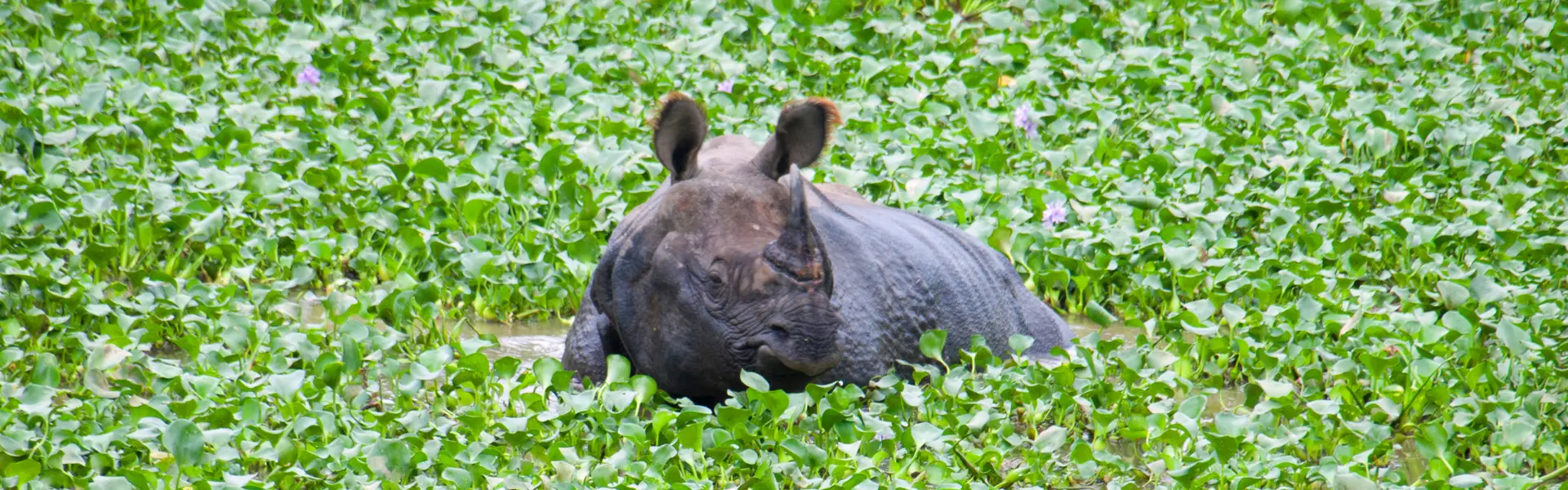
- The One-Horned Rhinoceros: Your most likely VIP sighting. These armoured giants, looking like they've time-travelled from the dinosaur age, are the park's conservation mascot.
- The Sloth Bear: Shaggy, with a distinctive white V on its chest. Hearing its huffing and rustling in the bush is a jungle soundtrack must-have.
- The Gharial Crocodile: The river's living fossil. Spot its long, narrow snout packed with needle-like teeth, sunbathing on sandbanks—utterly harmless to humans, but a marvel to behold.
The supporting cast is just as dazzling: leaping spotted deer, grunting wild boar, majestic elephants (wild ones!), and over 500 species of birds that paint the sky with colour and sound.
How to plan a trip to Chitwan National Park?
Before you hear the jungle's call, you need a solid plan. This isn't just about booking a ticket; it's about crafting the adventure that's right for you. Let's break down the essentials into interactive subtopics. I will they to answer these questions for yourself, and your perfect Chitwan itinerary will come into focus. This shift in landscape, climate, and culture is a prelude to the wildness awaiting you. Let’s navigate your travel options, from the most popular to the most adventurous.
How to Get There?
To reach Chitwan, most people fly or drive from Kathmandu. The quickest option is a 25-minute flight to Bharatpur Airport, just a short drive from Sauraha or Chitwan National Park. Alternatively, a tourist bus or private vehicle offers a scenic 5-7 hour road journey via the Prithvi Highway. For a more local experience, regular public buses are available but are less comfortable. Chitwan is also accessible by road from Pokhara (approx. 4-5 hours) and major cities in the Terai region.
Local Bus
This is not just local bus because you will see a raw, unfiltered immersion into Nepali daily life.
The local bus is a symphony of chaos and community. It’s hot, crowded, and stops frequently in every town and hamlet. Your seatmate might be a farmer with a sack of rice, a student, or a woman carrying live chickens. The radio blasts Nepali pop, the passage are full, and the journey is long.
If you have the patience and a sense of humor, it’s the most authentic and cheapest way to travel. You will see a side of Nepal invisible from a tourist coach. You will need to get yourself to Kathmandu’s Kalanki or Machhapokhari bus stations. Find the right bus (look for "Bharatpur" or "Narayanghat"), and be prepared to stow your backpack on the roof.
Tourist Bus or Private Vehicle
- The Route: You will leave Kathmandu early, climbing out of the valley via the winding Prithvi Highway. You will pass dramatic gorges, terraced hillsides, and raging rivers (the Trisuli is a rafting favorite). The true magic happens around Mugling, a major junction where the road turns south and plummets into the Terai plains. The air grows thick and warm, the vegetation changes, and the snow-capped peaks in your rearview mirror are replaced by endless flatlands and elephant grass.
- Tourist Bus: These are comfortable, air-conditioned coaches booked through agencies or your hotel. They include one or two rest stops at roadside eateries. It’s safe, affordable, and a great way to meet other travelers.
Tip: Book a seat on the left side for the best valley views on the way down. - Private Vehicle (Car/Van): Hiring a car and driver (highly recommended over self-driving due to road conditions) is the king of flexibility. Feel like stopping for a perfect photo of the Marsyangdi River valley? Want to visit the Manakamana Temple via cable car en route? Need a bathroom break on your own schedule? This is your answer. It transforms the journey from a transit into a tailored part of your tour.
Domestic Flight
Short on time or want to splurge on a breathtaking perspective?
A 20-minute flight from Kathmandu’s Tribhuvan Airport to Bharatpur Airport (in Nepal’s lowland city of Bharatpur) is a revelation. On a clear morning, the panorama of the entire central Himalayan range from Langtang to Annapurna to Manaslu spread outside your window is worth the ticket price alone. Upon landing, your pre-arranged lodge transfer will meet you for the final, easy one-hour drive to Sauraha or Meghauli. While it saves a full day of travel, Nepali domestic flights are notoriously susceptible to delays and cancellations due to weather. Especially in the afternoon and during the monsoon (June-Sept) there is high chance to delay. Always book the earliest flight possible.
Trip Duration: Recommended itineraries (2 days/1 night, 3 days/2 nights, 4+ days).
Another big question pops up: "How many days do I really need?" The answer isn't one-size-fits-all. It depends on whether you are ticking off a bucket list item or yearning to truly sync with the jungle's pulse.
Think of it like this: a shorter Chitwan National Park itinerary is a thrilling highlight reel, while a longer stay is the full, immersive documentary. Let's break down the most popular itineraries to see which one matches your travel tempo.
Option 1: Chitwan National Park itinerary 2 Days / 1 Night
- Perfect for: Travelers on a tight schedule, those adding Chitwan as a stop between Kathmandu and Pokhara, or anyone wanting a quick, intense burst of nature.
- The Vibe: Fast-paced, action-packed, and efficient.
- Sample Rhythm:
- Day 1 (Arrival & First Thrills): Arrive by midday. After a quick lunch, embark on your first activity—perhaps a jeep safari deep into the core zone for the best chance to see rhinos and maybe a tiger. As the sun dips, experience a serene canoe ride followed by a visit to the Elephant Breeding Center. Cap the day with a Tharu cultural dance performance under the stars.
- Day 2 (Farewell Safari): An early morning nature walk or bird watching session with a naturalist. Feel the jungle wake up around you. Return for breakfast, soak in one last view of the Rapti River, and depart by late morning.
Option 2: Chitwan National Park itinerary 3 Days / 2 Nights
- Perfect for: First-time visitors, families, and most travelers who want a balanced, comprehensive experience without feeling rushed. This is our most recommended option.
- The Vibe: Balanced, immersive, and deeply satisfying.
Duration: 6 Days
Price from
- Sample Rhythm:
- Day 1: Arrive, settle in. Afternoon jeep safari. Evening cultural program.
- Day 2 (The Full Chitwan Day): Dawn nature walk—this is when your senses truly come alive. Return for late breakfast and some downtime (yes, relaxing by the lodge pool overlooking the wilderness is part of the experience!). Late afternoon, try a different activity—maybe a jeep safari to a different sector or a village cycling tour. Sunset by the river.
- Day 3: Morning canoe safari followed by a guided walk to the Gharial Crocodile Breeding Centre. Depart after lunch, feeling wonderfully connected to Chitwan.
- Interactive Check:Choose this if... You want the perfect blend of adventure, relaxation, and cultural touchpoints. It offers the space to breathe in the jungle air and absorb the details.
Option 3: Chitwan National Park itinerary 4+ Days / 3+ Nights
- Perfect for: Wildlife enthusiasts, photographers, bird watchers, or anyone seeking a slow-travel retreat into nature.
- The Vibe: Unhurried, observational, and transformative.
- The Perks: This is where the magic deepens. With extra time, you can:
- Go on multiple specialist-guided birding walks (Chitwan has over 500 species!).
- Take full-day jeep safaris to remote grassland areas like Kasara or the Bis Hazari Tal lakes.
- Visit different community projects and spend meaningful time with the Tharu people.
- Simply sit on your lodge balcony with binoculars, journal, and watch the jungle life unfold at its own pace, spotting deer that become familiar, learning bird calls, and feeling the daily rhythms.
Chitwan Safari Cost: From budget hostels to luxury lodges, cost estimates.
Knowing your budget unlocks the right Chitwan experience for you. Think of your budget not as a limitation, but as a compass pointing you toward the adventure that fits you best. Whether you are a thrifty adventurer, a value-driven explorer, or someone seeking deep luxury, there is a perfect path for you. Let’s break down what each journey looks and feels like on the ground.
For The Budget Backpacker, your daily adventure revolves around authenticity and smart spending, with a budget of roughly NPR 2,500 - 4,000 ($18 - $30). Your home base is likely a friendly, family-run guesthouse in the heart of Sauraha village. The room are clean with a shared bathroom provides everything you need. Your days are fuelled by delicious and hearty local dal bhat at neighborhood eateries, and your safari thrills come from joining shared group activities. It includes like piling into a jeep with fellow travelers or gliding down the river on a group canoe trip. The magic here is in the raw, unfiltered connection to the place and its people, where every rupee is spent on the experience itself. A typical day might see you spending a third of your budget on lodging, another third on local meals and water, and the final, most exciting third on a shared jungle activity.
Stepping into The Comfort Explorer, you are investing in seamless ease and curated comfort, with a daily guide of $37 - $74. This is the realm of the well-organized package deal, the ultimate sweet spot for stress-free adventure. You will likely book a 2D/1N or 3D/2N package from a comfortable lodge or boutique hotel. It neatly bundles your en-suite accommodation, all buffet meals (mixing local and continental flavors), multiple safari activities, park fees, and guide services into one upfront price. This means you can trade the mental math of daily budgeting for the simple pleasure of enjoying a swim in the lodge pool after a dusty jeep safari.
Finally, for The Luxury Voyager, the journey is defined by unparalleled immersion and elegance. The daily budget begins at NPR 15,000+ ($110+) and ascends. This is where the wilderness meets refinement. You will be staying in architecturally stunning eco-lodges or luxury jungle resorts where your private villa might feature a plunge pool overlooking the Rapti River. Your safaris are private or in exclusive small groups, led by expert naturalists in premium vehicles, with itineraries crafted to your curiosity. Dining is a gourmet affair, often highlighting farm-to-table concepts, and your entire experience is wrapped in impeccable, anticipatory service. Opting for an all-inclusive luxury package means you are not just visiting the jungle; you are being woven into its narrative in the most comfortable and captivating way possible.
Your Chitwan National Park Tour Cost Details
Use the list below to calculate your own total trip cost! All the costs below are just approximate, so plan your trip accordingly.
Fixed Costs:
- Park Entry Permit: NPR 2,000 ($15) for SAARC nationals, higher for others.
- Guide Fee: NPR 2,000/day for the group.
- Transport to Chitwan: Tourist Bus (~$10-15) | Private Car (~$80-100) | Flight (~$100+)
Variable Costs (Tick what applies):
- Accommodation Type: Budget ($15 - $20) | Comfort ($35 - $40) | Luxury ($50 - $60)
- Safari Activities: Jeep ($20 - $70) | Canoe ($10-12) | Walk ($10-12)
- Food & Drink: $15 - $40 per day
- Extras: Tips, souvenirs, extra snacks/drinks.
Types of Jungle Adventures in Chitwan
In Chitwan, how you explore the jungle defines your adventure. It’s the difference between a roaring, dust-trailing pursuit and a silent, intimate encounter. This chapter is your interactive menu to the wild.
What kind of wild speaks to your soul?
The 4x4 Jeep Safari
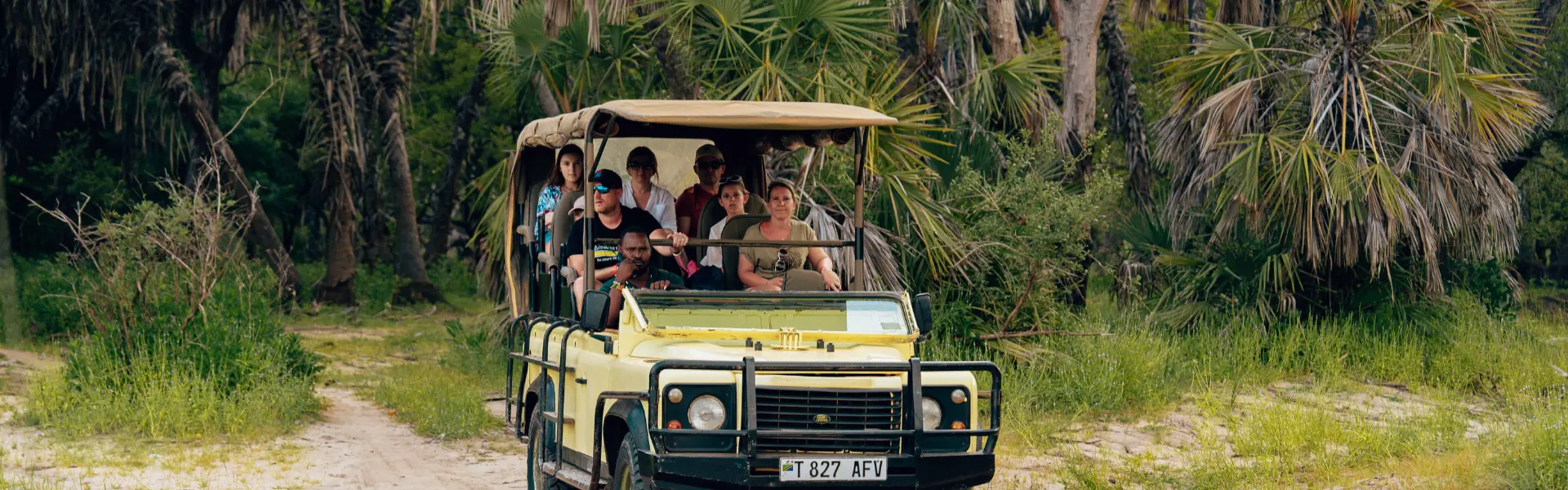
The iconic 4x4 Jeep Safari is Chitwan’s classic adventure, offering the quintessential image of a wildlife expedition. Picture yourself in an open-top Gypsy, traversing dusty tracks through riverine grasslands, dense Sal forests, and across the park's iconic phantas (floodplains). This mode of exploration is about coverage and pursuit. It allows you to penetrate deeper into the park's core zones, like the Kasara area or the Rhino Tracking Zone, where chances of spotting the elusive Bengal Tiger, while never guaranteed, are statistically higher.
The elevated vantage point is unbeatable for wildlife photography and panoramic viewing. Whether it's a Great One-horned Rhinoceros grazing placidly with its calf or a herd of spotted chital deer scattering at your approach. For the optimal experience, consider booking a private jeep. The reduced noise and ability to linger at sightings create a more intimate and respectful encounter with nature. It’s the perfect choice for those seeking the thrill of covering vast, wild terrain in pursuit of the park’s grandest spectacles.
The Canoe Safari
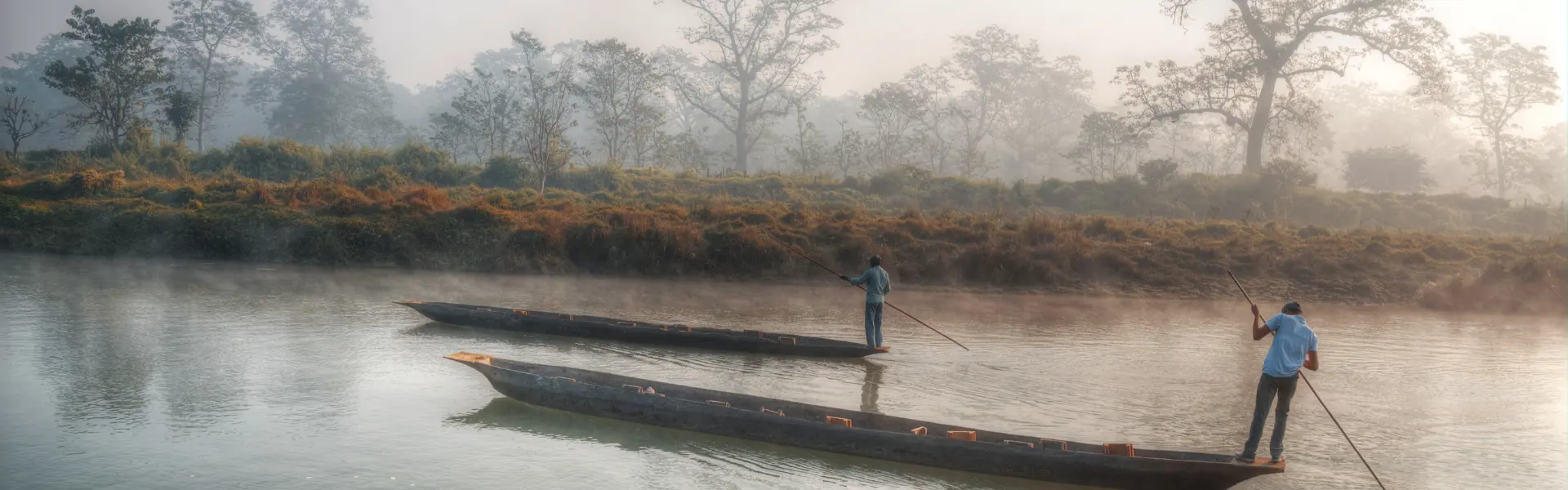
Trade the roar of an engine for the gentle lap of water with a serene Canoe Safari. Drifting silently down the Rapti or Narayani River in a traditional dugout canoe is an exercise in stealth and observation, offering a perspective of Chitwan that is entirely unique. This is the premier way to safely encounter the park’s ancient reptiles. You'll glide silently past basking Mugger crocodiles and the critically endangered Gharial, distinguished by its slender, ghara-like snout. The riverbanks become a bustling stage for birdlife, making it a paradise for birdwatchers. You might spot iridescent kingfishers diving, stately egrets wading, and with luck, the massive wingspan of a Pallas's fish eagle. The magic is often in the timing: an early morning departure treats you to ethereal mist rising off the water as the jungle awakens. This is not a thrill ride; it's a tranquil, immersive journey into the aquatic heart of the ecosystem.
The Guided Jungle Walk: An Adrenalized Symphony of Senses
For the ultimate authentic and intimate encounter, step into the jungle on foot with a trained naturalist on a Guided Jungle Walk. This is where passive observation transforms into full sensory immersion. You are no longer a detached spectator in a vehicle; you are a participant in the food chain, with every sense heightened. Your guide will decode the wilderness for you, pointing out the subtle pugmark of a leopard, the fresh scratch marks of a sloth bear on a tree, or the alarm call of a langur monkey that signals predator movement nearby.
It is about appreciating the small wonders: the intricate architecture of a termite mound, the medicinal properties of a particular plant, and the symphony of insect sounds. Safety is paramount, and you must follow your guide's instructions implicitly. Wear neutral-colored clothing and quiet shoes. Prepare for a slow, mindful exploration that rewards patience with profound connection and an unmatched adrenaline rush.
The Elephant Safari: Navigating a Complex Legacy
The Elephant Safari presents a historically significant but ethically nuanced aspect of Chitwan's tourism. Once the iconic mode of exploring the tall elephant grasses, traditional tourist rides within the national park have been largely phased out to prioritize animal welfare. Today, understanding this shift is crucial for the responsible traveler. The focus has moved toward ethical observation and conservation education. A visit to the Government Elephant Breeding Center in Sauraha allows you to observe these majestic creatures, including adorable calves, and learn about their biology and conservation challenges from a respectful distance. Some community forests on the park’s fringes may still offer short excursions, but it is essential to ask critical questions about the elephants' treatment, workload, and living conditions if you choose to engage. A fantastic alternative is to simply observe wild or working elephants during their daily river bath. It is a joyful spectacle that supports their natural behaviors and offers a memorable, guilt-free experience.
Best time to visit Chitwan for safari
Choosing the optimal time to visit Chitwan National Park is less about finding a single "perfect" month and more about aligning the park’s dramatic seasonal rhythms with your personal safari priorities it wildlife visibility, comfort, or solitude. The park transforms profoundly with the seasons, each offering a distinct character and set of advantages. Understanding this cycle is the key to crafting your ideal adventure.
September to Early December & March to April
This period, encompassing the post-monsoon autumn and the dry spring, is universally hailed as the peak safari season for compelling reasons. Following the monsoon retreat (October-November), the landscape is lush, waterholes are full, and the air is clear with majestic Himalayan views to the north. However, as the dry season progresses from February through April, the true magic for wildlife viewing unfolds. The dense foliage recedes dramatically, and animals are funneled to remaining water sources like the Rapti and Narayani rivers and the park’s few perennial tals (lakes). This concentration effect makes sightings of the iconic One-horned Rhinoceros, wild elephants, and deer herds exceptionally reliable. The thinning grass also improves visibility for tracking the park’s most elusive predator, the Bengal Tiger. The weather is pleasantly warm to hot, with cool evenings. Be advised that this is the most popular time; bookings must be made well in advance, and the park feels busier.
December & February (The Crisp Winter)
The heart of winter offers a uniquely serene and crisp safari experience. Days are sunny and pleasantly cool, perfect for extended jeep safaris and walks, while mornings and nights can be downright cold, requiring layered clothing. The mist rising off the rivers at dawn is ethereal. Wildlife viewing remains excellent, as the vegetation is still thin. A significant advantage is the reduction in tourist numbers after the Christmas rush, offering a more solitary communion with nature. Birdwatchers will find this period superb, with many migratory species present.
The Monsoon (June to August)
Visiting during the monsoon is a commitment to a wild, raw, and profoundly different Chitwan. This is the low season, characterized by heavy, sporadic rainfall, high humidity, and lush, impenetrable greenery. While wildlife spotting becomes more challenging as animals disperse with abundant water and food, and some areas may be inaccessible, the monsoon presents unique rewards. The park is stunningly vibrant and green, bird life is prolific (including resident breeders), and you’ll have vast sections virtually to yourself. This is also the time to see the park's landscape in its most dynamic state, with rivers swollen and the forest at its most alive. It is a choice for the intrepid traveler seeking solitude and a dramatic backdrop over guaranteed big-ticket sightings.
The Shoulder Pivot: May & June (The Pre-Monsoon Heat)
These months are the hottest and most humid in the Terai, with temperatures often soaring above 35°C (95°F). The forest becomes dry and dusty. While physically demanding, this period offers perhaps the absolute best chance to see tigers and other predators. As water sources shrink to their minimum, wildlife congregates at the few remaining oxbow lakes, creating predictable predator-prey scenarios. Early morning and late afternoon safaris are essential to avoid the midday heat. It’s a time for the dedicated wildlife enthusiast willing to trade comfort for potentially spectacular, action-packed sightings.
Essential Packing for Chitwan National Park with Jungle Safari
Packing for Chitwan isn't about fashion; it's about function, comfort, and blending into the environment. The right gear can transform your experience from good to exceptional. Think of your suitcase as a safari toolkit, every item should serve a purpose. Here is the detailed packing list, broken down by philosophy and practicality.
The Art of Camouflage: Clothing in Neutral Colors
The "neutral colors" rule is your first and most important mantra. This means shades of green, khaki, beige, olive, brown, and grey. Avoid white (it glares), black (it absorbs heat and stands out), and bright colors like red, blue, or yellow (which can alarm animals and are easily spotted by wildlife). Your goal is to become a quiet part of the landscape.
The Layering System (For All Seasons):
- Base Layer (Moisture-Wicking): Pack lightweight, breathable t-shirts or long-sleeved tops. Merino wool or synthetic fabrics are ideal. Even in winter, you'll work up a sweat on walks.
- Mid Layer (Insulation): A fleece jacket or a lightweight down/synthetic puffer is essential for early morning jeep safaris and winter evenings (Dec-Feb), which can be surprisingly chilly.
- Outer Layer (Protection): A lightweight, waterproof, and breathable windbreaker or rain shell is a year-round must. Sudden showers can occur, and the wind on an open jeep can be biting.
The Gear That Makes the Difference
This is where pro travelers separate themselves. These items aren't just accessories; they are experience enhancers.
- Footwear:
- Primary: Sturdy, broken-in hiking shoes or trail runners with good ankle support and grip for muddy or uneven paths during jungle walks. Waterproof is a bonus.
- Secondary: Comfortable, breathable sandals (like Tevas or Chacos) or canvas shoes for lounging at the lodge, visiting villages, and post-sabi comfort.
- Never: Open-toed shoes or flip-flops in the jungle.
- Optics & Electronics:
- Binoculars (The Game-Changer): A good pair (8x42 or 10x42 magnification) is essential. Much of wildlife spotting is at a distance. Don't rely on your camera zoom; binoculars bring the action to life.
- Camera & Lens: A DSLR or mirrorless camera with a zoom lens (200mm minimum, 400mm+ ideal). A smartphone is great for landscapes, but inadequate for distant animals. Pack extra memory cards and batteries, you'll shoot more than you think, and charging opportunities may be limited.
- Power: A universal power adapter (Type C, D, or M used in Nepal) and a high-capacity power bank for all-day excursions.
- Field & Safety Gear:
- Daypack: A small, lightweight backpack (20-30L) for carrying water, layers, camera gear, and sunscreen on safaris.
- Reusable Water Bottle: Stay hydrated. Many lodges provide filtered water to reduce plastic use.
- Headlamp/Flashlight: Crucial for moving around your lodge at night, as paths are poorly lit. A hands-free headlamp is ideal.
- Dry Bags/Ziplocs: Protect your camera, phone, and documents from dust, rain, and river spray during canoe safaris.
Health & Comfort Essentials: The Non-Negotiables
This kit keeps you safe, healthy, and comfortable in a remote environment.
- Medical Kit:
- Prescription Medications: Bring more than needed in original packaging.
- Comprehensive First-Aid: Band-aids, antiseptic wipes, antibiotic ointment, anti-diarrheal pills (Imodium), rehydration salts, pain/fever relievers (Paracetamol), antihistamines for allergies, and blister plasters (e.g., Compeed).
- Malaria Prophylaxis: Consult a travel doctor at least 4-6 weeks before departure. Chitwan is in a malaria-risk zone, and prophylaxis is often recommended.
- Water Purification: Consider carrying iodine tablets or a portable filter as a backup, though lodges typically provide safe water.
- Sun & Insect Protection:
- Sunscreen: High SPF (50+), water-resistant, and reef-safe. Apply generously and frequently.
- Insect Repellent: A DEET-based repellent (20-30% concentration) is most effective against mosquitoes and ticks. Apply after sunscreen. Consider permethrin-treated clothing for added protection on jungle walks.
- After-Bite Care: Hydrocortisone cream or an anti-itch gel for inevitable bites.
- Personal Comfort & Hygiene:
- Hand Sanitizer & Wet Wipes: Invaluable for quick clean-ups before meals in the field.
- Sunglasses: With UV protection.
- Ear Plugs: For light sleepers, as jungle nights are filled with natural (and sometimes lodge-related) noises.
- Basic Toiletries: Biodegradable soap and shampoo are encouraged, especially in eco-lodges. Tissue/toilet paper – always carry a small pack with you.
Other Must-Do Experiences during the Chitwan Tour
Think the safari jeep is the only window into Chitwan’s soul? Think again. The park’s magic spills beyond the game trails, into tranquil wetlands, humble conservation centers, and rivers that run gold at sunset. Ready to swap your Jeep seat for a canoe, a quiet footpath, or a village stool? Let’s explore.
The Elephant Breeding Center
Don't just see elephants, understand their world.
Before your safari, spend a quiet hour here. It’s not a show but a living nursery and retirement home. Watch adorable calves stick close to their mothers, learn how each elephant’s keeper (mahout) forms a lifelong bond with them, and discover the center’s crucial role in protecting these majestic creatures.
Pro Tip: Visit in the late afternoon when the elephants return from their forest bath—it’s the perfect photo op without the crowds.
The Crocodile Conservation Walk
Forget a zoo. At the Gharial Conservation Center on the park’s eastern edge, you will stroll along a riverbank where two prehistoric crocodilian species bask. It is a pin-like snout and the powerful mugger crocodile. Seeing them up close in a semi-wild setting is a humbling lesson in conservation.
Heads up: This is a serene, self-guided walk, bring your binoculars and move quietly.
The Canoe Safari (A Different Rhythm)
Your jeep is loud; the river is not.
Climb into a dugout canoe on the Rapti River. This isn’t about adrenaline; it’s about absorption. As your guide silently pols you downstream, you will hear the jungle symphony. Enjoy the bird calls, rustling leaves and glide mere feet from basking gharials and water birds like the vibrant kingfisher. It is the most peaceful hour you will spend in Chitwan.
Sunset from the Rapti River Bank
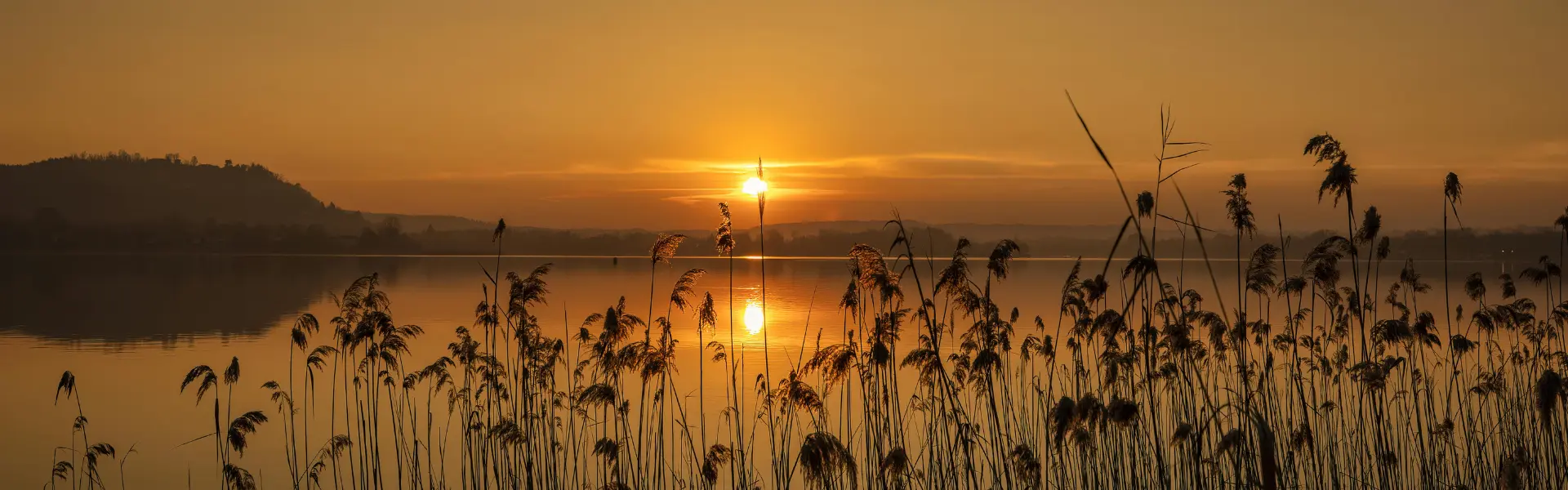
Nature’s daily masterpiece is free.
When the afternoon safari ends, the locals don’t head indoors, they head to the riverbank. Find a spot on the sandy shores in Sauraha, maybe with a local chai in hand. Watch the sky melt into oranges and purples, reflecting off the water as elephants bathe downstream and birds fly home to roost. It’s a simple, profound moment that defines the Chitwan vibe.
Bis Hazari Tal (The 20,000 Lakes)
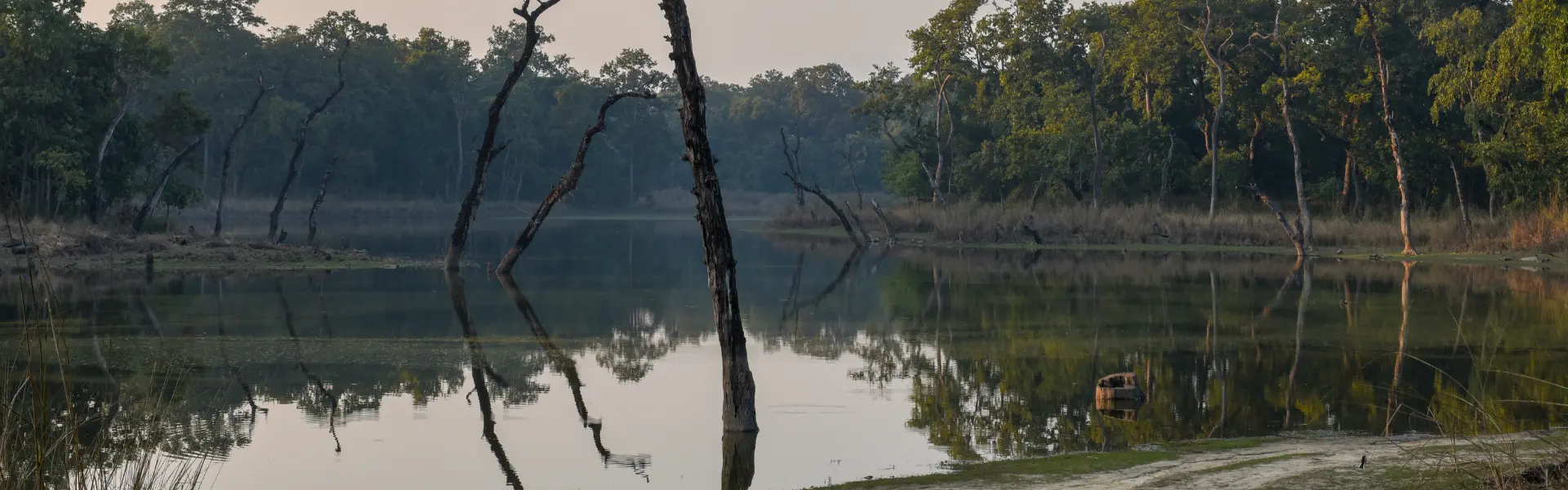
A wetland wonderland for bird nerds.
Translated as “Twenty Thousand Lakes,” this intricate network of oxbow lakes and wetlands is a UNESCO Ramsar site. Explore by canoe or on foot with a guide to spot rare wetland birds, including the elusive Bengal florican. You can see a completely different, watery ecosystem that complements the deep jungle.
A Tharu Village Visit
The original custodians of this land.
The Tharu people have lived in harmony with this forest for centuries. Visit a village like Sauraha or Bachhauli to see their beautifully painted mud homes, learn about their unique culture, and perhaps even try your hand at traditional stick dancing. It’s a heartfelt human connection to this ancient landscape.
Final Checklist
As the dusk settles over the Rapti River, painting the sky in streaks of violet and gold, and the distant call of a animals echoes the end of another day in the wild. You realize a journey to Chitwan National Park is far more than a checklist of sightings. It is a profound reconnection with a symphony composed of the rustling forest, the thrilled silence of a canoe glide, the ancient gaze of a rhino, and the warm smiles of the Tharu people. This is not just a park you visit; it’s a living, breathing story you step into, a reminder that we are part of a world vastly older and wonderfully wilder.
You came for the legendary jungle safari, but you will leave with the whispers of the forest in your heart. The delicate morning mist on the grasslands, the profound respect for a landscape that safeguards giants, and the indelible understanding that true adventure lies not just in seeking wildlife, but in embracing the entire ecosystem.
So, as you pack your memories alongside your neutral-colored khakis, carry forward the spirit of a responsible traveler. Share your stories, advocate for these wild spaces, and let the call of Chitwan inspire you to listen more deeply to the natural world. Your adventure may be concluding, but for the rhinoceros in the tall grass, the gharial on the riverbank, the story continues. Isn't it a story worth protecting?